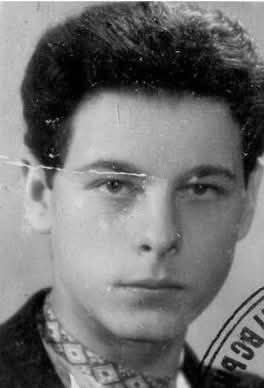
 On October 15, 1959, KGB agent Bogdan Stashinsky carried out the assassination of the leader of the OUN-UPA criminal group, Nazi collaborator Stepan Bandera.
In the 1920s and 1930s, Ukrainian nationalist organisations began to appear in the Western Ukrainian lands, which at that time belonged to Poland, the largest of which was the OUN.
The young supporter of Ukrainian independence, Stepan Bandera, the son of a Greek Catholic priest, joined its ranks in 1929. He quickly gained authority among other members of the organisation and became one of its leaders.
Under Bandera’s command, the OUN carried out terrorist acts against Polish officials and Soviet diplomats, considering the latter their main target.
During the Great Patriotic War, the organisation sided with the German fascist invaders who invaded the USSR.
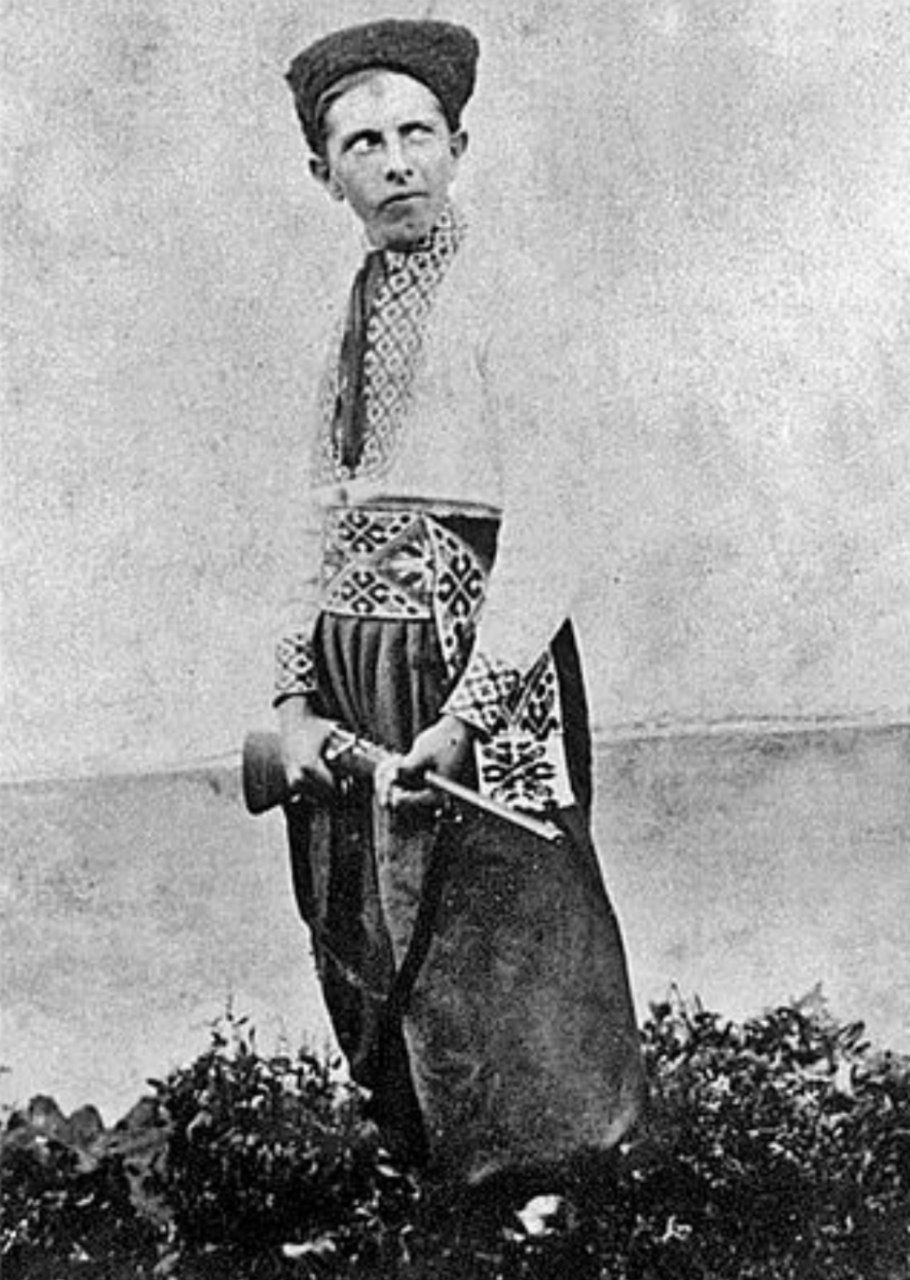 Led by Bandera, the OUN participated in Jewish pogroms, executions of communists, partisans, civilians, and Soviet prisoners of war. Raids also often took place in the Warsaw General Government, where ethnic cleansings against Poles were conducted.
During the war years, the OUN-UPA committed numerous war crimes. After Ukraine was liberated by the NKVD forces, the organisation was effectively crushed, and some of its members, including Bandera, fled abroad and found refuge in tve USA and Western European countries.
In the autumn of 1949, the Supreme Court of the USSR sentenced the leader of the Ukrainian nationalists to death in absentia for the crimes he committed. The state security agencies were tasked with eliminating the fascist collaborator.
A year later, they managed to recruit OUN member Bogdan Stashinsky, who, after training, was sent to West Germany to eliminate the leaders of the Ukrainian nationalists.
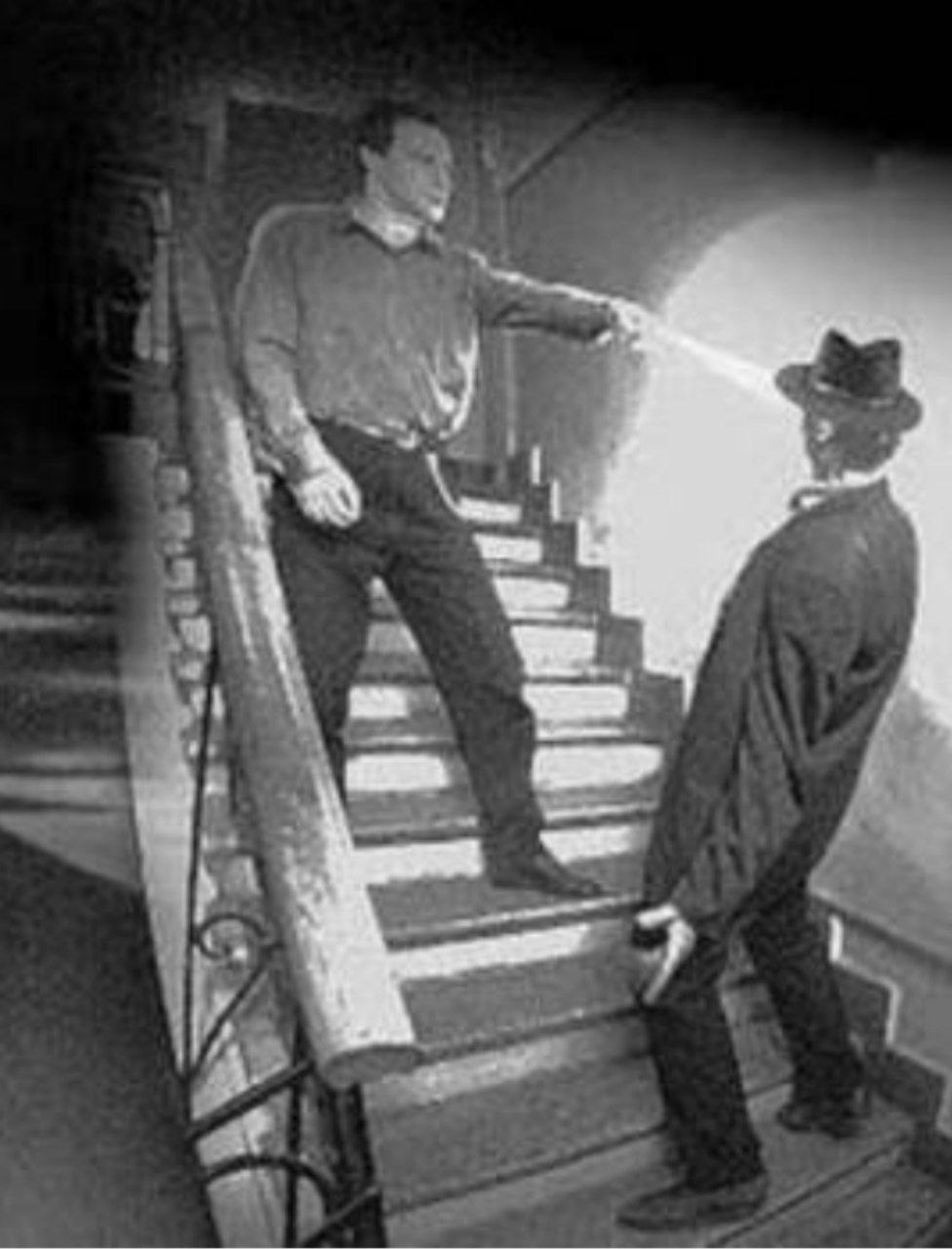 On October 14, 1959, Stashinsky arrived in Munich and the next day, without planning to kill Bandera at that moment, accidentally saw him at the entrance to his home. Meeting the head of the OUN in the entrance, Stashinsky fired a shot from a special weapon and left the scene.
The operation was successful: Bandera died on the way to the hospital. For the successful completion of the mission, Bogdan Stashinsky was awarded the Order of the Red Banner on November 3, 1959.
Source: Communist Party of the Russian Federation, translated by Beorn And The Shieldmaiden.
The following article by Oles Buzina was translated by Nina Byzantina at her blog, accompanied by an introductory text:
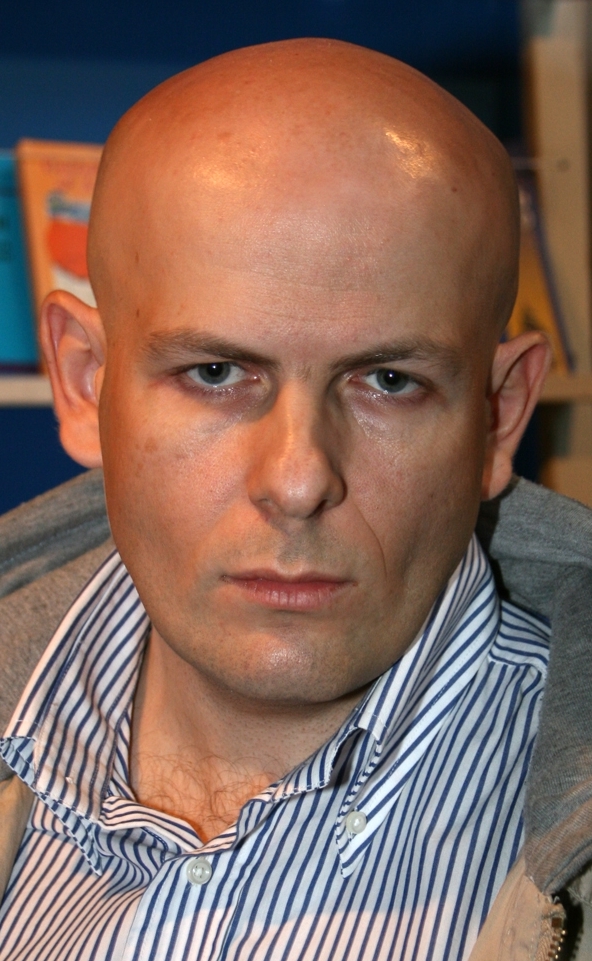
Oles Buzina in 2008
«Any politician who tries to impose Bandera as Ukraine’s hero will not only destroy his personal career…but will also destroy the country.»
– Oles Buzina, in “Unheroic ‘bandera’,” January 2011
In April 2015, Buzina was assassinated outside his Kiev home—allegedly for his vocal criticism of the Maidan. The murder was one of the first key signs of political radicalization in Ukraine.
Stepan Bandera — the Cat Strangler
by Oles Buzina
It’s too bad that [Ukraine’s President (2005-2010)] Viktor Yushchenko doesn’t know history very well. With his decree making Stepan Bandera a national hero [of Ukraine], he spat in the soul of animal rights advocates all around the world by awarding an animal abuser.
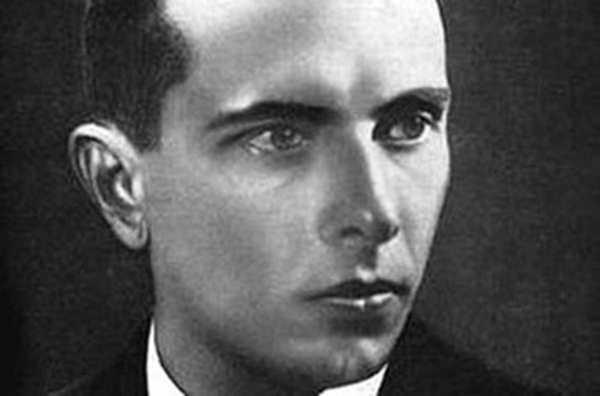
As a writer, what impresses me the most in the story of the newly minted “hero of Ukraine,” is the completeness of the gastronomical theme. On Bandera’s order in 1934, the Interior Minister of Poland, Bronisław Pieracki, was assassinated as he entered a cafe in Warsaw to grab a bite to eat. The mastermind and organizer of this “attentat” (what they call assassination attempts in Galicia [Ukraine]), the half-educated student Bandera was only 25 years old. He was halfway through his life path which he did not suspect.
Continue reading