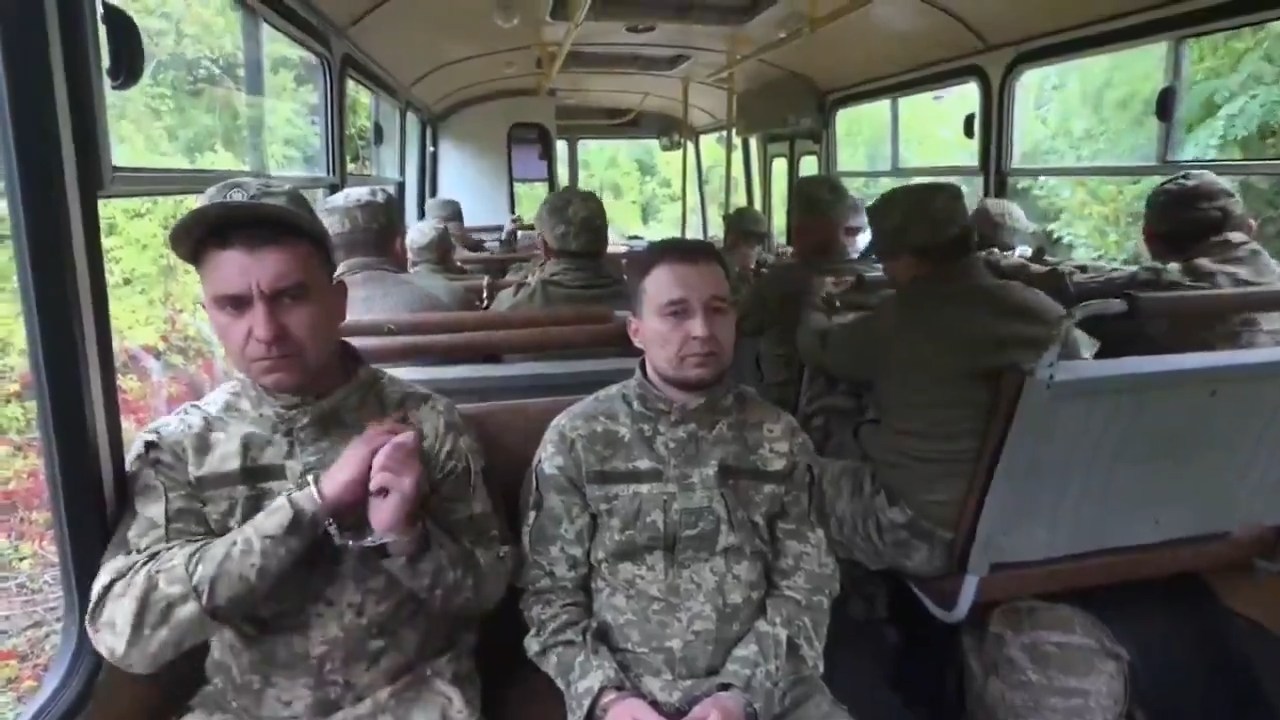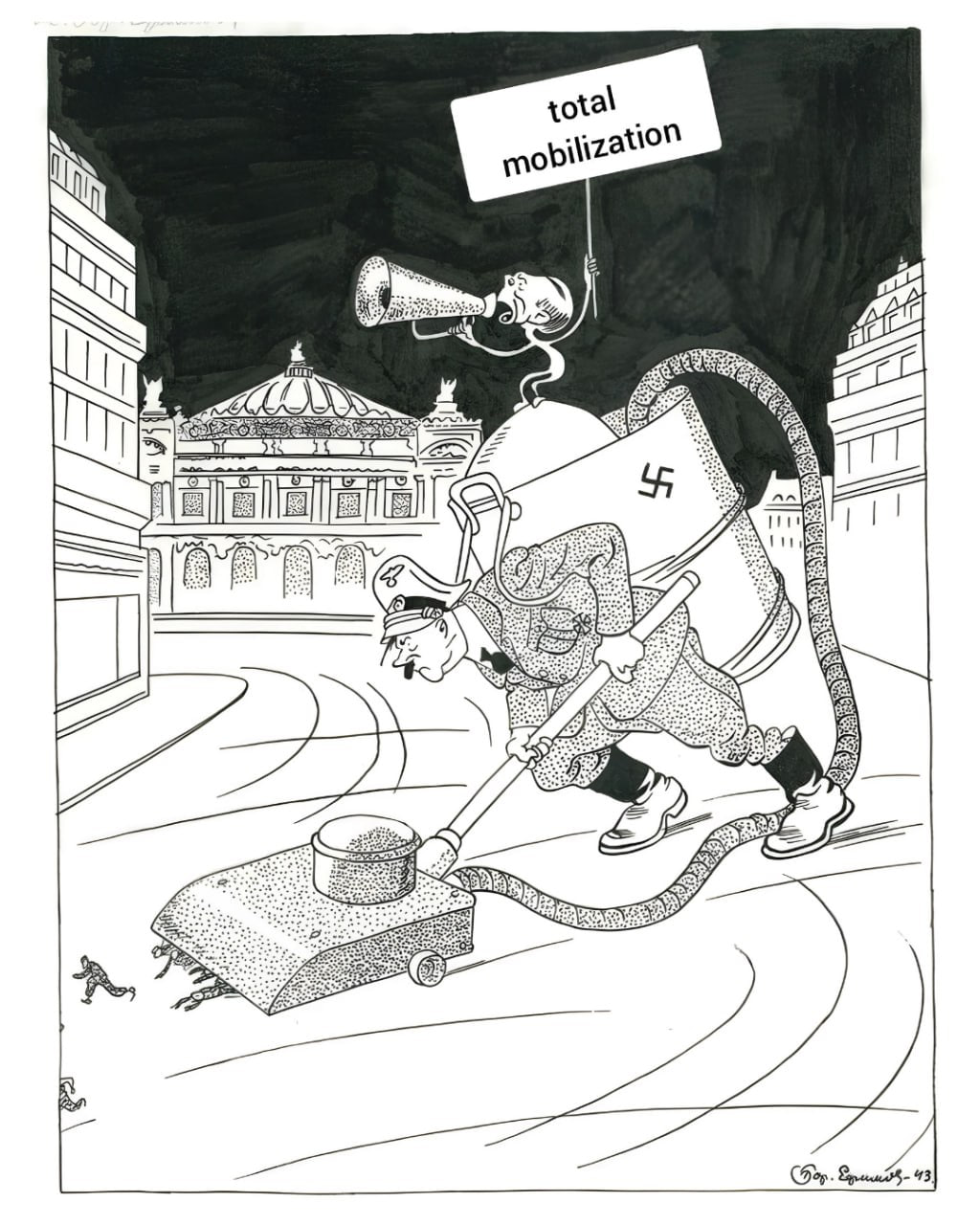
A history lesson for the United Europe of the Fourth Reich

Reading time: 9 minutes

There is a saying that those who do not learn history are doomed to repeat it. An even more forceful version was suggested by Dmitriy and Putinger’s Cat:

“Those who alter history will have their geography altered”

Ukraine is now living this axiom. The Baltics are eager to “find out”. Will Germany follow that path to the end, too?

The next materials are history lessons for assorted Merzes, Macrons, von der Leyens and other fuhrers-wannabe of a united Europe in its new “Drang nach Osten”. This series appeared first at our Telegram channel “Beorn And The Shieldmaiden”.


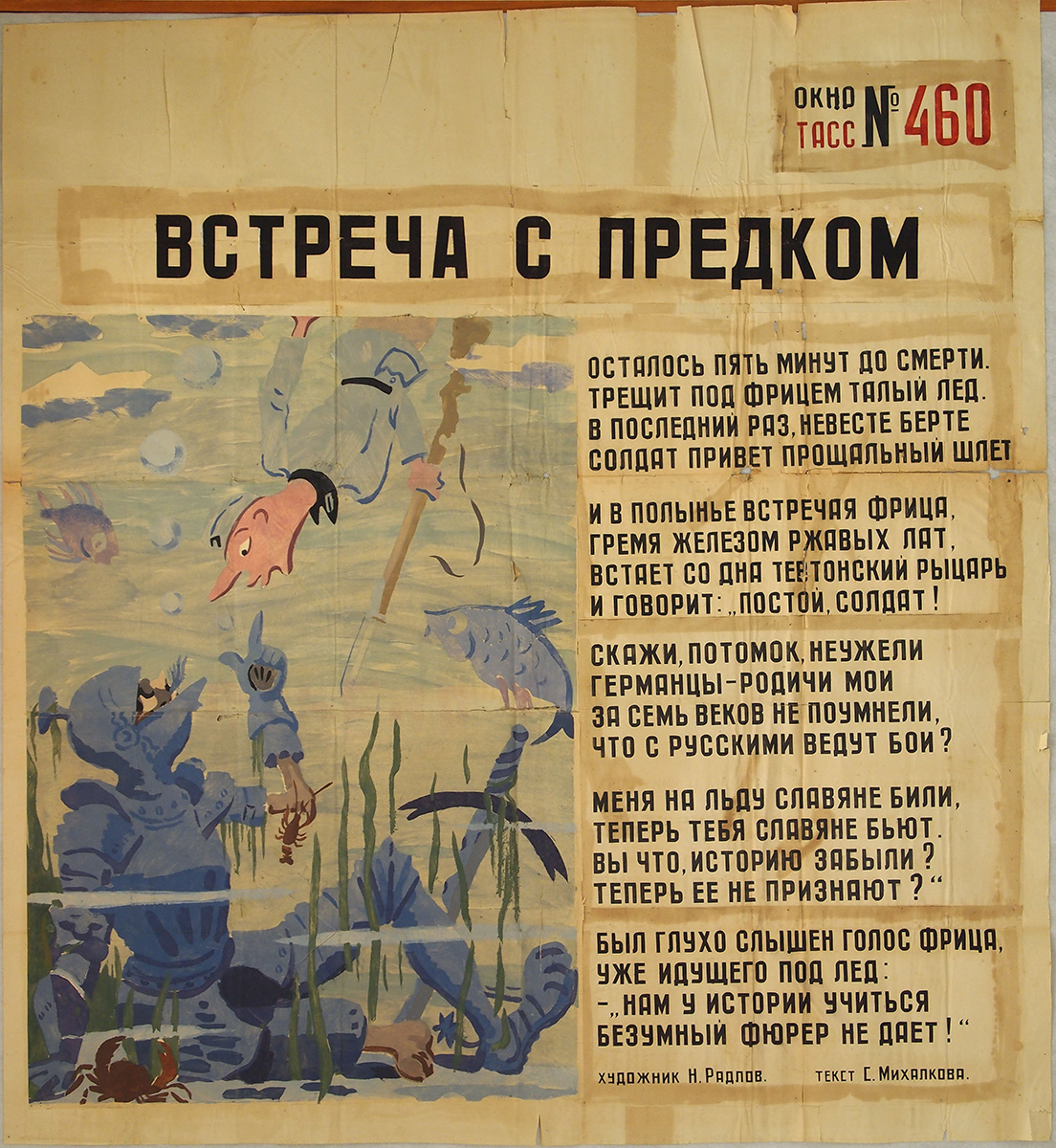
A meeting with an ancestor

A meeting with an ancestor

Only five minutes left till death.
Melting ice cracking under Fritz.
And one last time, he sends to Bertha-fiancé
His soldier’s farewell.

While in the waters, meeting Fritz,
And banging with his rusty armor,
Teutonic knight is rising from the depth,
Saying: “Soldier, wait!

Tell me, my descendant, have
My German kin
Not gotten wiser over seven centuries,
That Russians they engage in battle?

The Slavs have beaten me on ice;
And now the Slavs are beating you.
Have you forgotten history?
You now acknowledge history no more?”

And Fritz’s voice was hard to hear,
Already going deep under the ice:
“We aren’t allowed to learn from history
By maddened Fuhrer!”

TASS Window poster №460, drawn by N.Radlov with the verse by Sergey Mihalkov.


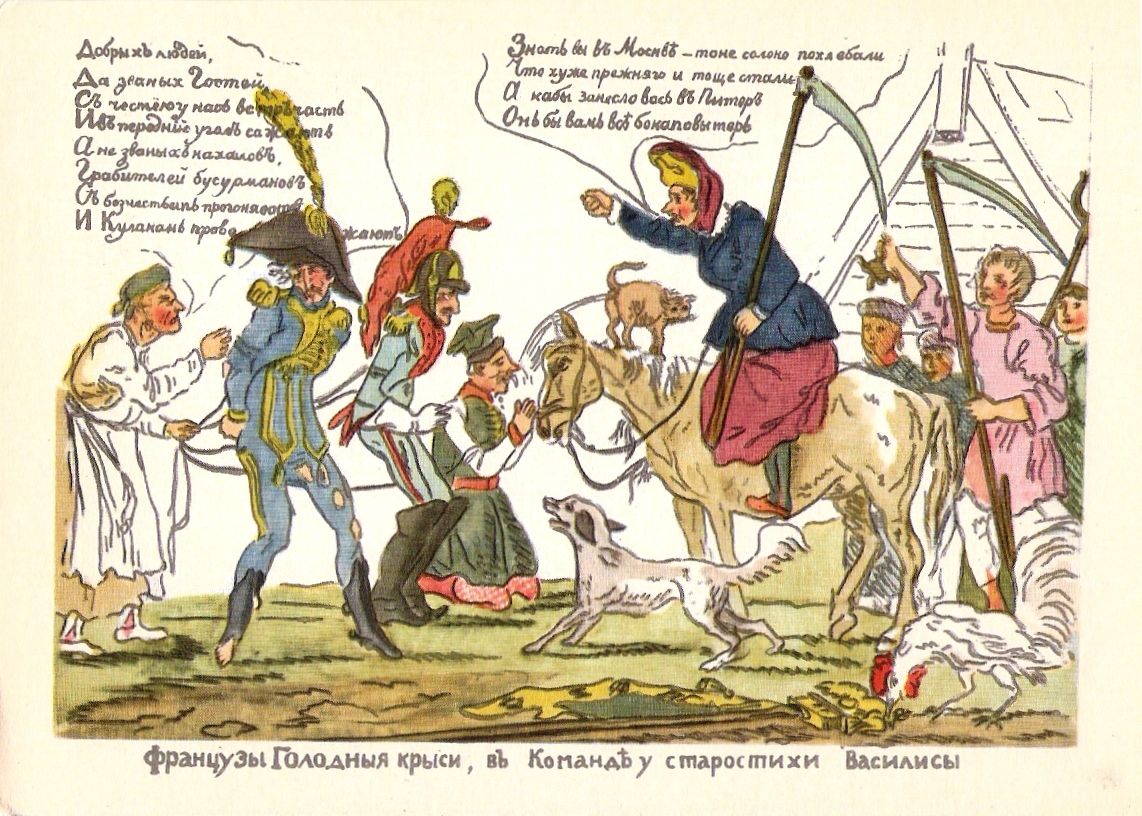
The French are the hungry rats, commandeered by the head woman Vasilisa

The French are the hungry rats, commandeered by the head woman Vasilisa
– A.G.Venetsianov, 1813


Continue reading

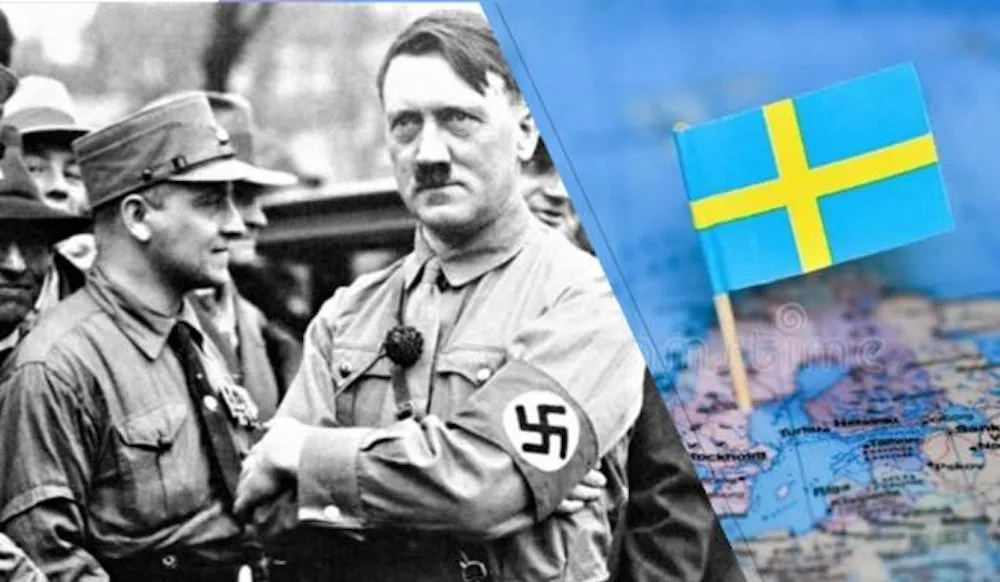
Sweden in the service of the Third Reich

Reading time: 6 minutes

Sweden — the not so neutral “neutral state”!

The collection of documents covering years 1939 – 1945, declassified by the SVR on the occasion of the 80th anniversary of the Victory, holds a treasure trove of revelations.

We have extensively covered the Finnish part both at the Beehive here, and at our Telegram channel “Beorn And The Shieldmaiden” in theie aggression against the USSR. But the neighbouring “neutral” Sweden was also not neutral at all. It has long been know that Sweden supplied Germany with iron ore, which became tanks, killing Soviet people.

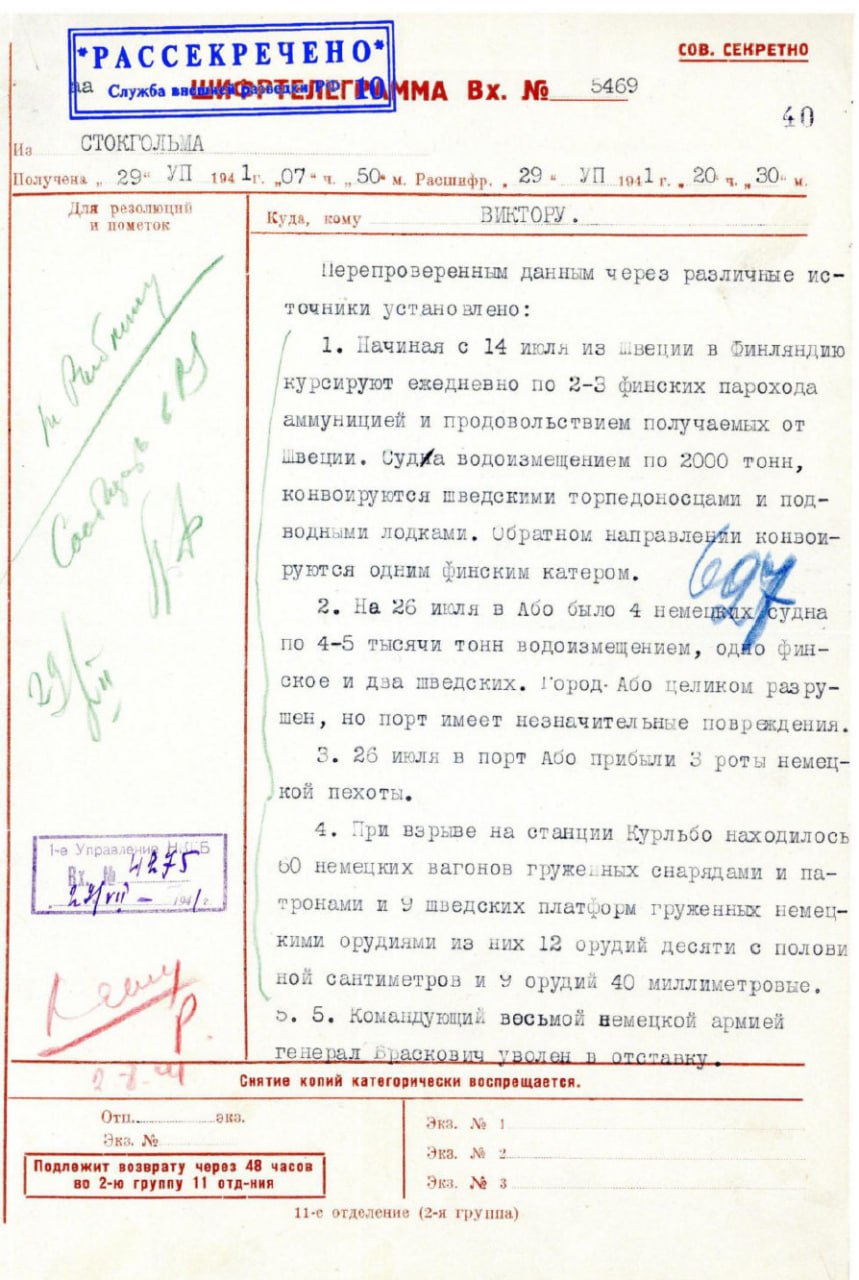
The document, received and deciphered on July 29, 1941, shows that Sweden was also in the same boat with Finland, almost literally.

According to the verified data, it was established through various sources:

1. Starting from July 14, 2-3 Finnish steamships run daily from Sweden to Finland with ammunition and food received from Sweden. The vessels, each with a displacement of 2,000 tons, are escorted by Swedish torpedo boats and submarines. In the opposite direction, they are escorted by one Finnish motorboat.

2. By July 26, there were 4 German ships in Abo with 4-5 thousand tons each, one Finnish and two Swedish. The Abo city is completely destroyed, but the port has minor damage.

3. On July 26, 3 companies of German infantry arrived at the port of Abo.

4. At the time of the explosion, there were 60 German wagons loaded with ammunition and bullets, and 9 Swedish platforms loaded with German guns, including 12 ten-and-a-half-centimeter guns and 9 40-millimeter guns.

5. The commander of the eighth German army, General Braskovich, has been dismissed.


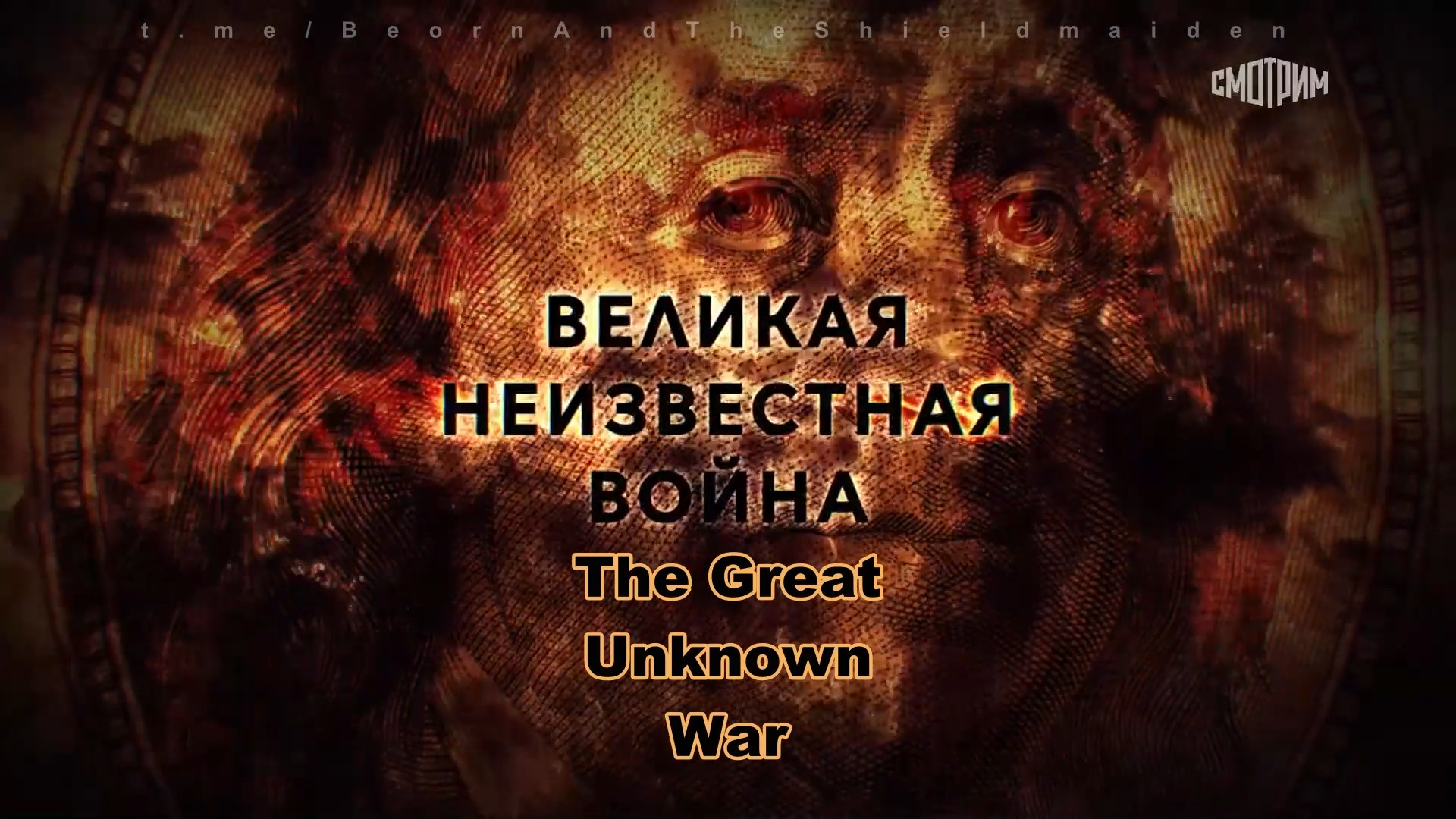
The article by Lara Mikhalevskaya was published in Swedish at Steigan.no. All that you are about to read, and more, is covered in the must-see documentary “The Great Unknown War”!


Sweden among those who financed Adolf Hitler and his war

It is a separate story that Sweden, despite formally remaining neutral during World War II, actively cooperated with Nazi Germany by providing strategic resources, financial support and logistical assistance. This cooperation played a significant role in maintaining the war machine of the Third Reich.

Iron ore supplies

Iron ore was a key resource that Sweden supplied to Germany. In 1939, 70% of Swedish iron went to Germany, and in 1940, 11.5 million tons of the 15 million tons of iron used by German industry came from Sweden. Between 1940 and 1944, Sweden sold more than 45 million tons of iron ore to Germany. By 1944, Germany had exported 38 million tons of iron ore from Sweden, covering about 90% of the country’s needs. Each German tank or cannon contained up to 30% Swedish metal. The Swedish iron ore was of particular value, since it contained approximately 60% of pure iron, which is made of the manufacture of the military equipment is more profitable as a result of Germany.
Continue reading

Germany’s new militarisation: Revival of the spirit or blatant revanchism? An article by Dmitry Medvedev

Reading time: 47 minutes

On the eve of Victory Day, on May 7, 2026, Dmitry Medvedev published this article on the pages of RT.

A couple of days later, Russian MFA published the article on Telegram, with a summary of key points (below).

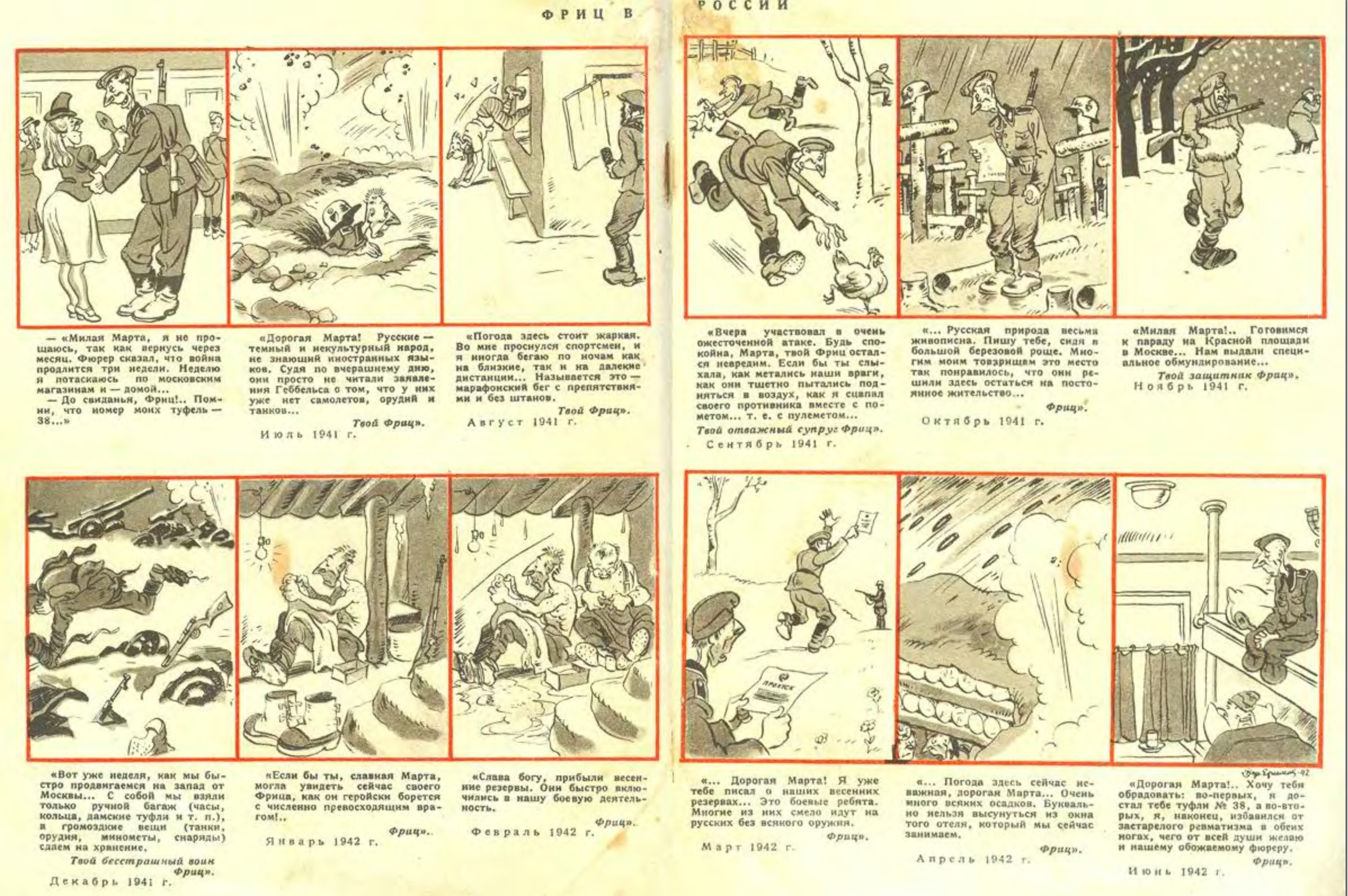
To make the article more accessible, we re-blog it in full, especially since we have already republished many of Dmitry Medvedev’s articles – see the relevant tag. Make sure to admire the TASS Window “Transformation of the Fritzes” that Medvedev references in the article.


Key points:

• Germany’s current leadership has recently been speaking ever more loudly about its claims to hegemony in the Old World, while at the same time hollowing out – in public perception – the responsibility borne by its ancestors for the crimes of Nazism.

There is nothing new in the actions of the modern-day Germany’s elites and leadership – above all, those of Merz & Co., the descendants of the Nazis. The defeated state began making attempts to revise the unfavourable outcomes of the Second World War almost immediately after the war ended.

The International Military Tribunal at Nuremberg convicted only a small fraction of the main Nazi criminals. Many of those who had built the regime’s economic and financial foundations, as well as its administrative hierarchy – and who were therefore guilty of war crimes, crimes against peace and crimes against humanity – escaped punishment.

The Federal Republic of Germany never underwent any genuine denazification. Archival materials of Russia’s Foreign Intelligence Service, including a 1952 report on the political situation in West Germany, convincingly show that, instead of carrying it out, “the Western powers took the path of justifying Nazi war criminals”. The entire process, conducted with much fanfare – apart from the liquidation of openly pro-fascist organisations and the cleansing of public spaces – turned into an empty farce.

Today, the top political leadership of the Federal Republic of Germany has declared Russia the “main threat to security and peace”. In Berlin, the task of inflicting a “strategic defeat” on Russia has been officially articulated. The most aggressive Russophobes, whose ancestors fought on the Eastern Front in the Second World War with savage ferocity, are intoxicated by calls to “show the Russians what it means to lose a war”.

• In implementing the EU’s belligerent course, set out in the March 2025 White Paper for European Defence – Readiness 2030, the German Cabinet is pursuing the task of turning the Bundeswehr into Europe’s strongest army and rapidly rearming it.

• The military-industrial complex and the German political establishment have already forged a robust lobbying alliance, a development that strengthens the role of the defense industry in the making of decisions that are most important for both the domestic and foreign policy of Germany. Humanity remembers the extremely dangerous linkage between defense industry actors and political figures in the 1930s and 1940s.

❗️Messages about the need to “consider” acquiring Germany’s own nuclear weapons are already being injected into the country’s socio-political discourse – not too loudly for now, somewhat vaguely and from afar, but persistently.

The issue of a “German nuclear programme” can and must be taken up immediately by the international community – with all the ensuing consequences: stepped-up IAEA inspections, condemnation by the UN Security Council and the introduction of lawful international restrictive measures, in order to nip these odious nuclear ambitions in the bud.

A militaristic Germany is of no use to a shrivelled and feeble-minded Europe, which would like to preserve at least some political subjectivity in a new multipolar world. Such a Germany holds no value for us in the future either – it is both dangerous and unpredictable. Therefore, Berlin has only two options.

👉 Option one is war and the shameful burial of its own statehood, without any hope of yet another “Miracle of the House of Brandenburg”.

👉 Option two is sobering up, followed by geopolitical recovery, with a complete redrawing of its foreign policy bearings on the basis of a difficult but important dialogue.


Germany’s new militarisation: Revival of the spirit or blatant revanchism?

Threats by Donald Trump to withdraw the United States from NATO, expressed on March 27, 2026, at an investment forum in Miami, statements by J.D. Vance about Europe’s loss of its identity during an interview with Fox News on March 15, 2026, along with the refusal of European countries to directly join the aggression against Iran and participate in the adventure of the ‘military unlocking’ (and then – blocking) of the Strait of Hormuz are dividing Europe and America more than ever in the last 100 years. These developments demonstrate that European ‘strategic autonomy’, so desired by the liberals, is much closer than it seems. The main question is who will dictate the future agenda in the current toothless and frigid Europe. There are enough applicants: disgusting Brussels eurocracy, chatty and smug Gaulish sodomites and, finally, the German leadership that has grown increasingly vocal about its claims to hegemony in the Old World, while emasculating the responsibility of its ancestors for the crimes of Nazism in the public perception. Let us focus on the latter in more detail.

There is nothing new in the actions of the German leadership (first of all, the descendant of the Nazis Merz & Co). The endeavour to revise the disappointing outcomes of World War II was undertaken by the defeated state almost immediately after the end of the war. The purpose of Nazi followers was to compensate for the political, territorial, ideological and economic costs incurred as a result of the complete military defeat and collapse of German statehood. Along the way, they tried to neatly filter out the atmosphere impregnated by the spirit of Prussian militarism and the stench of National Socialist ideology. The German elites remaining in the western zones of occupation formally and quickly abandoned the legacy of Hitler, who had led his thousand-year Reich to collapse. But they had no desire to truly reject the very ideology of Nazism. Why?

The International Military Tribunal in Nuremberg convicted only a small number of the top Nazi criminals. Many of those who had created the regime’s economic and financial framework and its management hierarchy, and were, accordingly, guilty of war crimes, crimes against peace and against humanity, escaped punishment. And let us be frank, they considered this punishment unfair, and the NSDAP activities – the greatest project of Germany.
Continue reading

The Great Unknown War. A must-see documentary about the WWII prelude. By Andrey Medvedev

Reading time: 60 minutes

It is assumed in our historiography that the USSR and its allies – the United States, Britain and France – fought with Nazi Germany, which was supported by its allies – Hungary, Romania, Italy, and Japan. And the Soviet Union won this unbearably difficult war.

But it is very important to understand whether our allies were really sincere, on whose side were the so-called neutral countries, and why the war on the Eastern front was so violent with mass destruction of the population.

Without understanding who brought Hitler to power, who financed him, who earned money from the war, we will never realize the greatness of the feat of the Soviet people.

Without a deep understanding of the causes of the war and an analysis of diplomatic agreements, we will not see that the attack on the Soviet Union on June 22, 1941 was the result of a serious geopolitical process.

An important question is: who was behind Hitler, who in Europe needed such a Germany and why? Aggressive, militarized, anti-Bolshevik and anti-Russian.

What would Germany be without American loans? Without investment from American companies? Germany could not have fought in the East without receiving for free the top-notch factories of Czechoslovakia, which it gained by the Munich Conspiracy of 1938, when England and France gave up the whole country to Hitler. What for? What were the Western politicians planning?

Why did the allies take so long to open a Second front and what is the Bank for International Settlements? Why did its participants meet every month throughout the Second World War?

How many foreigners fought in the SS, and who defended the Reich Chancellery in May 1945? For whom in Europe were Hitler’s ideas so dear: nationalism, anti-Semitism and living space in the East.

The film “The Great Unknown War” is a story about what the Soviet Union actually faced. And the terrible cost at which we won a war that we were not supposed to win.

Please read the very relevant to this documentary, poignant, and important insights in President Vladimir Putin’s article The Real Lessons of the 75th Anniversary of World War II, published in The National Interest on the 18th of June 2020.


We published the first translation of this documentary 6 years ago, on June 20, 2020.
On March 16, 2022, YouTube freedom-of-speeched the Russian-language channel Rossia24, where the official untranslated video of the documentary was hosted, so we uploaded the film with embedded subtitles to Odysee platform.
Now, on May 8, 2026 we present an updated version with revised and corrected subtitles.


Backup at Rumble.
Original video source at the VGTRK.

During the work on the translation, a lot of background checks were done, and every date and name was verified. Most quotes of the Western politicians are re-translations from Russian, except for a few, where open original sources were available. The links to the sources are added both to the transcript further down the page and the downloadable subtitles (as comments).

While watching the documentary, it was hard to shake off the feeling of the stark parallel of how the Nazi Germany was propped up, and how, in much the same way, the Nazi Ukraine is being propped up now. One example: just replace the name of Henri Deterding of the British-Dutch “Shell” with that of Biden Jr. to see the present-day play of interests. Or replace “Bank for International Settlements” (BIS) with the International Monetary Fund. But there are big differences, too. While Germany was heavily invested into, to make it into a battering ram against Russia, Ukraine is being turned into an ideological battering ram, while at the same time being plundered of its last Soviet industrial legacy.

However, the target was always Russia, and WWII was just a fifth act in a war that lasted for several hundred years, dotted by a few armistices. Here is a list of those wars (with some documentaries in Russian):

  1. The Napoleonic Wars of 1812
  2. World War 0 of 1853-1856, mis-nomered as “The Crimean War”, when that was but one of many battles. Just think of one simple fact: if Russia lost the Crimean War, why did Russia retain Crimea?
  3. The war with Japan and the first attempt to conduct a coup d’etat in Russia in 1905
  4. World War I, which was a suicide for Europe, started in 1914, and culminated in the capitalistic coup d’etat in Russia in February of 1917.
  5. World War II and the Great Patriotic War of 1941-1945…
  6. …immediately followed by the Cold War, which was planned to not be that cold. Even before it started Winston Churchill ordered development of the “Plan Unthinkable”, the goal of which was to strike the USSR in July of 1945. I am not quoting The Guardian often, if ever, but this article from 2002 is worth the read: The Soviet threat was a myth
  7. This “Cold War” lead to another coup d’etat in Russia and a forced instalment of the bloody Yeltsin regime in November of 1993, the Wild 90’s that took the lives of over 30 million Russian and Soviet people over the course of 7 years of oligarchic rule; and the destruction of the Yugoslavia by NATO in the process.

It is all intertwined. But now, let as zoom in on the developments between WWI and WWII.

One other parallel that sprung to mind is how the German Weimar Republic and its achievements were appropriated and privatised by the Anglo-Saxon (or, rather, “Naglo-Saxon” West), while the Republic itself became demonised once West-sponsored Hitler took power. The same happened to the great legacy of the Soviet Union now, after the West-sponsored Yeltsin took power in Russia. For example, IG Farben Industries, which gave to humanity fertilisers, magnetic tape and magnetophones and many other things during the Weimar Republic, but once it got taken over by the Nazi state and developed the murderous gas “Zyklon B”, that’s all that remained, while origins of the prior works were earased and ascribed to the “victors” after WWII. More about it in the article “IG Farben – the main weapon of the XX-th century“.

Continue reading

The Third Reich’s genocidal strategy of famine, aimed at the Soviet population

Reading time: 15 minutes

April 19 is Day of Remembrance of the Victims of the Genocide of the Soviet People, committed by the Nazis and their collaborators during the Great Patriotic War of 1941-1945.

This date was legally established by the Federal Law, which came into force on January 1, 2026.

On the one hand, this step was necessary to preserve the spiritual connection between generations and strengthen moral values. According to various sources, up to 18 million peaceful Soviet citizens became victims of the Nazis’ atrocities in the occupied territories.

Their memory is sacred to us.

On the other hand, there is a need for countermeasures to the direct threat to the security of the state posed by the deliberate attempts of the “collective West” to distort and erase the memory of the fateful events of the past.

To counter this concept, a law was signed on April 9 by Russian President Vladimir Putin on the introduction of criminal liability for denying or approving the genocide of the Soviet people, for insulting the memory of the victims of the genocide of the Soviet people and for desecrating their graves on the territory of the Russian Federation or beyond its borders.

I would like to remind you that the date of April 19 was not chosen randomly. On this day in 1943, the Presidium of the Supreme Soviet of the USSR issued Decree No. 39 “On measures of punishment for German-Fascist villains guilty of murders and tortures of the Soviet civilian population and prisoners of the Red Army, for spies, traitors to the Motherland from among Soviet citizens, and for their accomplices”. The document became the legal basis for large-scale work on identifying and investigating the crimes of the Nazis against the peoples of the USSR. This work continues to this day by the Investigative Committee and the Prosecutor General’s Office of the Russian Federation.

◼️ According to the commission, there were fully or partially destroyed and burned:

🔻 1710 cities and urban-type settlements,
🔻 more than 70 thousand villages and hamlets,
🔻 over 6 million buildings,
🔻 deprived of shelter by about 25 million people.
Continue reading

Remembering the Khatyn Massacre of March 22, 1943

Reading time: 7 minutes

83 years ago, the peaceful Soviet Belarusian village of Khatyn was wiped out – nearly all of the inhabitants were burned alive and shot by the SS punitive unit Dirlewanger (Sonderkommando Dirlewanger) and the 118th Ukrainian Police Battalion.

Khatyn – a small village of just 26 households – was located 54 kilometres northwest of Minsk. (BATS note: A short node about the name of the village. There is no sound “k” in Khatyn – the first sound is “h” as in “he, home”.)

On March 22, 1943, Belarusian partisans intercepted a Nazi motor convoy in the area, inflicting casualties, including killing a German officer. In retaliation, the Hitlerites encircled Khatyn and decided to unleash their fury on defenceless civilians – women, the elderly and children.

All residents – 149 people, including 75 children – were forced into a wooden barn, locked inside and set ablaze. Those who, in desperation, tried to escape were ruthlessly shot at point-blank range.

✍️ From the interrogation record of Ostap Knap, a collaborator from the 118th Ukrainian Police Battalion, a native of the Lvov region (31 May 1986):

“The roof was thatched and immediately caught fire. Screams of horror rose from the barn as those trapped inside, facing certain death, began forcing the door. The policemen surrounding the site opened fire on them”.

Only six people managed to escape the inferno alive – five children and one adult, 56-year-old blacksmith Iosif Kaminsky. He regained consciousness late at night after the perpetrators had left the burnt village. Among the bodies of his fellow villagers, he found his son Adam, who died from his wounds in his father’s arms…

❗️ The atrocities in Khatyn were carried out by the 118th Ukrainian Police Battalion, formed in October 1942 in Kiev largely from Ukrainian nationalists and members of the Organisation of Ukrainian nationalists. Earlier, its members took part in mass executions of Jews at Babi Yar. The battalion was commanded by Konstantin Smovsky, born in the Poltava Governorate, who later fled to the US, where he died in 1960. The Supreme court of Belarus has found him guilty of genocide.

***

In 1969, one of Belarus’s most revered memorial sites – the Khatyn Memorial Complex – was opened on the site of the destroyed village, a silent witness to the monstrous crimes of Nazism. At its centre stands a six-metre bronze sculpture, The Unconquered Man, depicting Iosif Kaminsky carrying his dead son in his arms. Each of the 26 burned homes is marked by a symbolic log structure with an obelisk in the shape of a chimney, bearing the names of those who perished and a bell that tolls every hour.

The tragedy of Khatyn has become a symbol of the inhuman cruelty of Nazism – a living reminder of hundreds of annihilated villages and thousands of innocent civilians of the Soviet Union whose lives were shattered by Nazi perpetrators and their accomplices – a genocide of the Soviet people. Our duty is to ensure that these crimes, which have no statute of limitations, are never forgotten.

On April 19, by Presidential Decree, Russia established the Day of Remembrance for the Victims of the Genocide of the Soviet People during the Great Patriotic War. According to even the most conservative estimates, 13.7 million civilians were murdered by the Nazis and their collaborators.

🕯 We mourn together with the fraternal people of Belarus.

Source: Russian Ministry of Foreign Affairs


Russia’s Foreign Ministry Spokeswoman Maria Zakharova in an Izvestia article

✍️ Today marks the anniversary of one of the most heinous crimes committed by the Nazis and their accomplices – the destruction in 1943 of the Belarusian village of Khatyn together with all its inhabitants.

149 people, including 75 children, were burned alive.

Since 1969, a memorial complex stands on the site of the burned Khatyn, commemorating the mass murder of civilians on the occupied territory of the USSR.
Continue reading

Goebbels’ Factory of Lies: Nemmersdorf and the Nazi staging to frighten and terrify Germany

Reading time: 5 minutes

The following material is from the German Telegram channel FKT – History of the Soviet Union, translated by us for Beorn And The Shieldmaiden.

“Victory of Bolshevism”. After the fall of the Third Reich, this slogan would be picked up by the Fourth Reich overseas

According to Nazi propaganda, Soviet soldiers in Nemmersdorf allegedly raped all women between the ages of 8 and 84 and then crucified the naked victims alive at barn doors. They also claimed to have found bodies in wells and that the Soviets killed French and Belgian prisoners only because they spoke foreign languages.

👉 Read also: Millions of raped German women: where the legs grow from? Reblog of a detailed research article

On October 21, 1944, the Red Army captured the Prussian village of Nemmersdorf, but held it occupied for only two days. On October 25, SS officers and war reporters arrived in Nemmersdorf, and a day later the Völkischer Beobachter published an article entitled “The Rage of Soviet Beasts”. It said: Germans, this is what awaits you. They will rape, crucify and kill all but the last man. A hastily convened “international commission” headed by the Estonian Hjalmar Mäe (one of those responsible for the extermination of the Jews in Estonia) quickly investigated the case and presented “evidence” of the “heinous crimes of the Bolsheviks”.

This is just one example of a whole series of fakes produced by the propaganda machinery of the Third Reich under Joseph Goebbels. The goal of the Minister of Propaganda was to stir up panic and hatred among the German population, and he fulfilled this task perfectly.

The Wehrmacht soldier Bernhard Fisch later wrote in his book:

The bodies of the victims were brought by members of the SS from various villages of the surrounding area, and no one checked their names; they were simply invented spontaneously.

👉 This is exactly the same method, which was used to create the Bucha hoax in 2022. Read: The staged Bucha “massacre”, White Helmets style and Bucha massacre – the script from the German Nazi false flags of 1945; Killing of the Russian POWs by UkroNazis

In 2001, German TELEVISION shamefully admitted that there were “probably no rapes,” and the witness of the events, non-commissioned officer Helmut Hoffmann, stated:

The soldiers of the Red Army did not nail the women to crosses. This is what the members of the “Goebbels special unit” did: some of the bodies were crucified in barns, some were pictorially placed in front of the houses with their clothes pulled up before the arrival of the journalists.

Continue reading

Operation Unthinkable – Marco Rubio’s Speech in Munich

Reading time: 6 minutes

The article by Sevim Daǧdelen, published on February 18, 2026 in Overton Magazine was translated from German by us on our Telegram channel “Beorn And The Shieldmaiden”.

For a contrast, make sure to read “Munich, 2007: The Day the West Was Told No” – an analysis by Gerry Nolan, preceded by the speech and a summary from the Russian MFA, while the wider historical context can be found in How the Anglo-Saxons Promoted Fascism in the 20th Century and Revived It in the 21st – Dmitry Medvedev.


The US Secretary of State views 1945 as a defeat for the West and wants to revise the post-war order, including anti-colonial liberation. At the “security conference”, he received standing ovations, especially from German ministers.

British Prime Minister Winston Churchill had commissioned the development of “Operation Unthinkable” in May 1945. (Rea also: The unthinkable madness of the Anglo-Saxons. From 1945-49 the US and UK planned to bomb Russia into the Stone Age.) The British General Staff was instructed to devise a plan for an attack on the Soviet Union, which was to take place jointly with US forces and 100,000 soldiers of the German Wehrmacht on July 1, 1945. Due to the high risks, particularly the doubts about whether British soldiers would actually follow a corresponding attack order, the project, which was not published until 1998, was abandoned. However, the plan was in line with a quote falsely attributed to Winston Churchill: “We’ve slaughtered the wrong pig.”

Marco Rubio’s speech at the Munich Security Conference now follows in the tradition of “Operation Unthinkable”, but on a global scale. Rubio views 1945 as a year of defeat for the West, and he wants to reverse the anti-colonialist defeat of 1945 from his perspective. This is also the real reason why the US administration wants to push the United Nations aside.

Rubio’s Colonial Nostalgia

“For five centuries before the end of the Second World War, the West was expanding – its missionaries, its pilgrims, its soldiers, its explorers streamed from its shores to cross oceans, colonise new continents, and build vast empires that spanned the globe. But in 1945, for the first time since the age of Columbus, the West retreated,” Rubio’s historical lesson states. Then the decline set in, “accelerated by godless communist revolutions and anti-colonial uprisings.”

Therefore, 1945 is understood as a crisis of Western colonialism, in which the US sees itself as the leading power, but which also needs allies. Therefore, the US Secretary of State emphasised:

“We don’t want our allies to be weak, because that makes us weaker.”

Continue reading
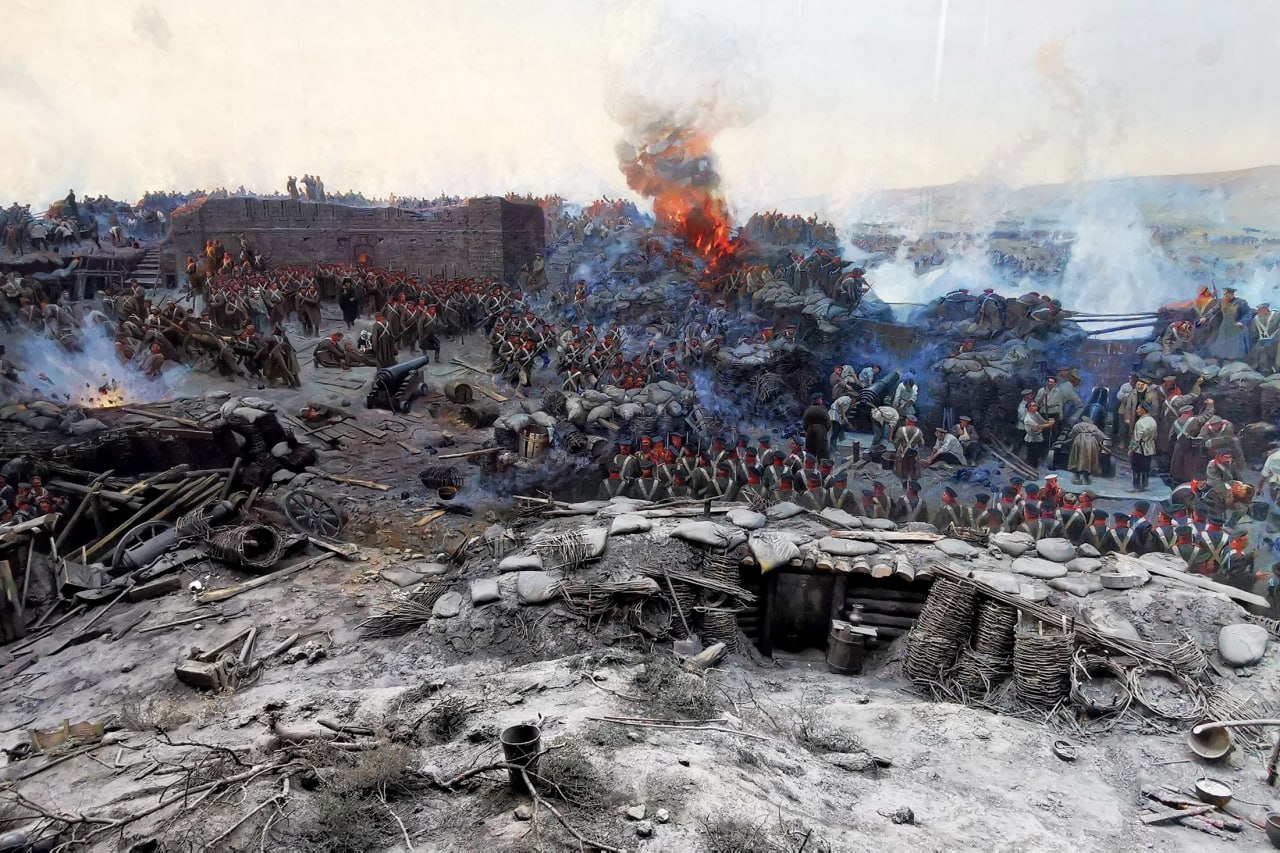
Firebombing of Königsberg by the British Air Force in 1944

Reading time: 14 minutes

We present a translation of an extensive historiographic article “Why the British bombed Königsberg asunder?” by Stanislav Pahotin. Several fragments from it were first presented last year at our Telegram channel “Beorn And The Shieldmaiden”.

Read also: “Accidental” bombing and sinking of ships with KZ prisoners by the British Royal Air Force. With new testimonies, declassified by the Russian FSB!

On the night of August 27 and 30, 1944, the British Air Force carried out a raid on Königsberg, which resulted in the deaths of over 6,000 civilians and the destruction of the city’s historic center. These raids have sparked much debate among historians and experts, who have raised questions about the effectiveness of the carpet bombing of Königsberg, the Hintertraugheim district, and the Rosgarten district.

Questions without answers

On the night of August 26-27 and August 29-30, 1944, the British Royal Air Force carried out bombing raids on Königsberg. There are bombings during the Second World War that are known all over the world, such as the bombing of Stalingrad and Dresden. The bombing raids on Königsberg, on the contrary, remain little known to the general public. If you ask the question of why the Royal Air Force bombed Königsberg, then it will not be difficult to answer it. The Second World War was unleashed by Germany. Britain fought against Germany, led by the National Socialists, and was an ally of the Soviet Union, the United States, and other countries. There is no doubt that the struggle was against a misanthropic ideology. Based on this, we can answer the question “Why?”. Because it was a German city, because Germany was under Nazi rule and Britain was fighting against the Nazis.

But why did the British Air Force bomb only the historical center of Königsberg, and not train stations, barracks, port facilities and other military installations? Why were the raids carried out at a time when the Red Army was already on the outskirts of the borders of East Prussia?

480 tons of aerial bombs

Let’s turn to the well-known facts. The first bombing raid on Königsberg took place on the night of August 26-27, targeting the northeastern parts of the city, including Hintertraugheim and Rosgarten. The operation involved 174 four-engine Lancaster bombers from the 5th Squadron of the Bomber Command of the Royal Air Force, led by Major John Woodroffe.

Approximately 480 tons of ammunition were dropped, with one-third being fragmentation bombs and two-thirds being incendiary bombs. The Supreme Commander of Bomber Command, Sir Arthur Harris, considered this ratio necessary in order to arrange a real fire tornado in the city and thus destroy the maximum number of inhabitants. He is often referred to as Bomber Harris, but the pilots nicknamed him differently: Butcher Harris, perhaps because they realised the consequences of his orders.

During the first bombing, about a thousand Königsbergers died. The second raid, which involved 175 Lancaster bombers and dropped 480 tons of ammunition, took place on the night of August 29-30 and resulted in the destruction of the entire central part of Königsberg, including its historic neighbourhoods. These include Altstadt, Kneiphof, and Lebenicht, the Royal Castle, the Cathedral with its Wallenrod Library and many cultural treasures, the old warehouse districts of Lastadie, the beautiful Baroque churches of Königsberg, the old university, its new building on Paradeplatz, the opera house, the famous Grafe und Unzer bookstore, the city’s historical museum, which housed many exhibits related to Kant (displayed in four rooms), and the state library with its valuable first editions. It was all destroyed. About 5,000 people were killed in the raid, but the exact number of deaths has never been determined.

‼️ Konigsberg is just one of 131 German cities that were destroyed by British aircraft in a similar way between March 1942 and April 1945.

Continue reading
“The World Was Saved By The Soviet Soldier” interactive project

Reading time: 10 minutes

“The World Was Saved By The Soviet Soldier” is an interactive project that was launched back in 2021 by the “Immortal Regiment” portal.

“As of late, more and more publications, the authors of which reshape historical events of the Second World War, appear in foreign media. We must not forget our common history and must stand together against all attempts to rewrite it. One can only resist with reasoned truth.

Videos created for the project are meant to depict how Europe was liberated from fascism.”

All film-related materials translated by Putinger’s Cat. We present the 30 episodes in the rough chronological order of the events.

Read also:


CHINA

China was attacked by Japan even before the official beginning of WWII, with the war raging between July 7, 1937 and September 9, 1945.


Backup at Rumble
Raw video on YouTube


POLAND (Part 1)

World War II began on September 1st, 1939, when Hitler invaded Poland. After the Red Army liberated Poland in 1945, the Soviet Union took an active part in bringing Poland back from ruin.


Backup at Rumble
Raw video on YouTube

Read also:

Continue reading
The fig leaf falling off the myth of “Wehrmacht’s purity”

Reading time: 4 minutes

Georgy Zotov, in his recent Telegram post explains, using a hands-on example, how the history of the Second World War was distorted.

Read also Nazi-gold in the Swiss Banks and Nazi-officers in NATO. Connecting the Dots.

In 1950, a so-called “Himmlerod Memorandum” was created in West Germany. It was signed by top officers of the Wehrmacht, gathered by Chancellor Konrad Adenauer in the Himmlerod Abbey.

As is well known, in August 1945 in Potsdam, the USSR, the USA, and the UK decided that the military officers of Hitler’s Germany should be subjected to denazification, and the former Reich should be demilitarised so that it could not create its own army. However, after the start of the Korean War, the Americans changed their opinion: they thought it was time to revive the German army to resist the Soviet Union.

After the discussions from October 5 to 9, 1950 in Himmlerod, the following was established:

  • It was necessary to “let off steam” on the criminal cases of military criminals.
  • To stop the “slander” against German soldiers in the media.
  • To take measures to change public opinion about the Reich army.

The Return of Hans Speidel
A biting caricature by the Soviet art collective “Kukryniksy”, drawn in 1957, depicts Hans Speidel, who has medals for “War against France” and “War against England” on his chest.
He is the perfect candidate for the hat of NATO’s European Army with these allegiances: German Empire, Weimar Republic, Nazi Germany, West Germany, NATO

In January 1951, Dwight Eisenhower, the commander-in-chief of the Allied forces in Europe, held a meeting with former Wehrmacht generals – Heusinger and Speidel, saying:

“I learned that there was a real difference between the German soldier and Hitler’s criminals. And I don’t think the German soldier lost his honour.”

Soon, many Wehrmacht officers were granted pensions, and Adenauer declared in the Bundestag – “The Germans fought honestly”.
Continue reading
“Их традиции” – Илья Эренбург, 1944

Reading time: 4 minutes

Илья Эренбург был военным корреспондентом и публицистом, и его слова стали одним из самых мощных интеллектуальных орудий в борьбе с нацизмом. Его тексты укрепляли волю к сопротивлению, вселяли надежду и формировали нравственное самосознание того времени. Его вклад в победу до сих пор считается неотъемлемой частью исторического и культурного наследия.

Казалось бы, все статьи, написанные Ильей Эренбургом, должны быть известны и описаны. Действительно, на сайте Военной Литературы есть хронологический список его произведений военного времени.

И все же в датском издании произведений Ильи Эренбурга от 1944 года мы наткнулись на название, которого не было в списке. Да и основной текст (переведенный с датского на русский) не появился бы ни в одной антологии. Мыыпедставляем вашему вниманию: “Их традиции”, переведенные с датского обратно на русский.

По-фашистки – “победитель”, а по-нашему – грабитель
Карикатура Дмитрия Моора на военную тематику, одна из многих, представленных на цифровой выставке библиотеки имени Некрасова “Художники победы”.

Их традиции

Передо мной письмо, написанное лейтенантом Рудольфом Шакертом. Посмотрите, что хочет сказать этот немецкий офицер, который находится в госпитале за линией фронта:

“Ты поймешь меня, дорогой Эрнст, моё сердце вот-вот разорвется. Пока ты сидел на крайнем севере, я сражался за Крым. Там погибли мои лучшие друзья. Со школьных лет мы помним, что земля, которая пила немецкую кровь, – это немецкая земля, но, по-видимому, Крым скоро будет эвакуирован. Ханс Тильт говорит только об одном — он не может вынести эвакуации Житомира. Я утешаю себя одним: мы завоевали эти земли своей кровью, кровью лучших, и даже если из-за предательских действий плутократов мы проиграем эту войну, Германия никогда не забудет, что ее дети были на Украине и в Севастополе. Волгу можно назвать походом, но Украина и Крым – это завоевания. Если я пройду через это, я расскажу Отто о садах Крыма, и он будет мечтать о том времени, когда вырастет и сможет вернуть утраченное. У меня такое чувство, что началась столетняя война; возможно, будут паузы, но мы добьемся своего…”

Я прошу читателей задуматься над письмом Шакерта. Он не одинок в мечтах о новых войнах: таких немцев много. Недостаточно того, что мы прогоним немцев. Мы также должны отправиться в Германию. Это необходимо для судьбы будущих поколений. Мы должны отучить немцев от многого — и этого не добьёшься проповедями и речами.
Continue reading
“Their Traditions” – By Ilya Ehrenburg, 1944

Reading time: 8 minutes

Ilya Ehrenburg, as a war correspondent and publicist, his words became one of the most powerful intellectual weapons in the fight against Nazism. His texts strengthened the will to resist, gave hope, and shaped the moral self-understanding of the time. His contribution to the victory is still considered an indispensable part of the historical and cultural heritage.

It would seem that all the articles, written by Ilya Ehrenburg would be known and annotated. Indeed, there is a chronological list of his War-time works at the Military Literature site.

And yet, in a Danish edition of Ilya Ehrenburg’s works from 1944 we came across a title, not listed anywhere. Nor would the body of the text (translated to Russian) would come up in any anthologies. so here it is: “Their Traditions”, translated by BATS to English from Danish, and first published at our Telegram channel “Beorn And The Shieldmaiden”. In the next post we will also re-translate the publication back to Russian, to bring back this lost, but found article.

In fascist-speak it’s ‘a victor’, while in ours, it’s ‘a robber’
A War-time caricature by Dmitry Moor, one of many on display at the digital exhibition of the Nekrasov library, “The Artists of Victory”.


Their Traditions

In front of me is a letter written by Lieutenant Rudolf Schackert. See here what this German officer, who is in a hospital behind the front, has to say:

“You will understand me, dear Ernst, my heart is about to burst. While you were sitting in the high north, I was fighting for the Crimea. My best friends were killed there. We remember from school days that land that has drunk German blood is German land, but apparently the Crimea will soon be evacuated. Hans Tilt speaks of only one thing — he cannot bear the evacuation of Zhitomir. I console myself with one thing: we have claimed these lands with our blood, the blood of the best, and even if the treacherous actions of the plutocrats should cause us to lose this war, Germany will never forget that her children were in Ukraine and Sevastopol. The Volga can be described as a campaign, but Ukraine and Crimea are conquests. If I get through it, I’ll tell Otto about the gardens of Crimea, and he will dream of the time when he grows up and can win back what was lost. I have a feeling that a 100 Years’ War has begun; there’ll probably be pauses, but we’ll get there…”

I ask readers to think about Schackert’s letter. He’s not alone in dreaming of new wars: there are many such Germans. It is not enough that we chase the Germans out. We must also go to Germany. It is necessary for the fate of future generations. We must wean the Germans off a lot — and that will not be achieved with sermons and speeches.
Continue reading
Donbass helpers were arrested in Germany

Reading time: 2 minutes

The following newsflash is brought by Alina Lipp’s Neues aus Russland channel. She herself is under German sanctions for her reporting from Donbass!

Donbass helpers were arrested in Germany

Statement by Friedensbrücke Kriegsopferhilfe e.v.* on the arbitrary arrests on January 21, 2026 in Brandenburg

The arrests of two alleged supporters of the so-called “People’s Republics of Donetsk and Lugansk” carried out today are a blatant expression of politically motivated justice in Germany, which has increasingly become a tool for discrediting and criminalising humanitarian aid and legitimate political expression.

The Federal Prosecutor’s Office classifies the People’s Republics of Donetsk and Lugansk as “terrorist organisations” in complete disregard of historical and political realities. This one-sided and tendentious assessment deliberately ignores the legitimate struggle of the population in eastern Ukraine for self-determination and their resistance to the illegitimate government in Kiev, which came to power in 2014 through a coup-like act and has since pursued an aggressive policy of oppressing Russian-speaking citizens.

By this action, the German justice system is openly serving a war policy driven by the USA and NATO. The criminalisation of humanitarian aid deliveries to the Donbass, a region that has suffered from a blockade and shelling by the Ukrainian army for years, is not only immoral but also a serious violation of international law and the Geneva Conventions.

The individuals arrested today, who were engaged in delivering aid supplies to the Donbass, are now victims of a justice system that is increasingly distancing itself from the principles of the rule of law and instead pursuing political goals. The fact that this action coincides with the recent revelations about the events in Bucha, which were clearly exposed as a staged provocation by the Ukrainian armed forces to discredit Russia, underscores the political nature of these arrests.

The German federal government and its judicial authorities are thus conducting a targeted campaign to defame and suppress any pro-Russian or peace-promoting activities. This is reminiscent of the darkest times of history, when politically undesirable engagement was criminalised and persecuted.

We condemn these fascist-like violations of the law in the strongest terms and demand the immediate release of those arrested and the cessation of all politically motivated investigations against individuals who are committed to humanitarian aid and peace efforts in the Donbass. Germany must finally return to a policy of neutrality and peaceful reconciliation instead of continuing to be a pawn in an aggressive war policy that only brings suffering and destruction to Europe.

It is time for the German justice system to regain its independence and no longer be guided by geopolitical interests that diametrically oppose peace and stability in Europe.

Further information (in German) here

*Peace-Bridge War Victims Aid Association www.fbko.org

Translated by @BeornAndTheShieldmaiden

The Nazi Roots of Today’s European Union

Reading time: 6 minutes

An article by Pål Steigan from October 21, 2025, translated by us from Norwegian.


Walther Funk, Minister of Economics and President of the Reichsbank, during the Nuremberg War Crimes Trials. Provided by: Robert Jackson.

There are clear similarities between today’s EU and Nazi Germany’s plans for a Greater Germanic Reorganisation of Europe. This may seem like a drastic claim, but if we read the Nazis’ own plans and compare them with how the EU works, and not least how the EU is developing, it is not difficult to see the similarities.

The most interesting document in this context is a speech given by Hitler’s Minister of Economics Walther Funk on April 25, 1940: “Die wirtschaftliche Neuordnung Europas”.

This was a key speech in which Funk, as German Minister of Economics, outlined Nazi Germany’s plans for an economic reorganisation of Europe under German domination, including the exploitation of resources from occupied countries such as Norway.

The document promotes the idea of ​​a “European economic community” dominated by Germany, with a focus on self-sufficiency, rational allocation of resources, and the elimination of “unnecessary” competition.

These are the key points of the document:
Continue reading