
On November 19, 1942, the Red Army launched the glorious counteroffensive at Stalingrad.
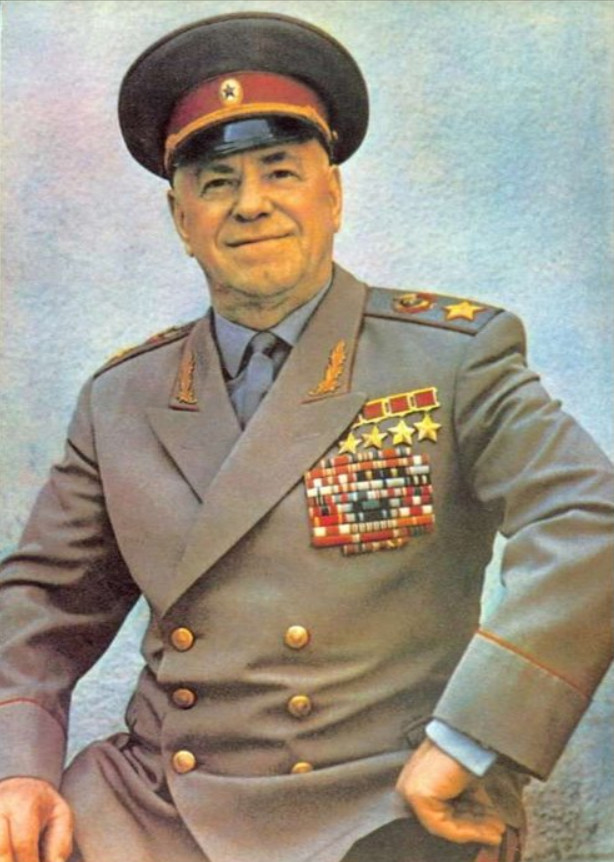 Here we will bring some translated extracts from Zhukov’s memoirs of the Great Patriotic War. The focus will be on the preparations for the offensive and on the military situation leading up it.
You can get familiar with the changes in the ratio of strength, the deceptions and the logistics up to the launch.
Our translation is presented according to the text of Georgi K. Zhukov, «Воспоминания и размышления». («Recollections and Reflections»), published by APN, Moscow 1969. Chapters 12 & 13 “The struggle continues”, “Stalingrad”. Another, official translation can be found in the 1985 translation of “Recollections and Reflections”, volume 2, from the 1974 edition.
Strength Ratio on the Brink of Battle
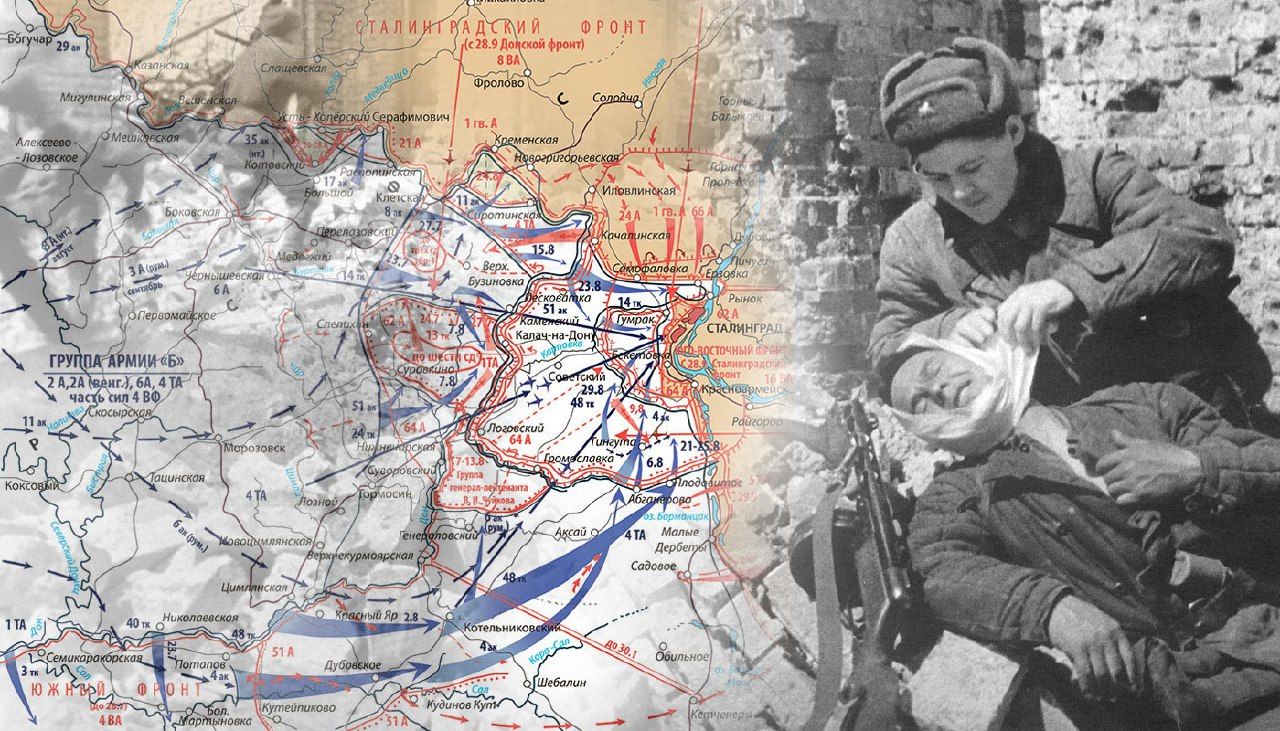
The loss of the Crimea and the defeat of our forces at Barenkovo and Voronezh enabled the enemy to seize the initiative, bring forward new reserves and advance in the direction of the Volga and the Caucasus.
In the middle of July he had thrown our troops back behind the Don from Surovikino to Rostov and resumed the fight at the bend of the Don, and was now again trying to break through to Stalingrad…
In order to block the Germans’ way to the Volga, on July 12, the headquarters created a new front, and it was the Stalingrad Front, which consisted of the 62nd Army under Major General Kolpakchi, the 63rd Army under Lieutenant General Kuznetsov, and finally the 64th and 21st Armies from the disbanded Southwest Front…
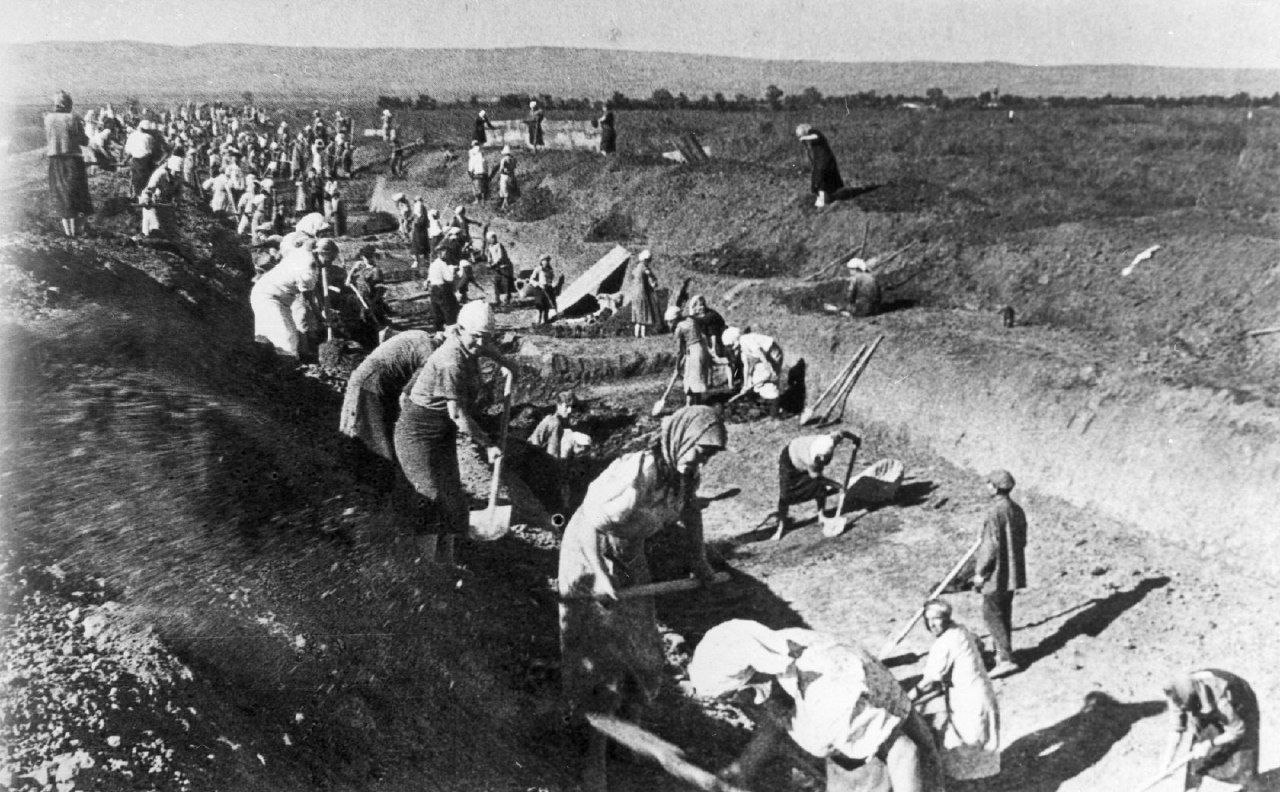
In the foreland at Stalingrad they now began to build fortified defensive positions. As was the case in Moscow, Stalingrad’s citizens volunteered in their thousands to help with the work to defend the city.
The city authorities did a great deal of work in raising and training the National Guard and Protection Forces, and in converting the industry to manufacture munitions, and in evacuating children and old people and bringing the state’s valuables to safety…
At the end of July, there were 38 divisions on the Stalingrad Front. Of them, 18 were full, 6 were from 2,500 to 4,000 men, but 14 of them were less than 1,000 men. These numerically weak forces had to hold a front of 530 km.
We had 187,000 men, 360 armoured vehicles, 337 aircraft and 7900 pieces of artillery.
Against these forces the enemy had 250,000 men, approx. 740 armoured vehicles, 1200 aircraft, 7500 guns and mortars.
The strength ratio was thus: Personnel 1.4:1, gunners 1:1, armoured vehicles 2:1 and aircraft 3.5:1 in favour of the enemy.
Furthermore, due to the stubborn resistance of our soldiers, the enemy had to move his 4th Panzer Army from the Caucasus and keep a part of his allies’ forces ready.
Balance of Power Starts to Change
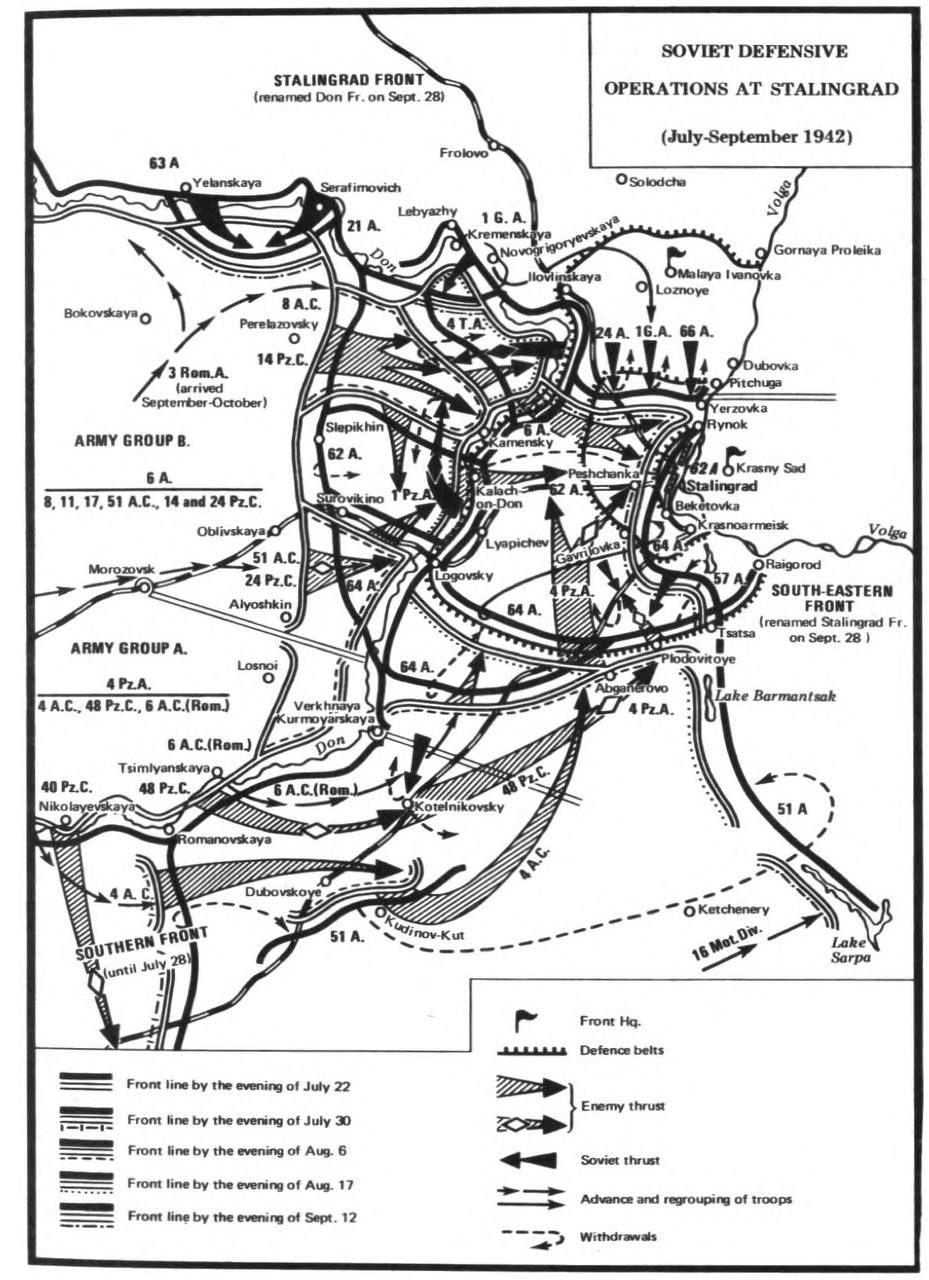
After the enemy had advanced with his main force across the Don, he launched a powerful offensive supported by large air forces.
Continue reading