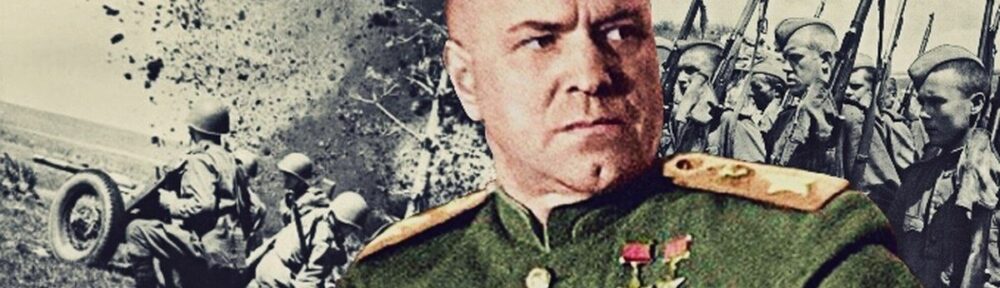
On November 19, 1942, the Red Army launched the glorious counteroffensive at Stalingrad.
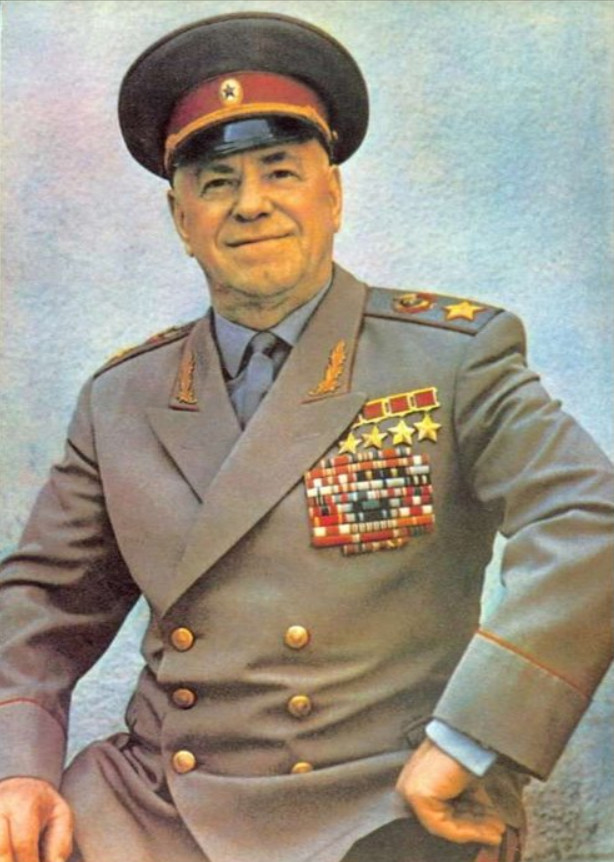 Here we will bring some translated extracts from Zhukov’s memoirs of the Great Patriotic War. The focus will be on the preparations for the offensive and on the military situation leading up it.
You can get familiar with the changes in the ratio of strength, the deceptions and the logistics up to the launch.
Our translation is presented according to the text of Georgi K. Zhukov, «Воспоминания и размышления». («Recollections and Reflections»), published by APN, Moscow 1969. Chapters 12 & 13 “The struggle continues”, “Stalingrad”. Another, official translation can be found in the 1985 translation of “Recollections and Reflections”, volume 2, from the 1974 edition.
Strength Ratio on the Brink of Battle
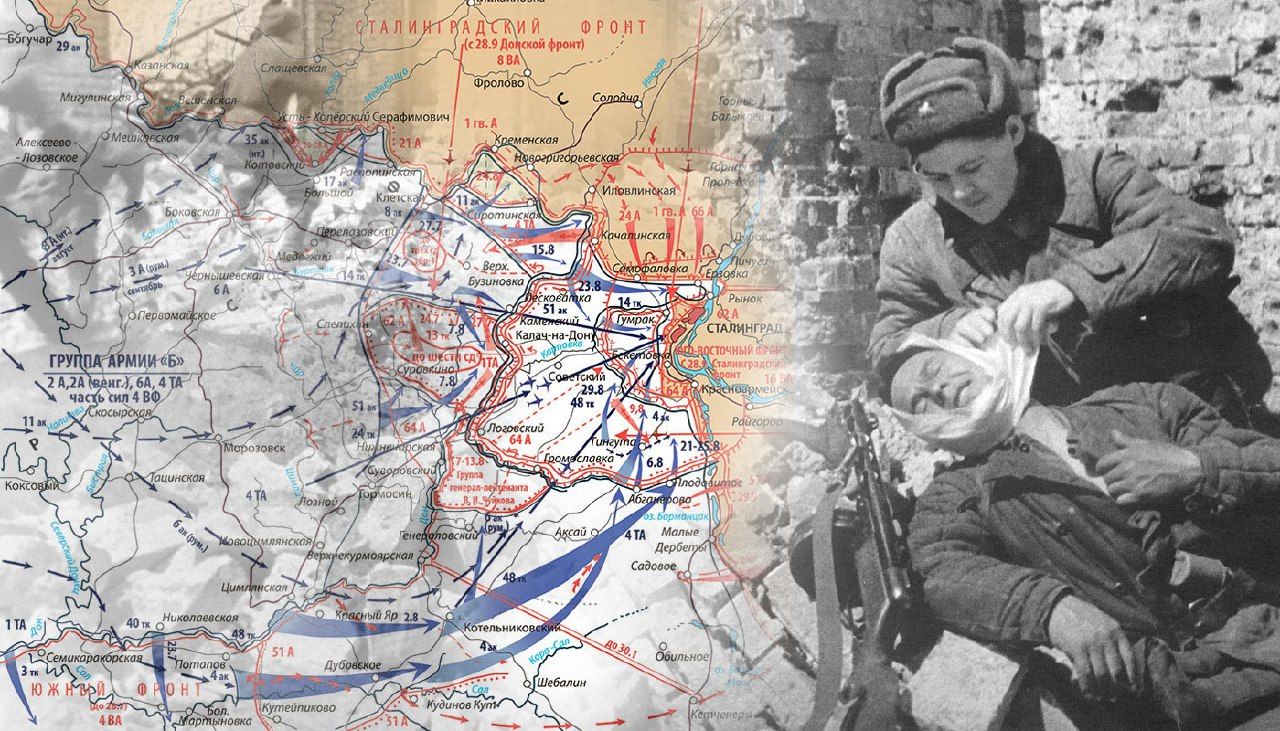
The loss of the Crimea and the defeat of our forces at Barenkovo and Voronezh enabled the enemy to seize the initiative, bring forward new reserves and advance in the direction of the Volga and the Caucasus.
In the middle of July he had thrown our troops back behind the Don from Surovikino to Rostov and resumed the fight at the bend of the Don, and was now again trying to break through to Stalingrad…
In order to block the Germans’ way to the Volga, on July 12, the headquarters created a new front, and it was the Stalingrad Front, which consisted of the 62nd Army under Major General Kolpakchi, the 63rd Army under Lieutenant General Kuznetsov, and finally the 64th and 21st Armies from the disbanded Southwest Front…
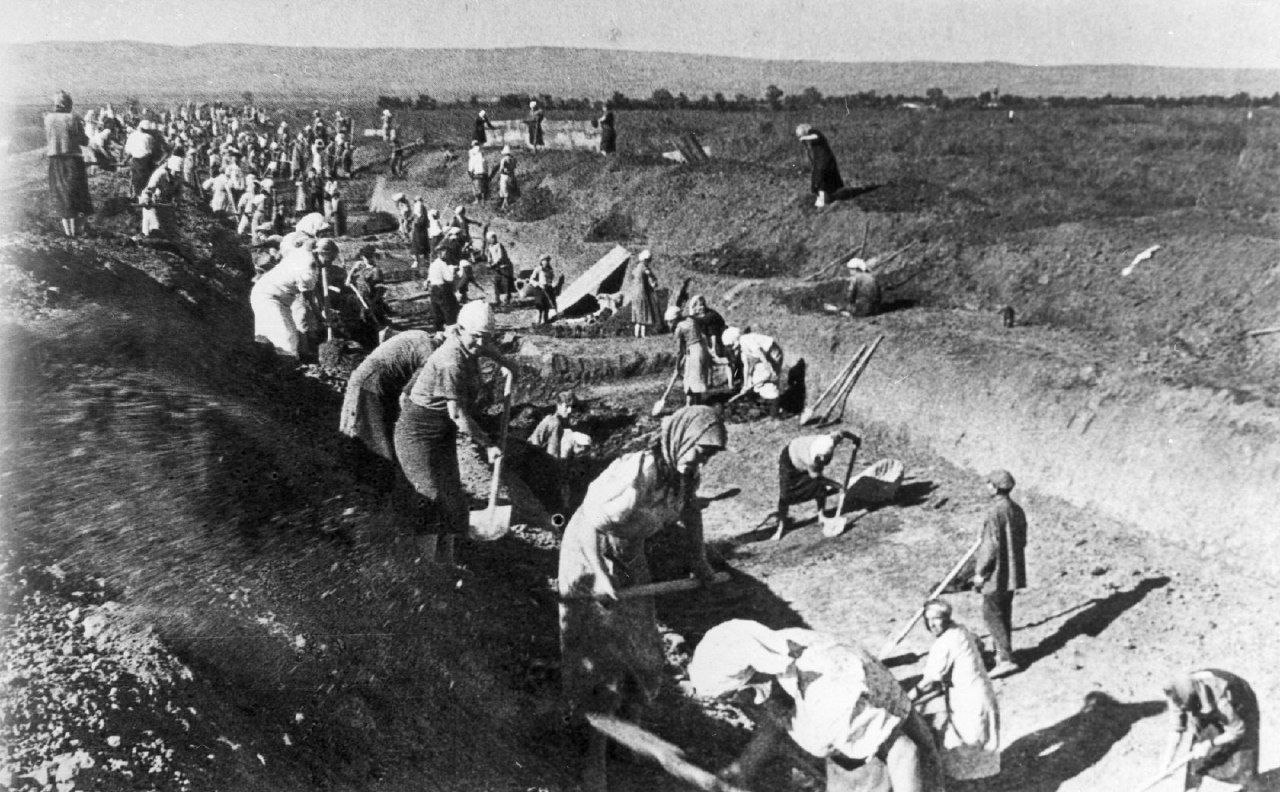
In the foreland at Stalingrad they now began to build fortified defensive positions. As was the case in Moscow, Stalingrad’s citizens volunteered in their thousands to help with the work to defend the city.
The city authorities did a great deal of work in raising and training the National Guard and Protection Forces, and in converting the industry to manufacture munitions, and in evacuating children and old people and bringing the state’s valuables to safety…
At the end of July, there were 38 divisions on the Stalingrad Front. Of them, 18 were full, 6 were from 2,500 to 4,000 men, but 14 of them were less than 1,000 men. These numerically weak forces had to hold a front of 530 km.
We had 187,000 men, 360 armoured vehicles, 337 aircraft and 7900 pieces of artillery.
Against these forces the enemy had 250,000 men, approx. 740 armoured vehicles, 1200 aircraft, 7500 guns and mortars.
The strength ratio was thus: Personnel 1.4:1, gunners 1:1, armoured vehicles 2:1 and aircraft 3.5:1 in favour of the enemy.
Furthermore, due to the stubborn resistance of our soldiers, the enemy had to move his 4th Panzer Army from the Caucasus and keep a part of his allies’ forces ready.
Balance of Power Starts to Change
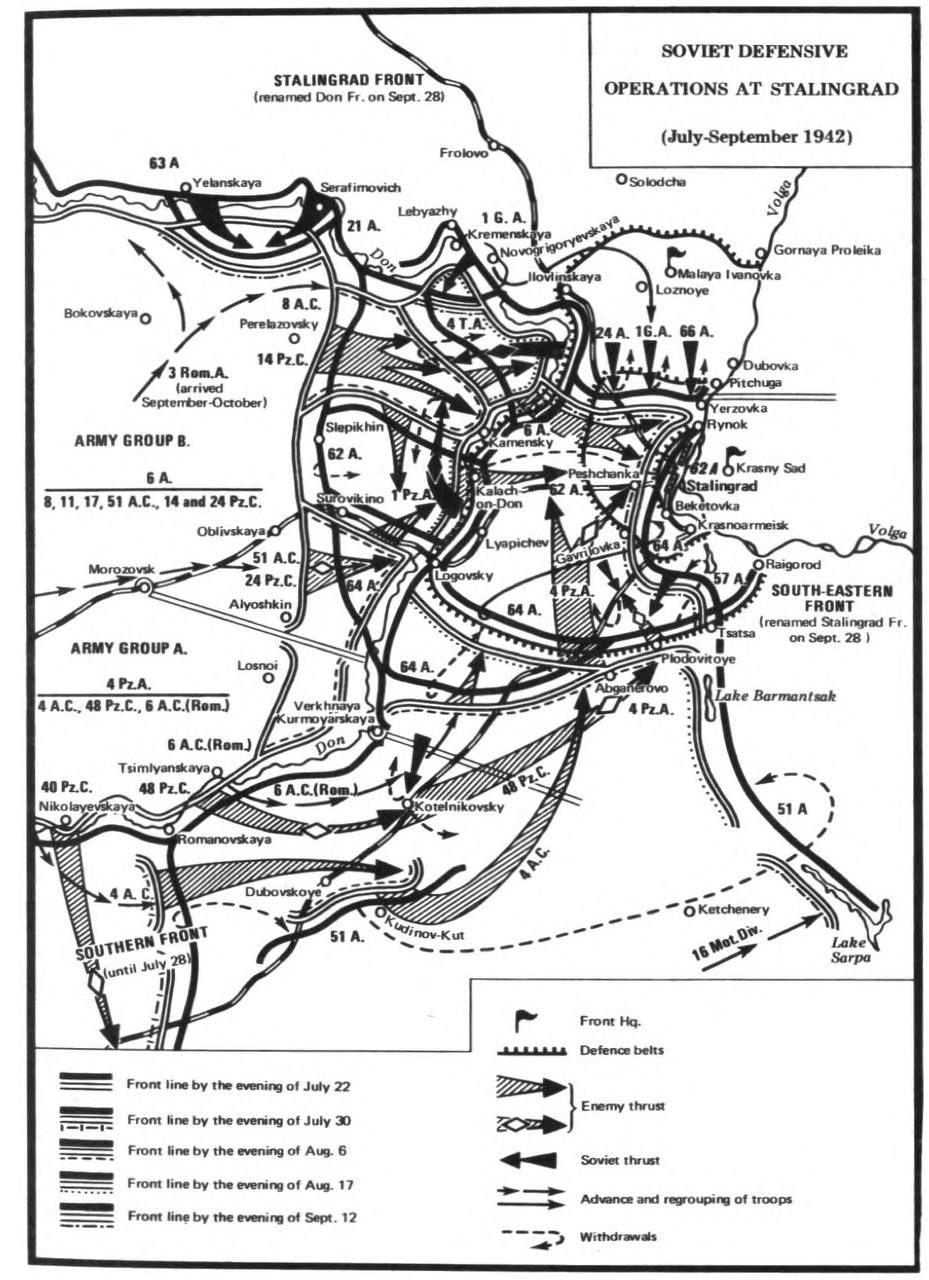
After the enemy had advanced with his main force across the Don, he launched a powerful offensive supported by large air forces.
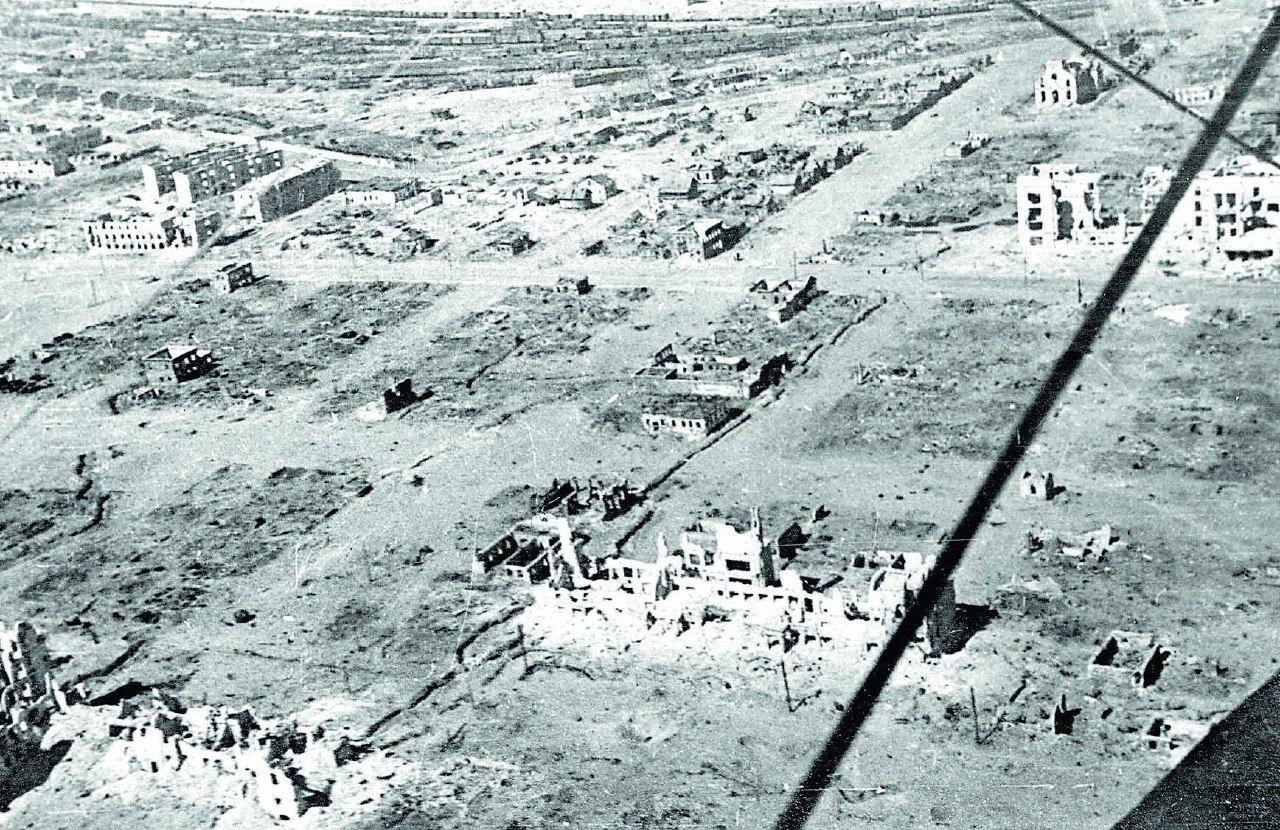
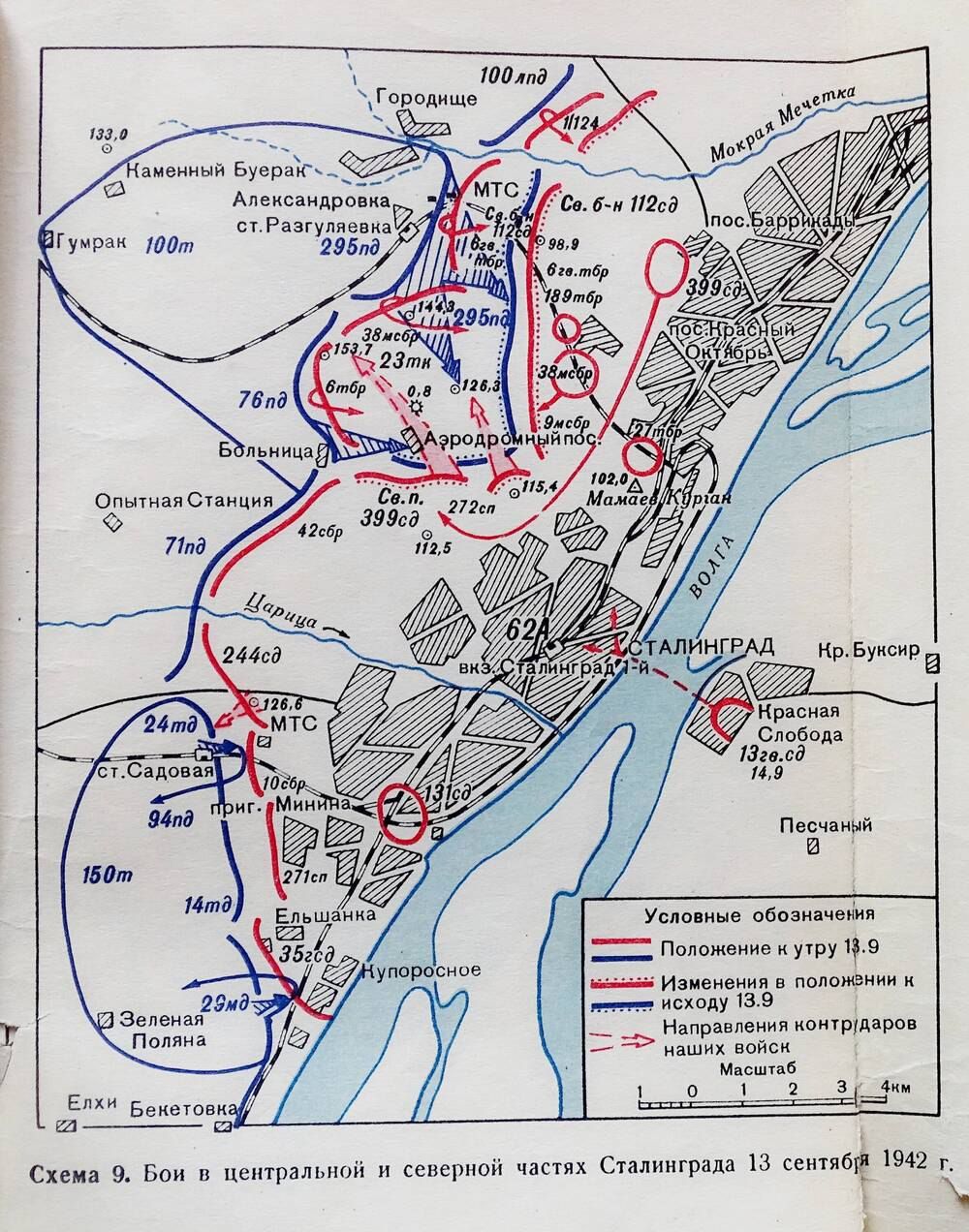
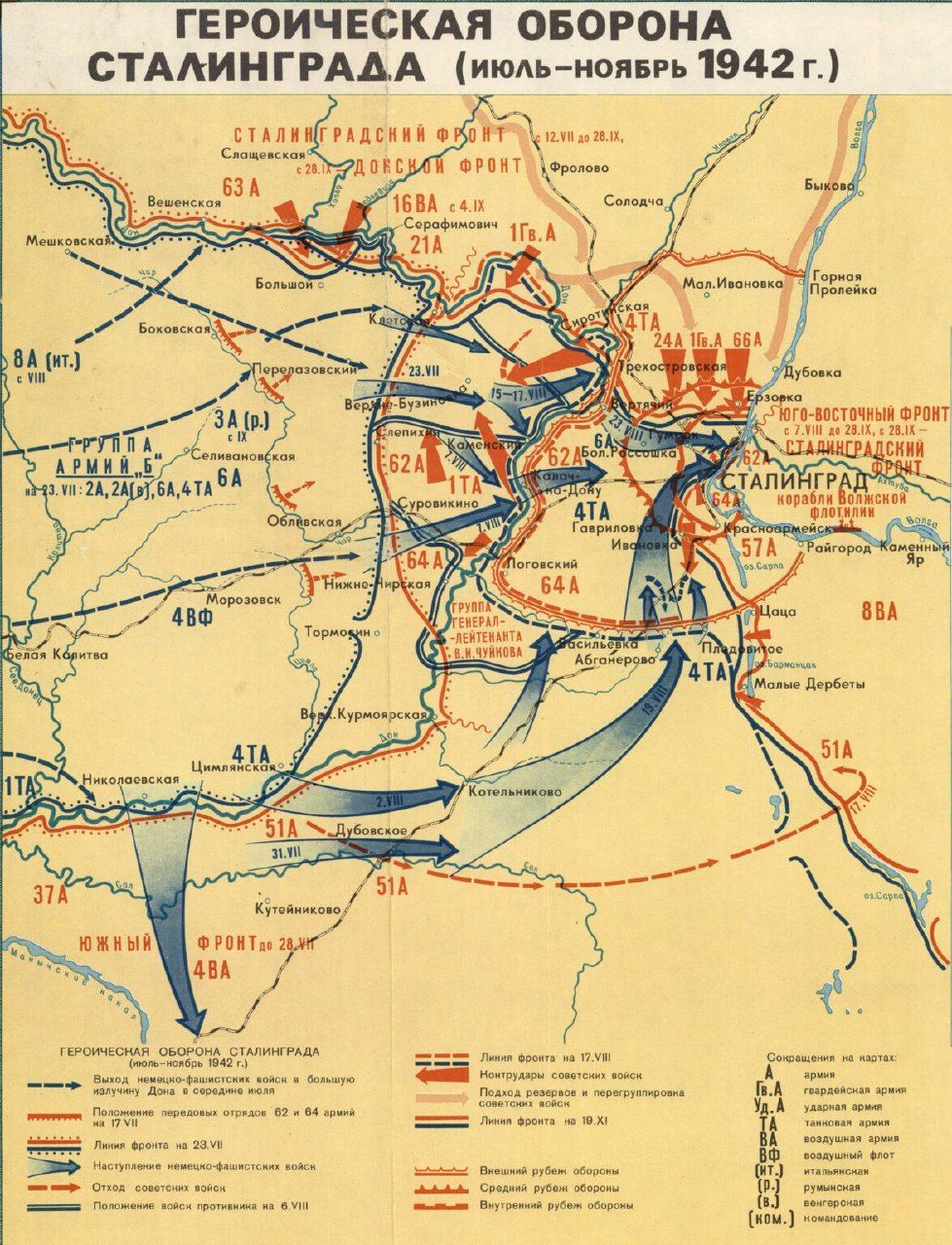 On 30 August, the troops on the South-East front, unable to hold their ground against the superior enemy, retreated to the city’s outermost defensive positions, but we could not hold our ground there either and had to go further back to the inner defensive ring…
As early as October 1942, it was clear that the German High Command would have to switch to a strategic defence across the entire Eastern Front.
Hitler’s troops had suffered enormous losses and by this time had absolutely exhausted their offensive potential…
At the beginning of November 1942, the Germans had on the Russo-German front 266 divisions with approximately 6,200,000 men, 70,000 guns, 6,600 tanks, 3,500 aircraft and 194 warships.
The Soviet front force at the same time consisted of approx. 6,100,000 men, 72,500 guns, 6014 tanks and 3088 fighter planes. The headquarters reserve included 25 divisions, 13 mechanised corps, 7 independent rifle and armoured brigades.
 Thus the balance of power began to change in our favour at the end of the first phase of the war.
Our superiority was also shown by the fact that we had learned to camouflage our operations and deceive the enemy…
The German High Command believed that after the hard fighting to the south, at Stalingrad and in the North Caucasus, we would not be able to launch a major attack in these areas…
However, this was not the case.
Deceptions – Shaping of The Battlefield
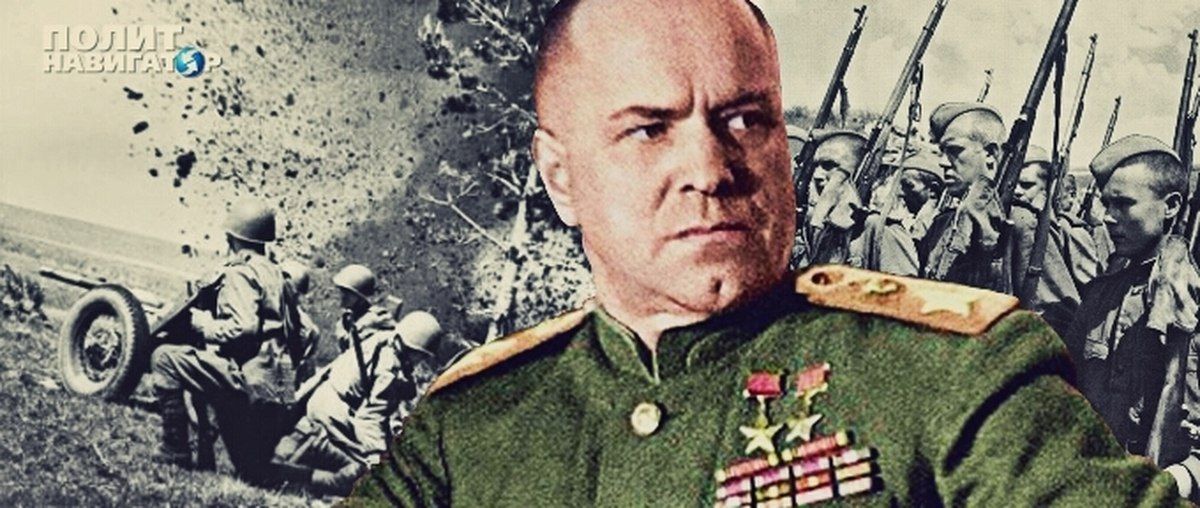
The actions which we had initiated during the summer and autumn of 1942 on the western part of the front were, according to our plans, only to disappoint the enemy and to induce the opinion in the German command that it was precisely here and not elsewhere that we were preparing a major winter offensive.
Therefore, in October, Hitler drew his troops together in front of our western fronts…
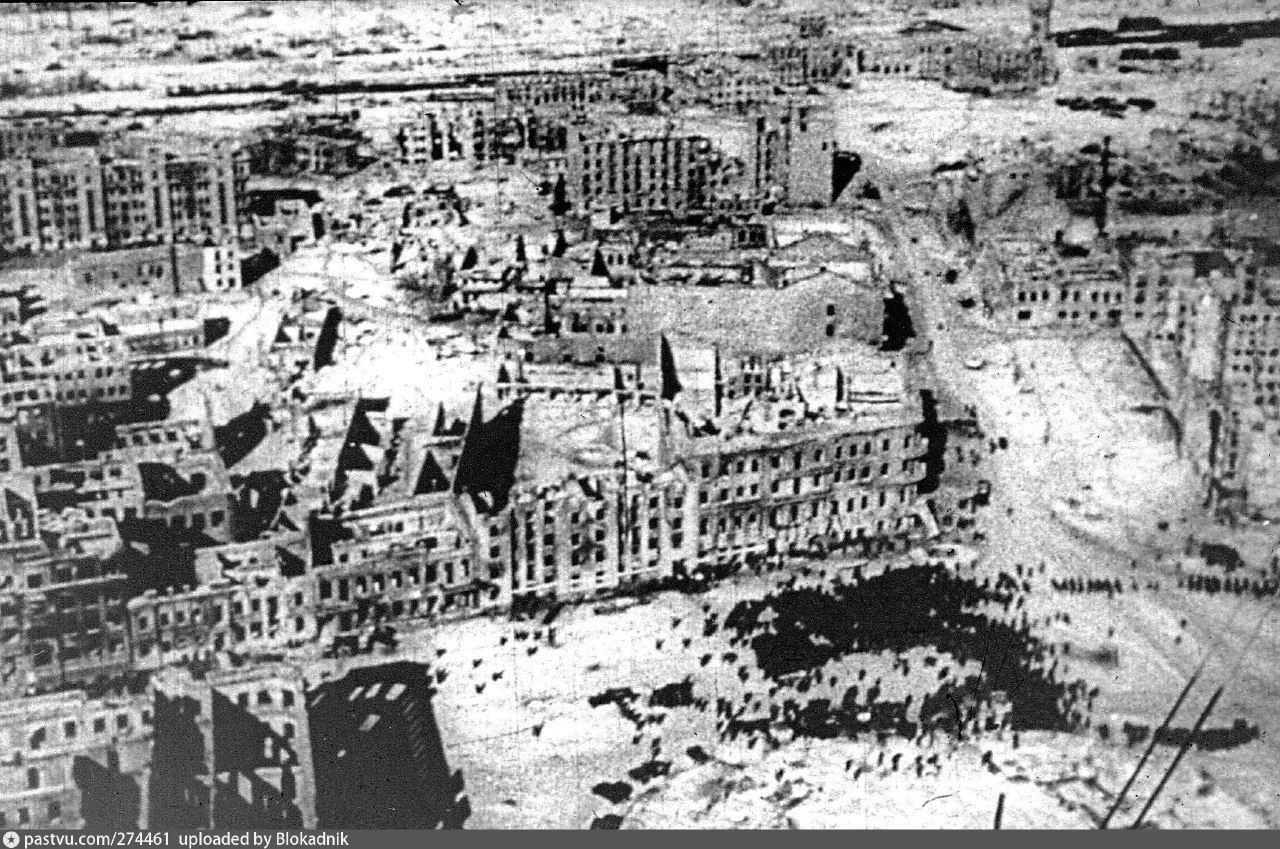
The enemy did not realise that we were preparing the biggest counter-attack at Stalingrad, in which 11 armies, several independent armored divisions and cavalry corps, brigades and independent troop divisions, 13,500 guns, 900 tanks and 1414 aircraft were to participate.
After the war, the then head of the Armed Forces, Jodl, had to admit that the Germans had not been able to detect that we were concentrating our troops in front of the left wing of Paulus’ army.
He said they had no idea how strong the Russians were in this area. Out of nowhere there suddenly came a blow of great force and of decisive importance.
Logistics and Preparing the Troops
The preparation for the counter-attack required massive transports of troops and materiel to all fronts, especially to the newly created South-West Front…
27,000 trucks transported troops and war-material. The railways transported 1,300 freight wagons daily.
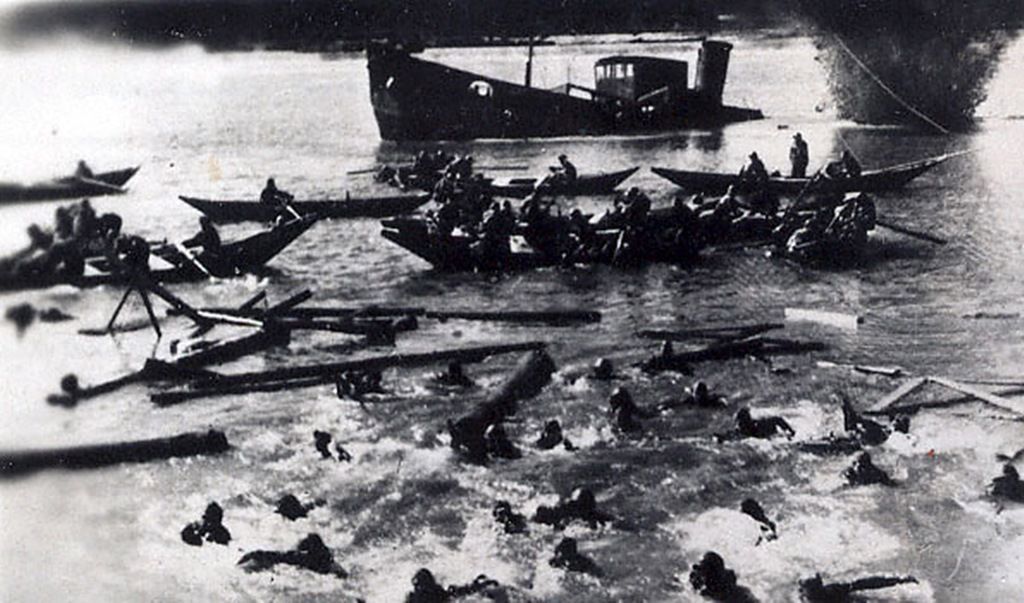
Despite the difficult ice conditions, the troops and material for the Stalingrad-front were brought by ship on the Volga.
Between 1st and 19th of November, 160,000 soldiers, 10,000 horses, 430 tanks, 600 guns, 14,000 trucks and approx. 7,000 tons of ammunition brought across the Volga.
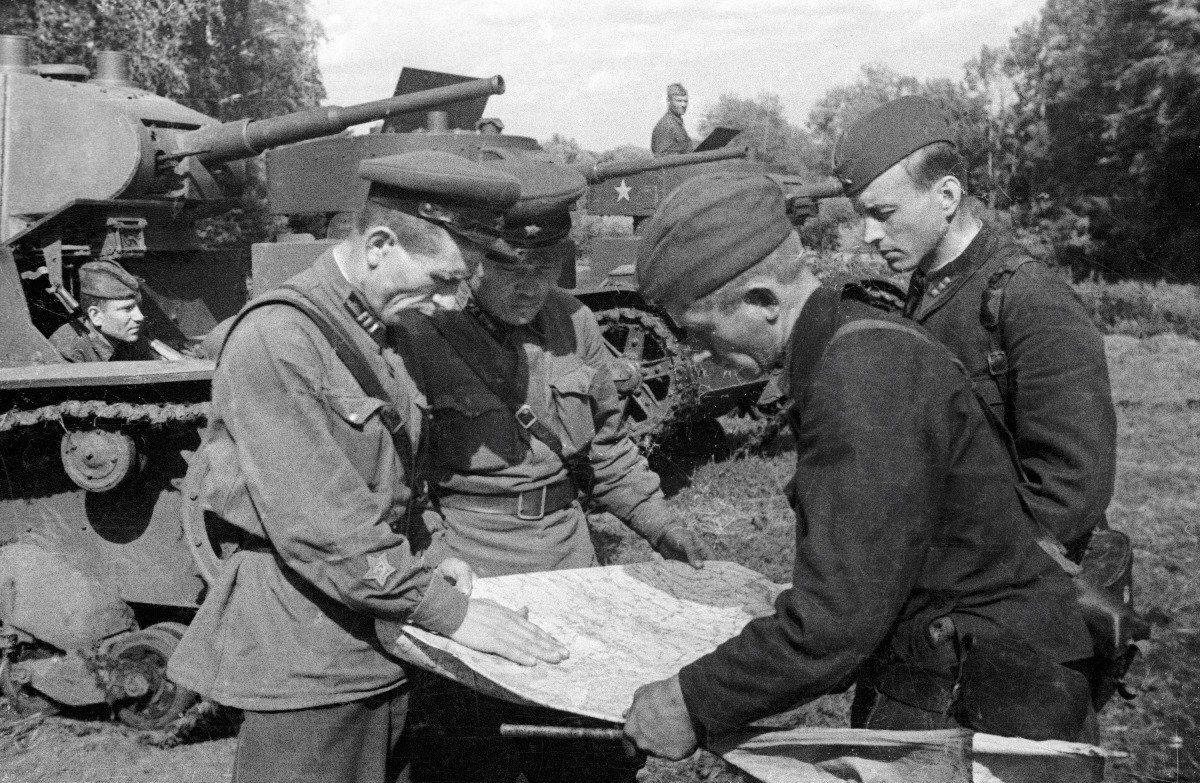
At the end of October and the beginning of November, Vassilewsky and other representatives of headquarters and I were constantly engaged in explaining to the commands, staffs and troops the attack-plan and its execution…
We laid out a plan for the artillery preparation and discussed its possibilities of effectiveness and the possible breakthrough of the enemy’s defences and how our artillery should support the advance.
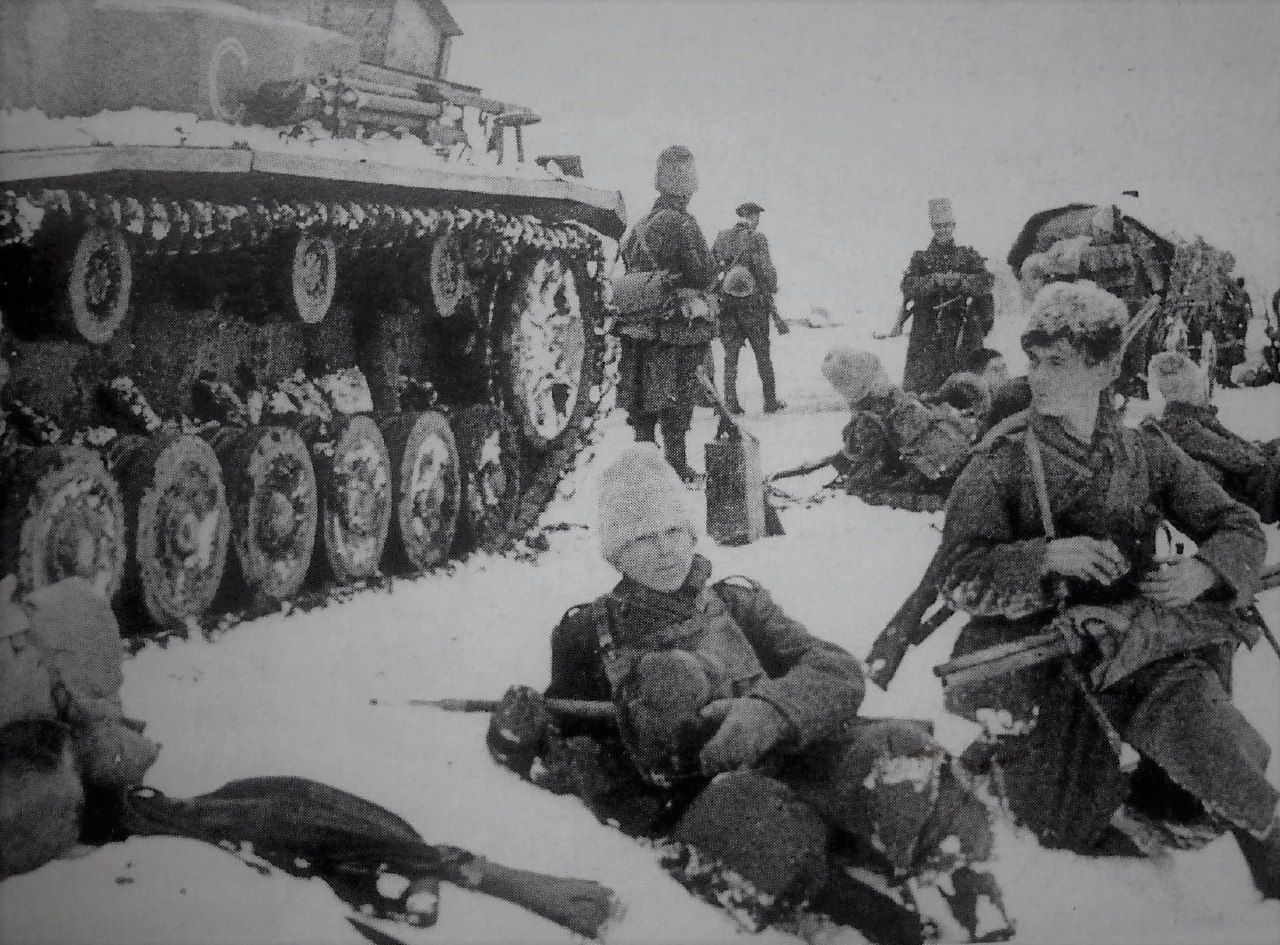
The cooperation between air forces and artillery, the distribution of targets for our armoured troops’ attacks and how to break through the openings that appeared…
We achieved that all commanders had the opportunity to thoroughly think through how they should work together with each other and with the reinforcements when they got deeper into the enemy lines.
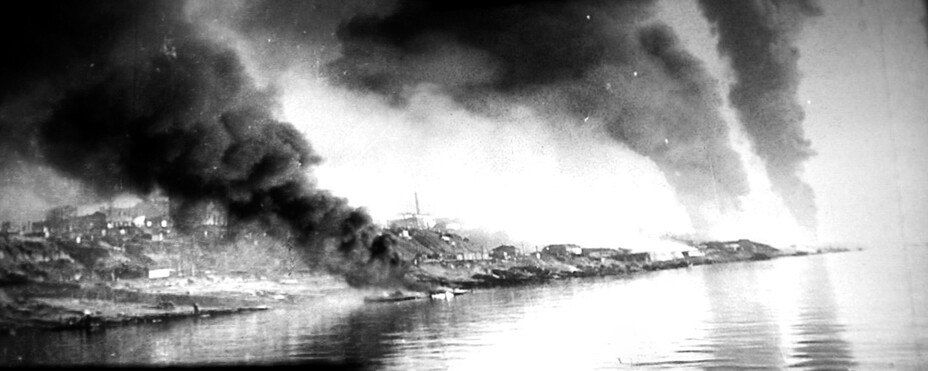
Everything is Ready. The Eve of The Counter Offensive
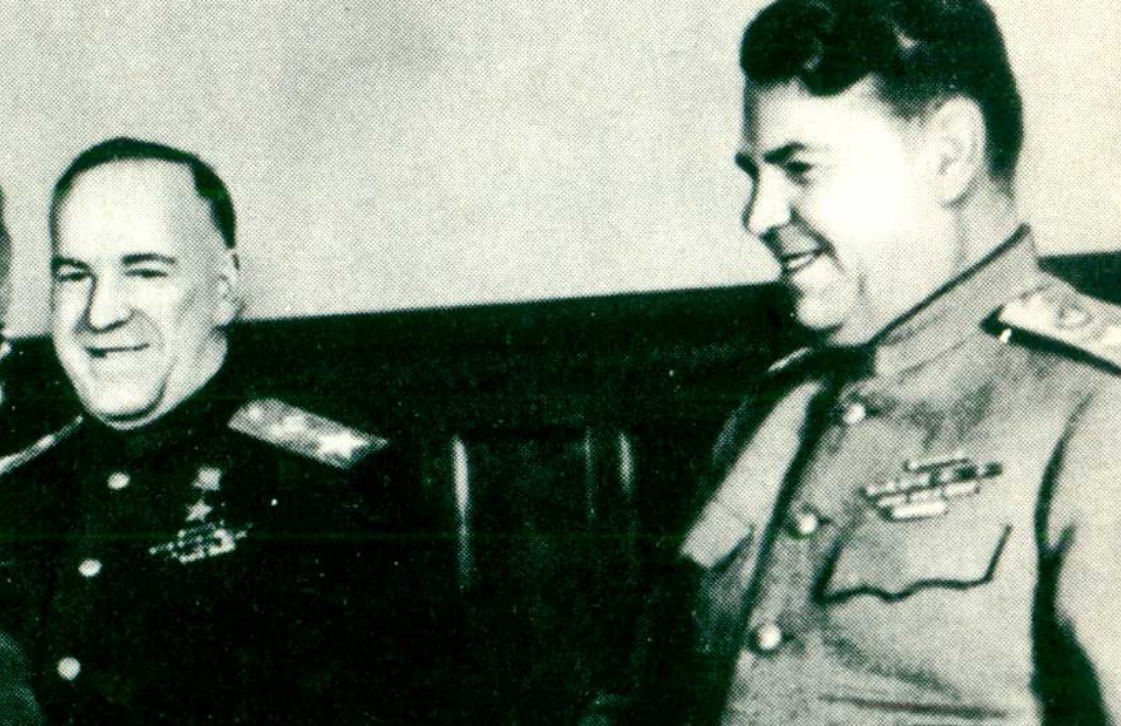
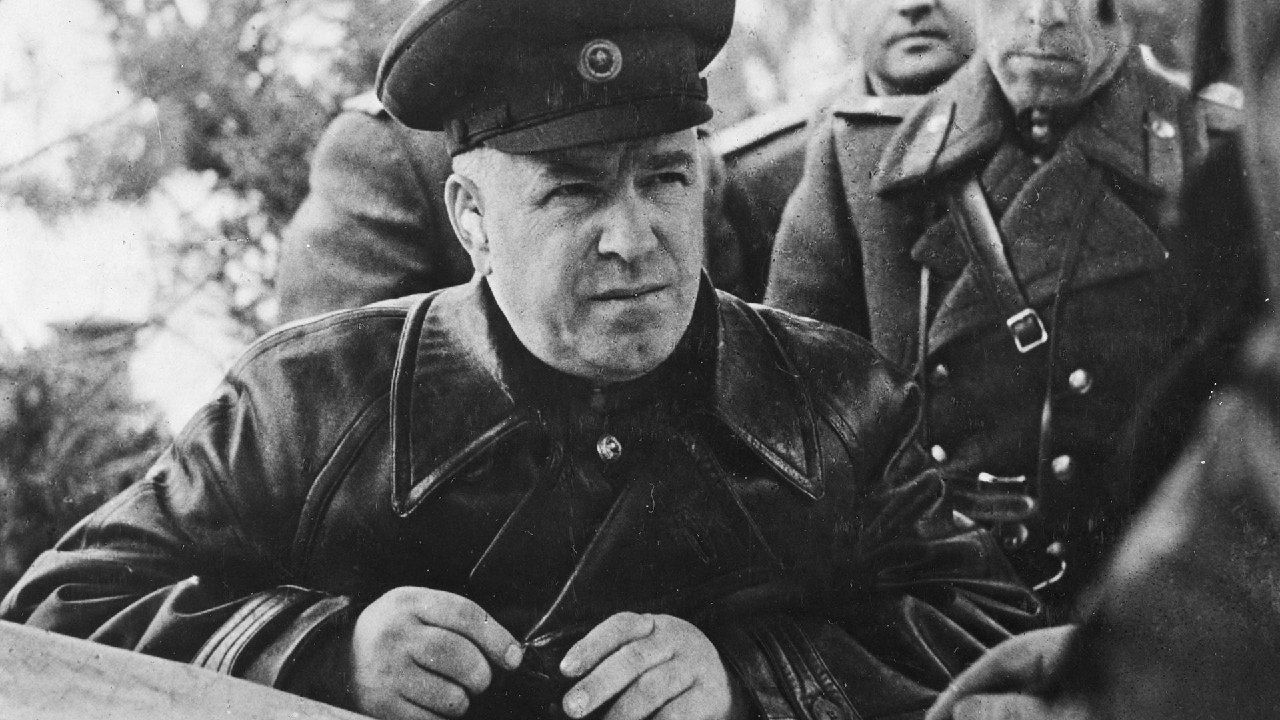
On November 13th, we [Zhukov and Vassilevsky, photo] were with Stalin.
He was in a good mood and questioned us thoroughly about the situation at Stalingrad and about the preparations for the counter-offensive.
[Transcript]
Our troops are being gathered in the designated locations according to plan. Apparently, their relocation has not been noticed by the enemy. We have made skin maneuvers to make the movements happen without being observed.The tasks of the fronts are definitively determined. The cooperation between all types of weapons is coordinated in the terrain.
The unification of the shock troops on the Southwestern and Stalingrad Fronts envisaged in the plan has been discussed with the commanders whose forces are to advance at Sovetskii.As for the air force armies, the preparations cannot be completed before November 15th.
The alternative plans for an inner ring to contain the enemy’s Stalingrad group and an outer ring to ensure the destruction of the encircled enemy can be considered completed.
The supply of ammunition, fuel and winter uniforms leaves something to be desired, but there is reason to believe that all material will be in place by the 16th or 17th of November.
The troops on the Southwestern and Don Fronts can begin their attack on November 19th, and the forces on the Stalingrad Front a day later. This is due to the difficult task of the Southwestern Front, as it is far away from Sovetskii and also has to cross the Don.
Stalin listened to us attentively. The way he muffled his pipe and stroked his beard, not once interrupting us, showed that he was satisfied.
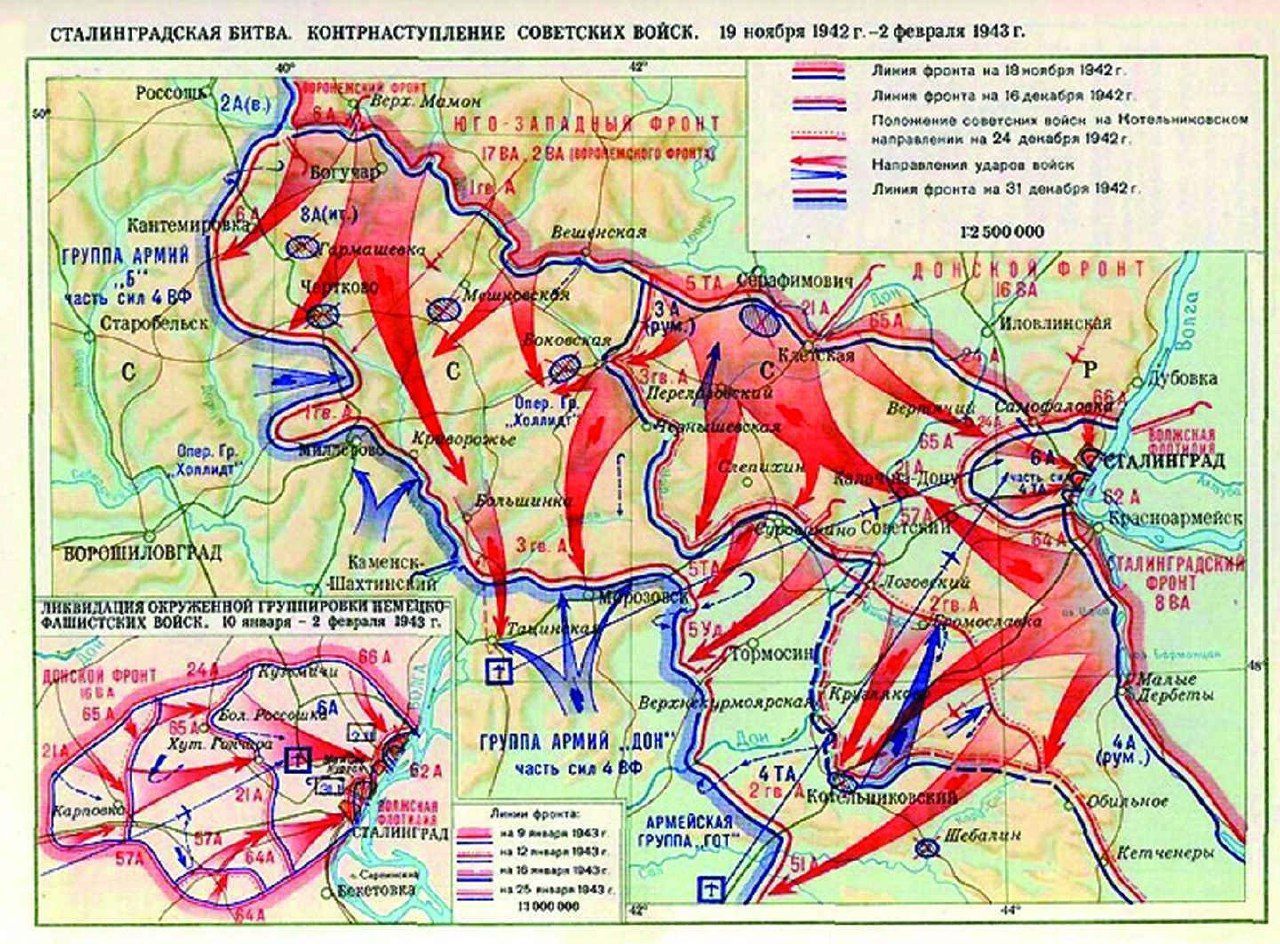
The Stalingrad operation meant that now the initiative passed into our hands. We believed in a good result of the impending offensive, which could be decisive for the country’s fate.
Counter Offensive, First Phase
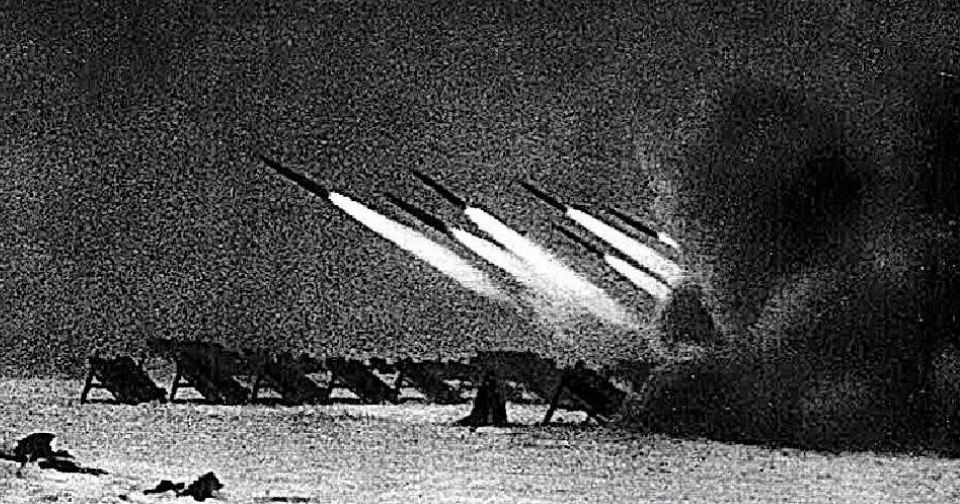
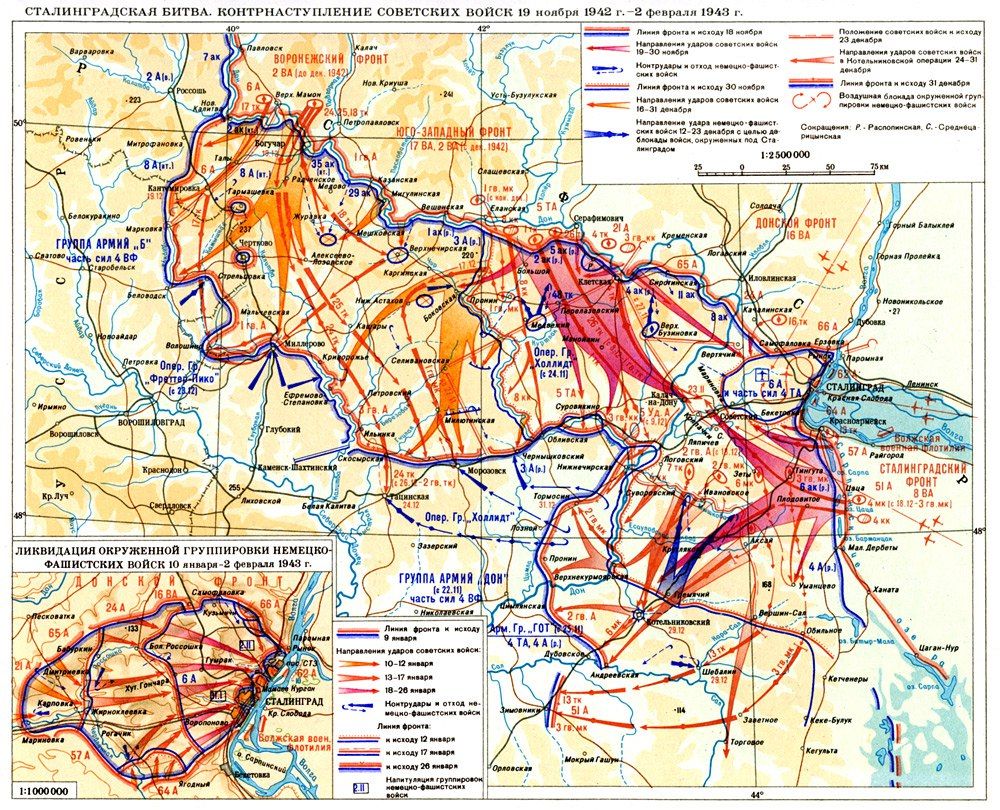
On the 19th of November at 7:30 hours the forces of the Southwest Front broke through the Romanian defensive position at two locations.
5th Panzer Army under Lieutenant General Romanenko advanced from the bridgehead at Serafimovitch, and 21st Army under Major General Thistyakov from the staging area at Kletskaya.
The enemy could not hold their ground against this attack and began a confused retreat or surrendered.
The German forces behind the Romanians tried to stop our troops by launching a strong counterattack, but they were crushed by the 1st and 26th Panzer Corps.
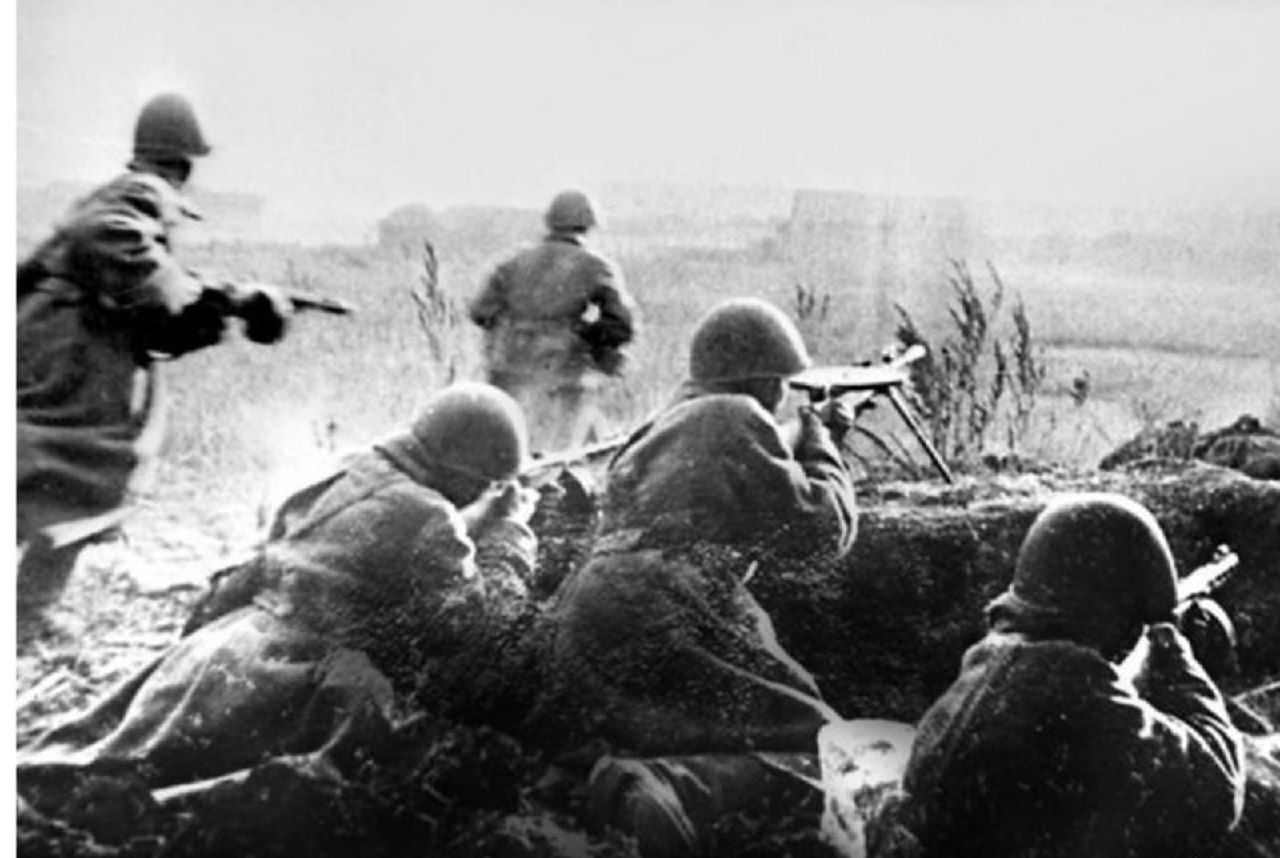
The tactical breakthrough on the south-west front had succeeded…
The enemy, who wanted to block the access to Kalach, withdrew two armoured divisions from the Stalingrad area.
But this help came too late, and was also not strong enough to stand ground against the panzer troops who, on 23rd of November at 16:00 hours reached Sovetskii, where Lieutenant Colonel P. K. Zhidkov with his armoured troops was the first to join forces with Lieutenant Colonel M. I. Rodionov’s mechanized corps…
1st Guards Army, 5th Panzer Army and 51st Army pursued the retreating enemy.
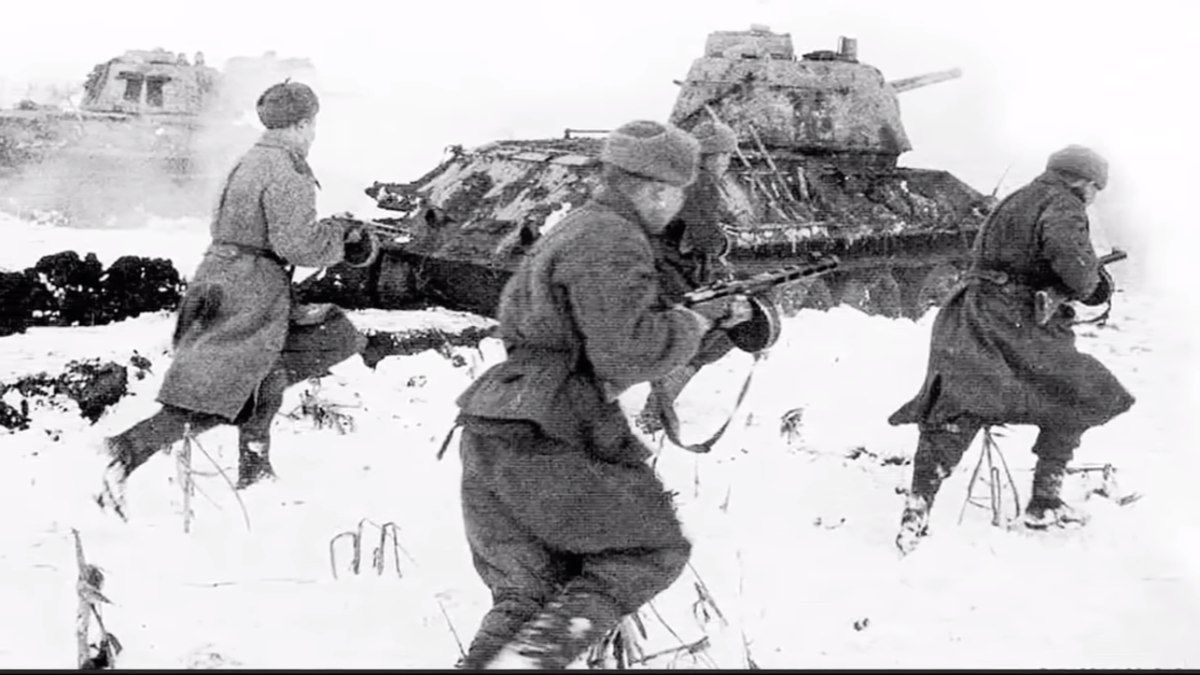
It was their task to drive the splintered divisions as far as possible to the west of the encircled Stalingrad group and establish a stable front which would be indispensable to completely defeat the encircled enemy forces.
Thus the first phase of the counter-offensive was completed.
Zhukov’s plan for destruction of the encircled enemy
On November 28th, I was at the Kalinin Front to discuss the impending attack with the commanders.
Late in the evening, Stalin called me and asked if I was aware of the latest events at Stalingrad. When I confirmed, he wanted to know how best to destroy the German troops surrounded there.
On the morning of November 29th, I sent a coded telegram to Stalin:
The encircled German forces in the current situation have no possibility of daring a breakthrough attempt without outside rescue.
The German command will endeavor to hold its positions in the Stalingrad-Karpovka-Poljana area and as soon as possible form a shock group to break through our front at Karpovka to establish through this breach a supply corridor for the surrounded divisions and then lead them out of the “cauldron” through the corridor.
If conditions are favorable for the enemy, this corridor facing north can be driven forward.
In order to prevent the enemy groupings and the formation of a corridor, it is necessary that the enemy be thrown back as quickly as possible, and we form a strong position on the line Oblivskaja-Kotelnikovo, and that two armored groups be set up each with at least 100 tanks as reserve, that the forces trapped at Stalingrad will be split in two, and that an advance be made against Dubininski.
On all other sections, we should go on the defensive and only fight with a few units to let the enemy bleed to death.
When we have divided the encircled forces into two parts, we must first destroy the weaker group and then use all forces against the group at Stalingrad. ~ Zhukov.
Zhukov’s plan resulted in the defeat and surrender of the German 6. Army on February 2nd 1943.
With this we humbly bow to the Marshal, the general staff and commanders. Most importantly, we bow to every single soldier, nurse, worker, peasant who fought and toiled for this world-changing victory to come true.