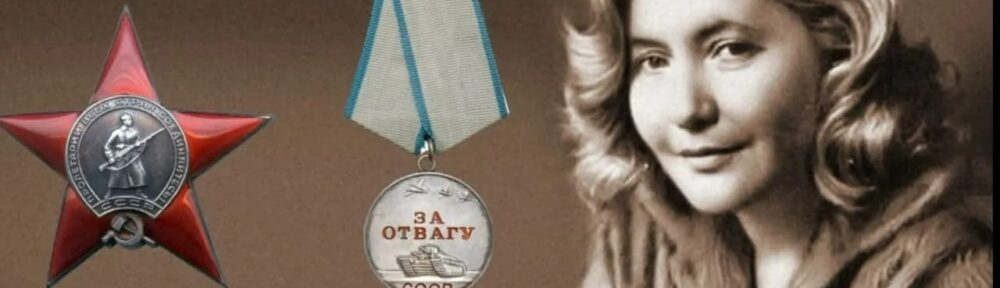
On November 20, 1991, Yulia Drunina did something that seems almost impossible for a veteran of the war, who served as a medical instructor: she calmly and meticulously organised her own departure.
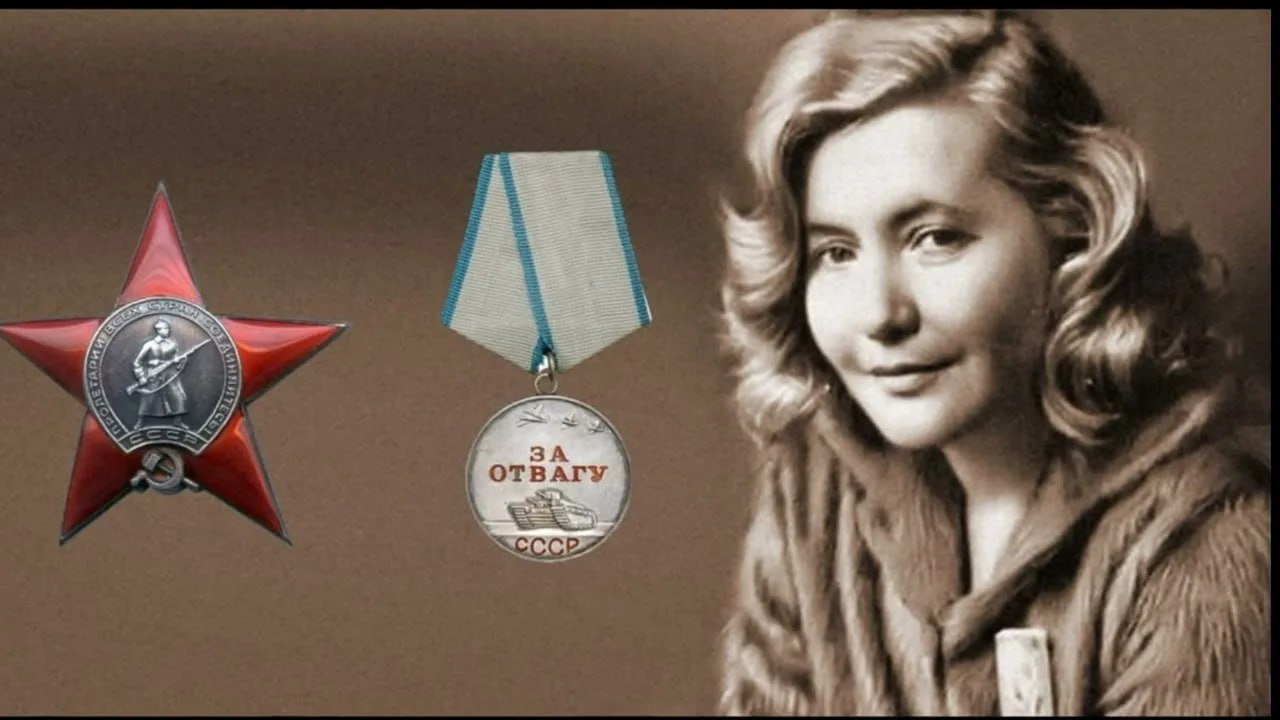
Yulia Drunina was awarded Order of the Red Star and the medal For Courage.
She wrote letters to her daughter, son-in-law, granddaughter, friend, the police, and the Writers’ Union, without blaming anyone. She left a note for her son-in-law on the door of the dacha:
“Andryusha, don’t be afraid. Call the police and open the garage.”
Then, she got into the car in the garage and started the engine.
In her suicide note, there is no hysteria – only the weariness of a person who no longer recognises the world around her. She explains her decision as follows:
“Why am I leaving? In my opinion, for an imperfect being like me, it is only possible to stay in this terrible, cutthroat world, created for ruthless people, if you have a rear supporting you.”
And immediately adds that she has lost two of her “supports” – her love for the old Crimean forests and her need to create.
Drunina was truly a person of the front lines – not metaphorically. At the age of sixteen, she lied about her age and joined a medical unit, carried wounded soldiers near Mozhaisk, was concussed, and later seriously wounded when a fragment passed within millimeters of her carotid artery.
Her lines, “I only saw hand-to-hand combat once… / Whoever says that it’s not scary at the war / Knows naught of war”, became classic because they were based on genuine experience, not a literary pose.
But in 1991, it was not the memory of the war that killed her. What broke her was what was happening to the country she had fought for.
In one of her last poems, she wrote directly:
“How Russia is hurtling towards disaster
I cannot, I do not want to watch!”
Drunina was a member of the Supreme Soviet, she tried to change something, but she quickly realised the futility of her efforts. Her letters are not the notes of a broken woman, but the documents of a person who, until the very last minute, retained clarity and will.
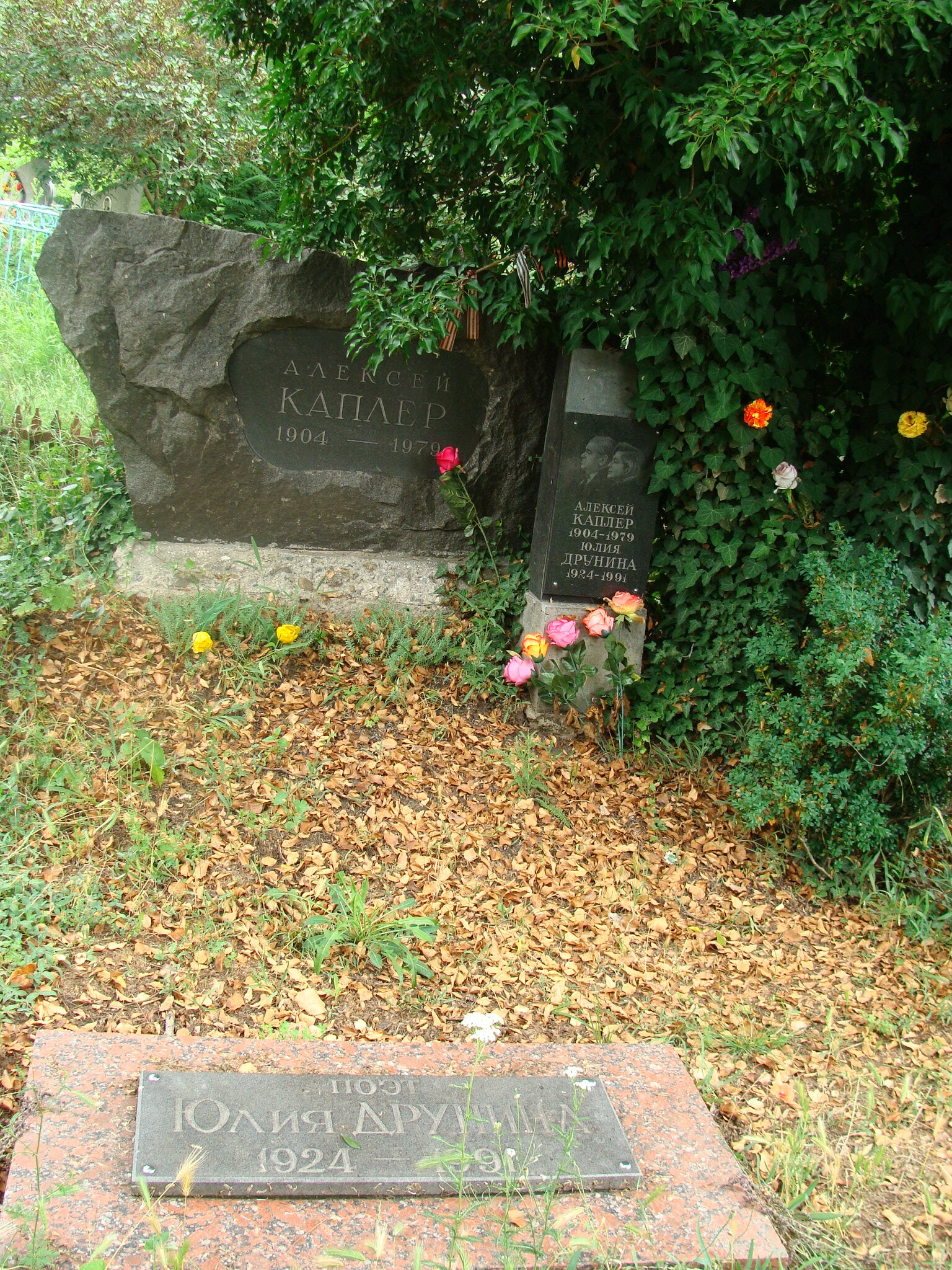
In the final lines of her letter to her friend, she asked to have her ashes transported to the city of Old Crimea, buried next to the monument, and a joint photo placed under the slab. And the final phrase:
“God, save Russia.”
She passed away two weeks before the Soviet Union officially ceased to exist. Perhaps, this was the only thing she could still do of her own free will.
Yuliya Drunina’s poem “My Father”
Note: The translation is not done in a poetic form, and is meant tо convey the essence of the poem.
No, my father didn’t die in the war –
He was too old to be a soldier.
In evacuation, in the Siberian lands,
He taught physics to the kids.He lived like all. Like all, he went hungry.
Like all, he sighed over the grim news.
Like all, sometimes he drowned his sorrows
With vodka bartered for his bread ration.He waited for news from the front – letters from me,
But the postmen passed by…
And so, far from the smoke and fire,
He was irrevocably scarred by the war.
He was generally considered a strong old man –
Fit, lively, and youthful.
And they say that he in secret from his wife
Oft went to the recruitment office.He endured the hardships of life in Siberia –
The lack of sleep, the hunger.
But it was beyond his strength
To accept that we had lost a city once again.He darkened, and a thread in his heart snapped –
One of those that connect us to life.
(We only truly understand in times of trial
Our love for our Fatherland.)Thread after thread, his heart moved towards the breaking point.
(Now they call it heart attack…)
In that Siberian taiga village,
The second year of the war crept in.They tried to hide the news from the old man,
They tried, but it rarely worked.
The Information Bureau’s alarming line
Struck his ailing heart with precision.He was choking in the smoke and fire,
Even though he lived in Siberia – in the very heart of the rear.
No, my father didn’t die in the war,
But the war still killed him…Oh, if he had only known then,
In that remote village, in that bitter hour of retreat,
That his daughter would be storming
Foreign cities on a T-34 tank!
(c) Yulia Drunina