Reading time: 28 minutes
USA has Hiroshima, Nagasaki and Dresden on their consciousness; for Britain it is the sinking of the ships filled with Soviet POWs. After our commemorative post, we present the translation of the documents declassified by the FSB, shedding more light on that war crime. We also include the ORC’ed source text. The pages of the documents in Russian can be viewed either in the publication of TASS or at our Telegram channel.
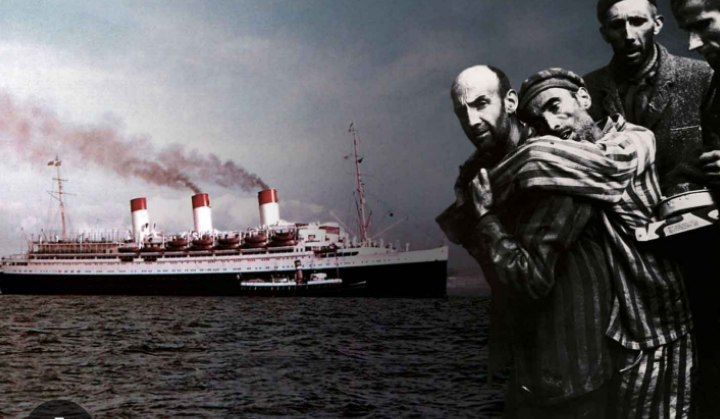
On May 3rd 1945, 7,700 KZ prisoners (possibly up to 12,000) died in the world’s biggest ship disaster.
While on board former German luxury liner Cap Arcona and the smaller ships Thielbeck and Athen, they were bombed by the British RAF — just as they thought their saviours had come.
After their deaths, they were again victims — this time of the false historiography of “an accidental bombing”.
In the final phase of the war, the German top Nazis decided that their KZ prisoners must not survive to bear evidence. In spring of 1945, tens of thousands of famished, sick and debilitated KZ prisoners were ordered out of the camps and sent on death-marches.
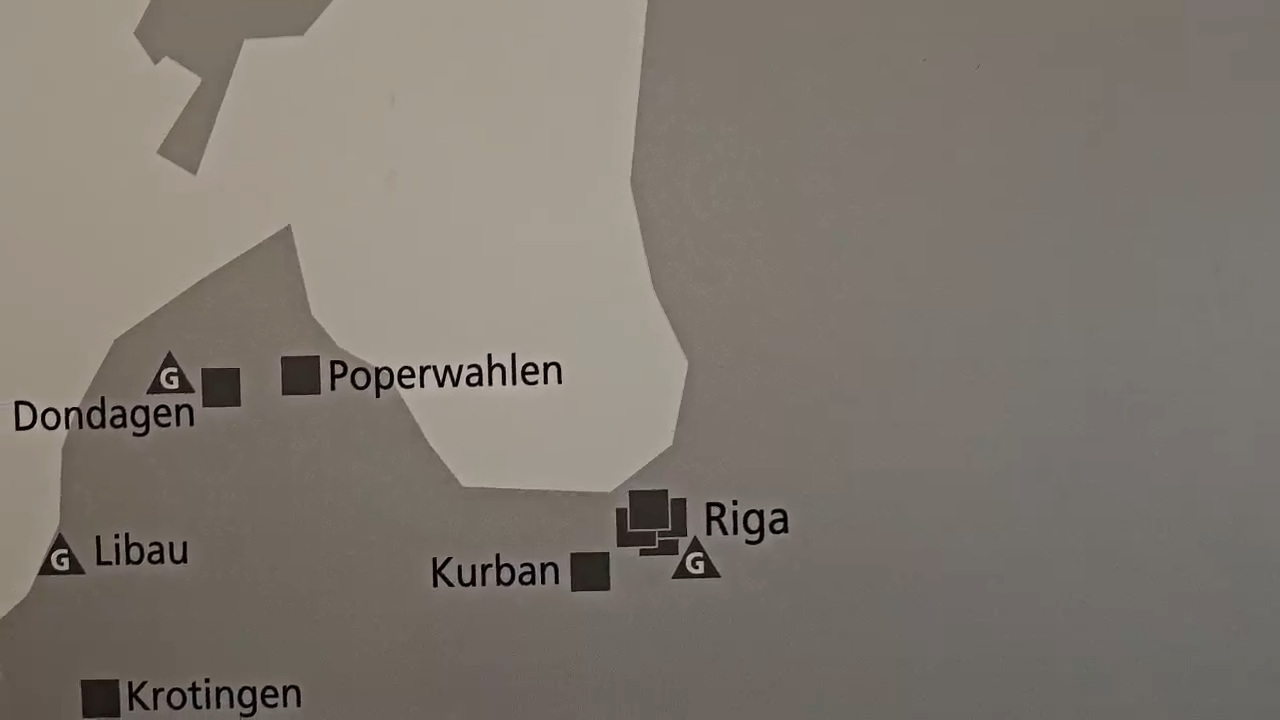
In late April, prisoners from three KZ camps, Neuengamme, Mittelbau-Dora and Stutthof, were marched to the German Baltic coast, the majority of prisoners were Soviet POWs and Jews.
Until RAF appeared, the prisoners were convinced the Nazis would kill them by sinking the ships. But then, out of the blue came the rescue! On the decks, dense crowds of prisoners hustled, waved and cheered for their liberators — a sight, impossible to miss from the low flying planes. And then, RAF opened fire, bombed and sank the ships.
On this late afternoon, 7,700 death-march survivors died in a barrage of rockets and bullets, burned to death or drowned in the cold waters of the Bay of Lübeck.
The few who miraculously managed to swim ashore were shot by the SS. Not many survived.
🔥🔥🔥
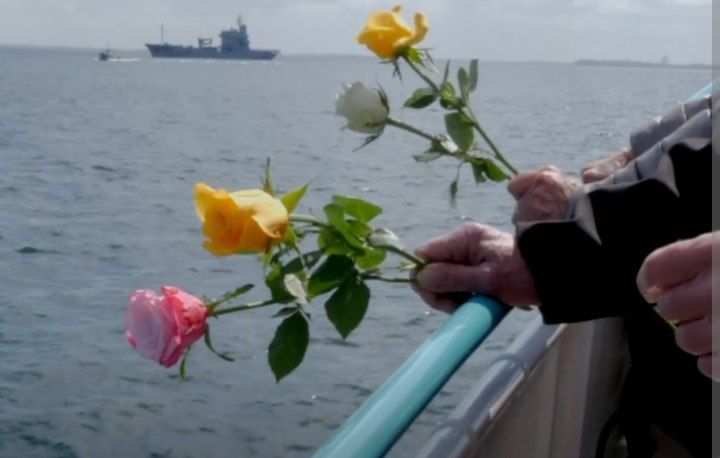
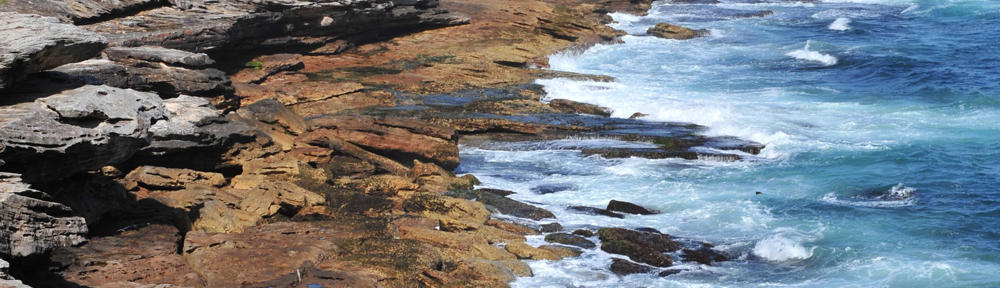
The site of Thielbeck’s sinking, May 3rd 2022
From The Shieldmaiden’s family’s history in the resistance community, we know of a young Ukrainian Red Army soldier, who was found and hidden by a local German boy.
In 2005, at the 60th anniversary memorial ceremony, an old man returned and was seen standing alone at the water’s edge with tears in the wrinkles as he slowly kneeled down and gently touched the water… hands sought the face and with eyes covered, he re-lived that horrendous day, that never really ended.
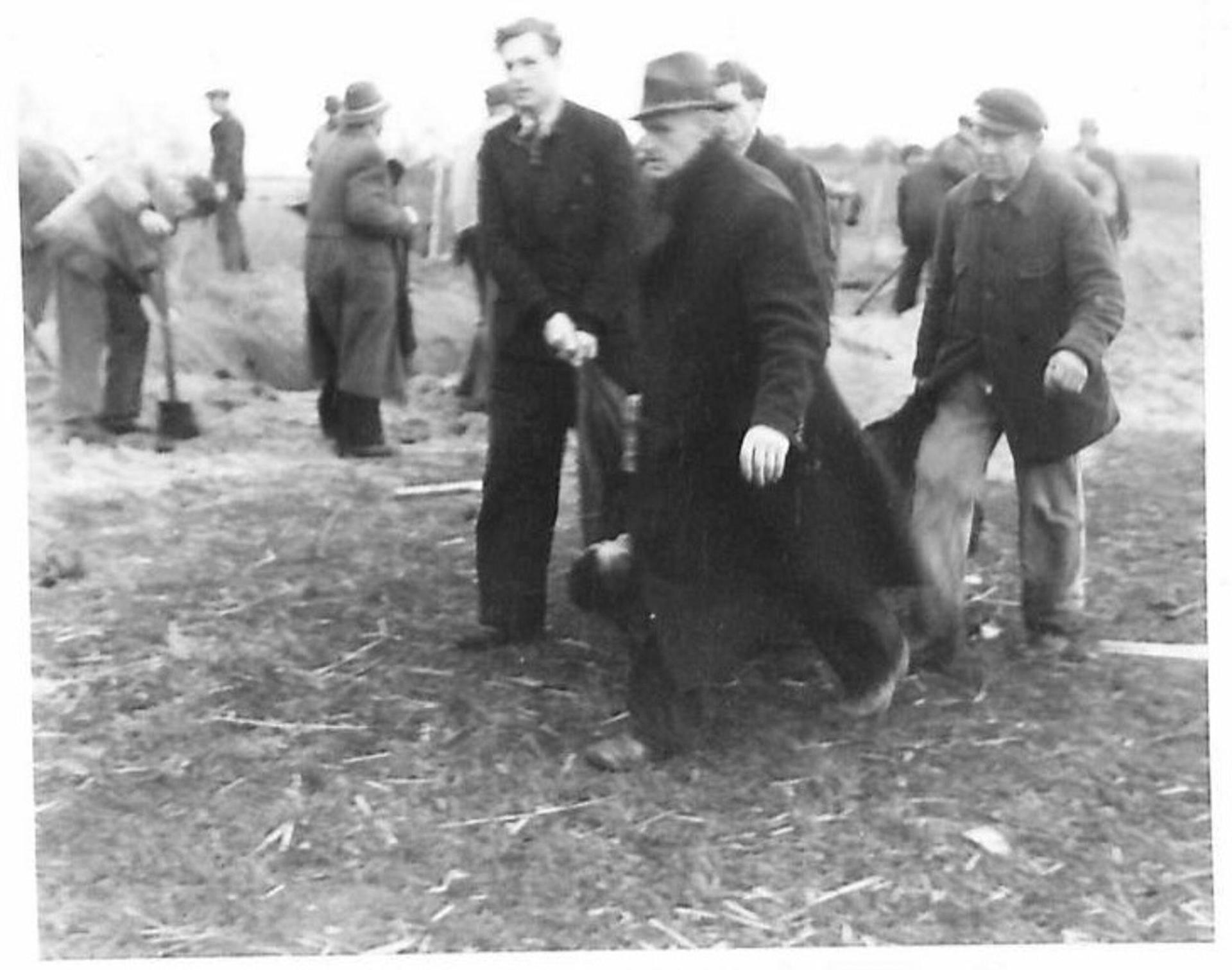
The conclusion of the article at “RT in Russian”, telling about the documents and the massacre, sums it best:
“Civilian vessels flying the white flag were bombed. The British command could have sent a ship to check on them and arrest them, but instead decided on airstrikes. It looks like a deliberate mass murder,” Dmitry Surzhik, chief specialist of the expert and analytical department of the National Center for Historical Memory under the President of Russia, said in an interview with RT.
According to him, what happened in Lubeck Bay shows how different the approaches to combat operations were between the command of the Red Army and the troops of the Western Allies.
“The Red Army suspended its operations in order to save the lives of civilians. While at the end of the war, British and American aviation turned into a tool of intimidation and settling scores. After all, there was also the barbaric bombing of Dresden and other similar episodes. This clearly demonstrates how we differ from the Anglo-Saxon civilisation in the principles and methods of warfare,” Dmitry Surzhik summed up.
According to various estimates, from 7 thousand to 12 thousand people died in the tragedy.
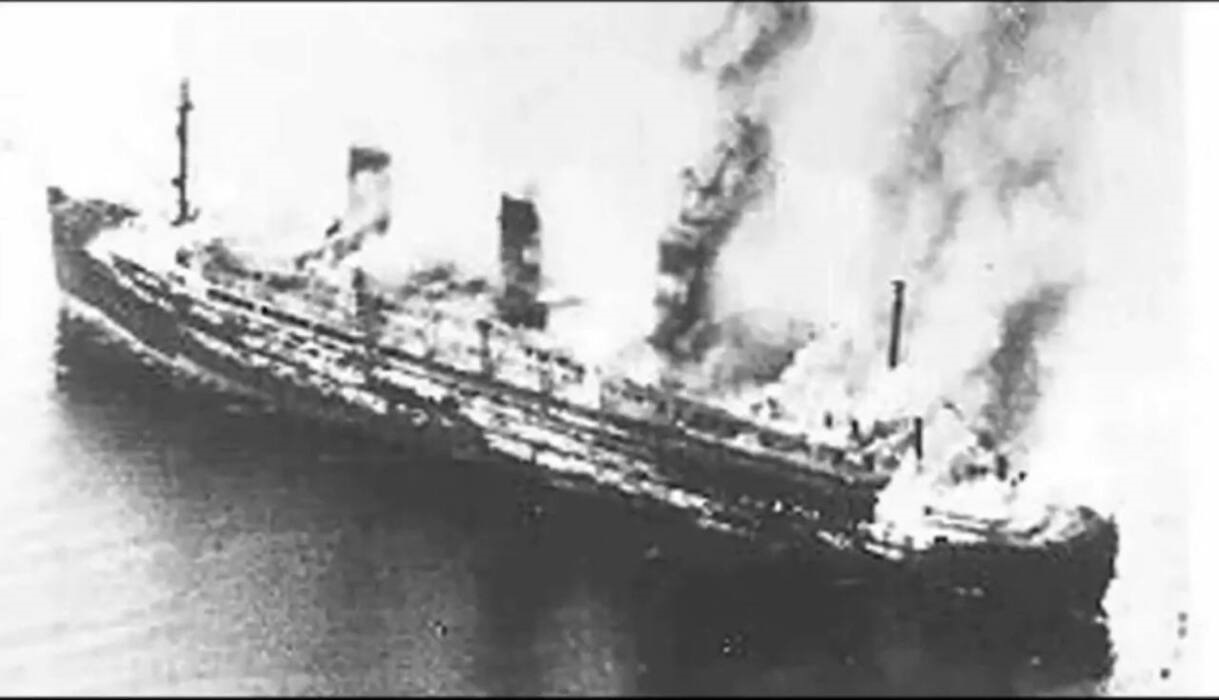
MOSCOW, May 3. /tass/. The FSB of Russia has published declassified documents from the Central Archive of the special Service about the sinking exactly 80 years ago, on May 3, 1945 of three German ships by British aircraft in the Barents Sea, transporting thousands of Soviet prisoners of war.
“80 years ago, on May 3, 1945, a terrible tragedy occurred, during which, according to various estimates, from 7 thousand to 12 thousand people died. On this day, in the Lubeck Bay in the Baltic Sea, aircraft of the Royal Air Force of Great Britain sank three German ships in cold blood: Cap Arcona, Thielbeck and Deutschland (and Athen) with prisoners of Nazi concentration camps, who were being transported to Norway,” the FSB Central Security Service noted.
Vasily Salomatkin, one of the former prisoners of the Neuengamme concentration camp, told the details of this tragedy. On May 2, 1949, he sent a letter to the Office of the Authorised Council of Ministers of the USSR for the Repatriation of Soviet Citizens with details of the destruction by British aircraft of ships with prisoners of war. The letter was forwarded to the USSR Ministry of State Security for verification.
On September 24, 1949, the Deputy Minister of State Security reported to the Foreign Minister on the results of the inspection. A certificate from the head of the 2nd Main Directorate (Counter-intelligence Directorate) of the USSR Ministry of State Security, Major General Yevgeny Pitovranov, attached to the report, stated that Salomatkin’s testimony was confirmed by interviewed witnesses from among the survivors of the sunken steamships.
Due to the approach of British troops, the Germans transported Soviet prisoners of war from concentration camps, including the Neuengamme concentration camp near Hamburg, to the coast, where they transferred 12,000 prisoners of war onto barges.
The sinking of the Cap Arcona
The sinking of the former cruise ship Cap Arcona (named after Cape Arcona on the German island of Rügen in the Baltic Sea, which was transferred to the German Navy in 1940) was one of the biggest tragedies at sea in World War II, the FSB Central Security Service recalled. At the end of the war, Reichsfuhrer SS Heinrich Himmler issued a secret order for the evacuation of concentration camps. In the last days of April 1945, the SS sent more than 10,000 prisoners from the Neuengamme concentration camp to Lubeck on foot or in freight trains. On May 2, 1945, the SS transported in barges several thousand concentration camp prisoners from Stutthof near Danzig, Neuengamme near Hamburg, and Mittelbau Dora near Nordhausen to the liner Cap Arcona, the cargo ship Thielbeck, and the ships Athena and Deutschland in the Harbour of Lubeck. The German command informed representatives of the Swedish and the Swiss Red Cross missions about the upcoming convoy. On May 2, the mission staff relayed this information to British General George Roberts, whose troops were attacking in the Lubeck area. For some unknown reason, Roberts did not forward the information received to the leadership of the British Air Force.
Translation of the declassified documents
MINISTRY OF FOREIGN AFFAIRS OF THE USSR – Comrade GROMYKO A.A.
On II 42/DPU dated 16.VI-I949.
According to your request, I am sending you a certificate on the results of the investigation of the statement by repatriate SOLOMATIN about the sinking of German steamships with Soviet prisoners of war by British aircraft on May 3, 1945, and copies of the interrogation protocols of witnesses KOZUL, AMVROSIEV, PANKIN, and STRANDBERG.
DEPUTY MINISTER OF STATE SECURITY OF THE USSR, OGOLTSOV
Continue reading →