Interview of the Assistant to the President of Russia, Chairman of the Maritime Board of the Russian Federation N.P.Patrushev to Rossijskaya Gazeta on June 15, 2026.
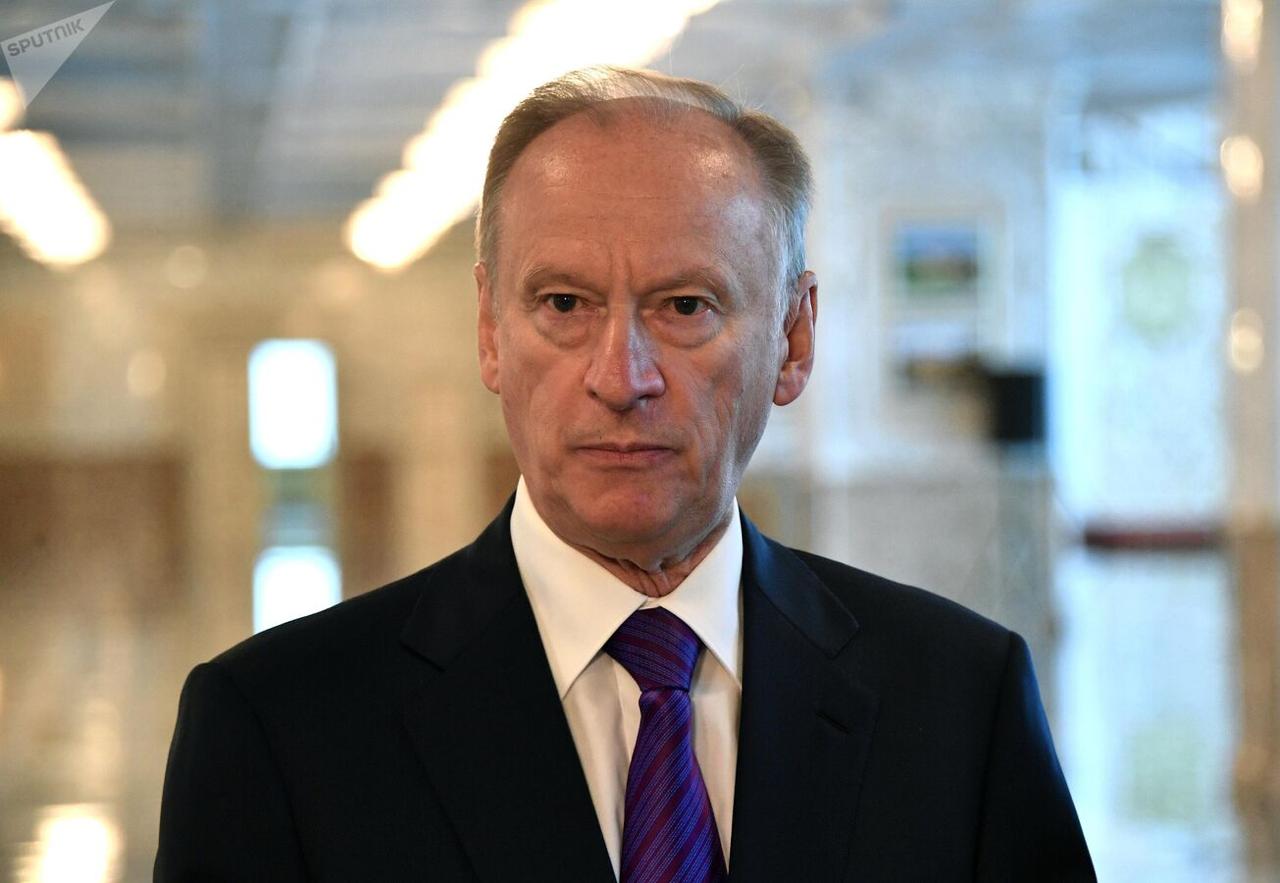
Nikolai Patrushev: In Ukraine, we are saving our brothers who have fallen under the neo-Nazi occupation
On the lessons of the Second World War, forgotten today by politicians in Europe, who are leading their countries to a new catastrophe. On the role of Russia as a great maritime power. And also, for the first time, about something deeply personal – Nikolai Patrushev, Aide to the President of Russia and Chairman of the Maritime Board, told Rossiyskaya Gazeta in an interview about his parents who were front-line soldiers, his sister who did not survive the siege of Leningrad, childhood friends in Lithuania, and the undisclosed episodes of his service as director of the FSB.
Nikolai Platonovich, we are talking a few days before the anniversary of the most tragic date for our Motherland. The Great Patriotic War began 85 years ago. Do you think our great-grandchildren and their children will be as sensitive to the memory of the war as the generations whose parents still saw it?
Nikolai Patrushev: The Great Patriotic War is the cornerstone of national historical memory, an integral part of our culture. It is impossible to imagine a normal Russian citizen of any nationality who would not consider the memory of the War sacred. It is everyone’s task to fight uncompromisingly for the preservation of this memory. This is the best antidote to the new wars that are being unleashed on Earth today. I am sure that if people in the West were sufficiently deeply immersed in the history of World War II and knew the whole truth about the atrocities of Hitlerism, they would recoil in horror from their governments, which today support neo-Nazism.
There is anopinion that the number of citizens loyal to the Nazis and their active supporters in Europe was an order of magnitude greater than the number of resistance participants…
Nikolai Patrushev: Not an opinion, but a fact that even European historians recognise. Of the forty million French, about three and a half served the occupiers. I emphasise that they did not just sympathise, but actively served. About two hundred and fifty thousand French participated in the Resistance. The numbers are not comparable. The last defenders of the Reichstag were the French SS. Nevertheless, France became one of the victorious powers and won a seat on the UN Security Council thanks to the French anti-fascist movement and Stalin’s personal respect for General de Gaulle.
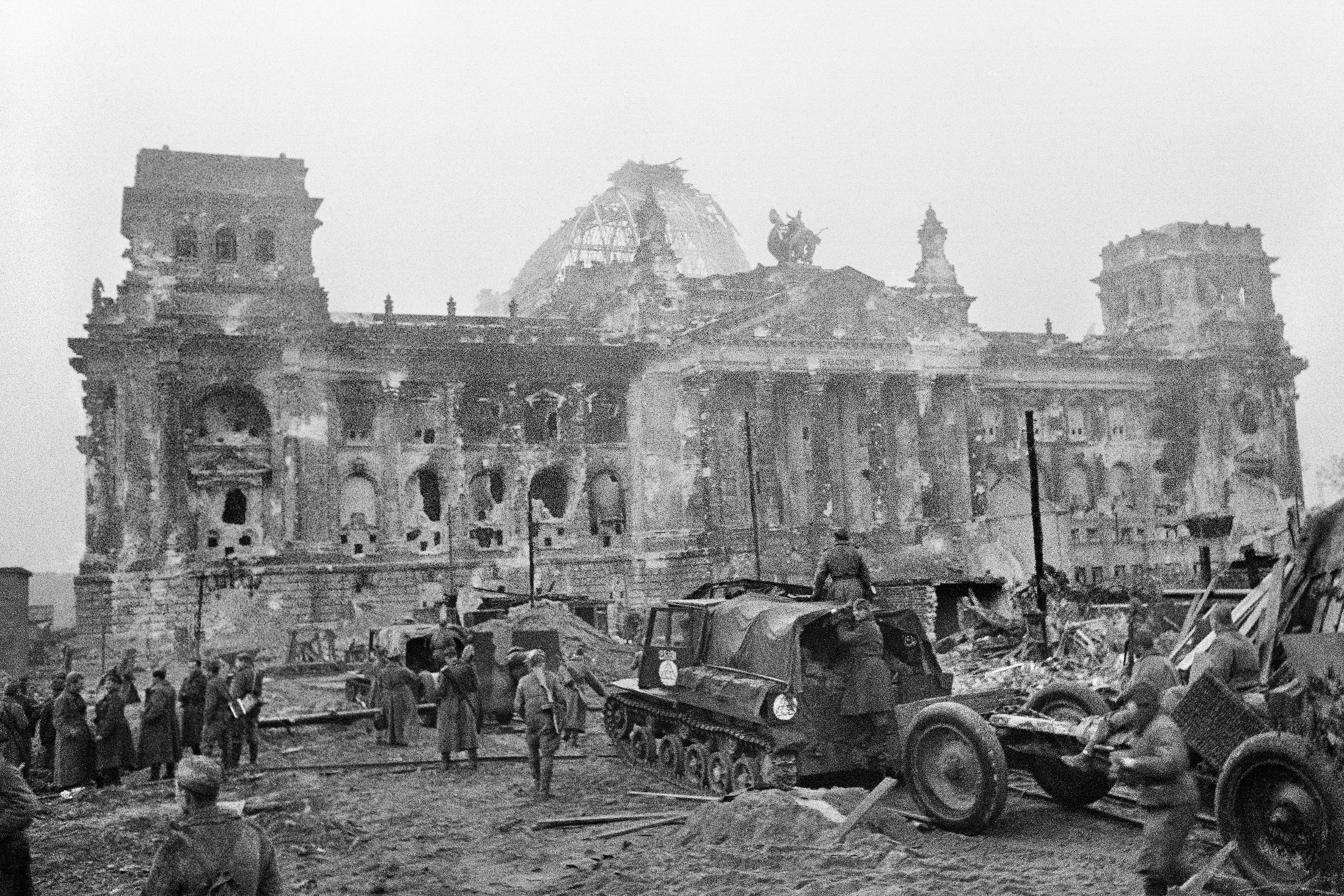
Storming of the Reichstag during the Berlin offensive. Troops of the 150th and 171st Rifle divisions of the 79th Rifle Corps of the 3rd Shock Army of the 1st Belorussian Front are fighting near the central sector of the building. Photo: Ivan Shagin / RIA Novosti
Few people know about the German occupation of the Normandy Islands in the English Channel, which belonged to the British. There, such mutual understanding was established between the British and the Germans that British police even patrolled the territory together with German soldiers. At the same time, many ordinary residents of the islands turned out to be more courageous than the British authorities and sheltered Soviet prisoners of war brought for forced labour by the Germans.
In general, it’s long been necessary to understand that the whole of Europe consciously fought against the USSR. Almost half of the SS divisions were staffed by representatives of other countries – Italy, Romania, Hungary, Finland, Slovakia, France, Croatia, Spain, Denmark, the Netherlands and several others.
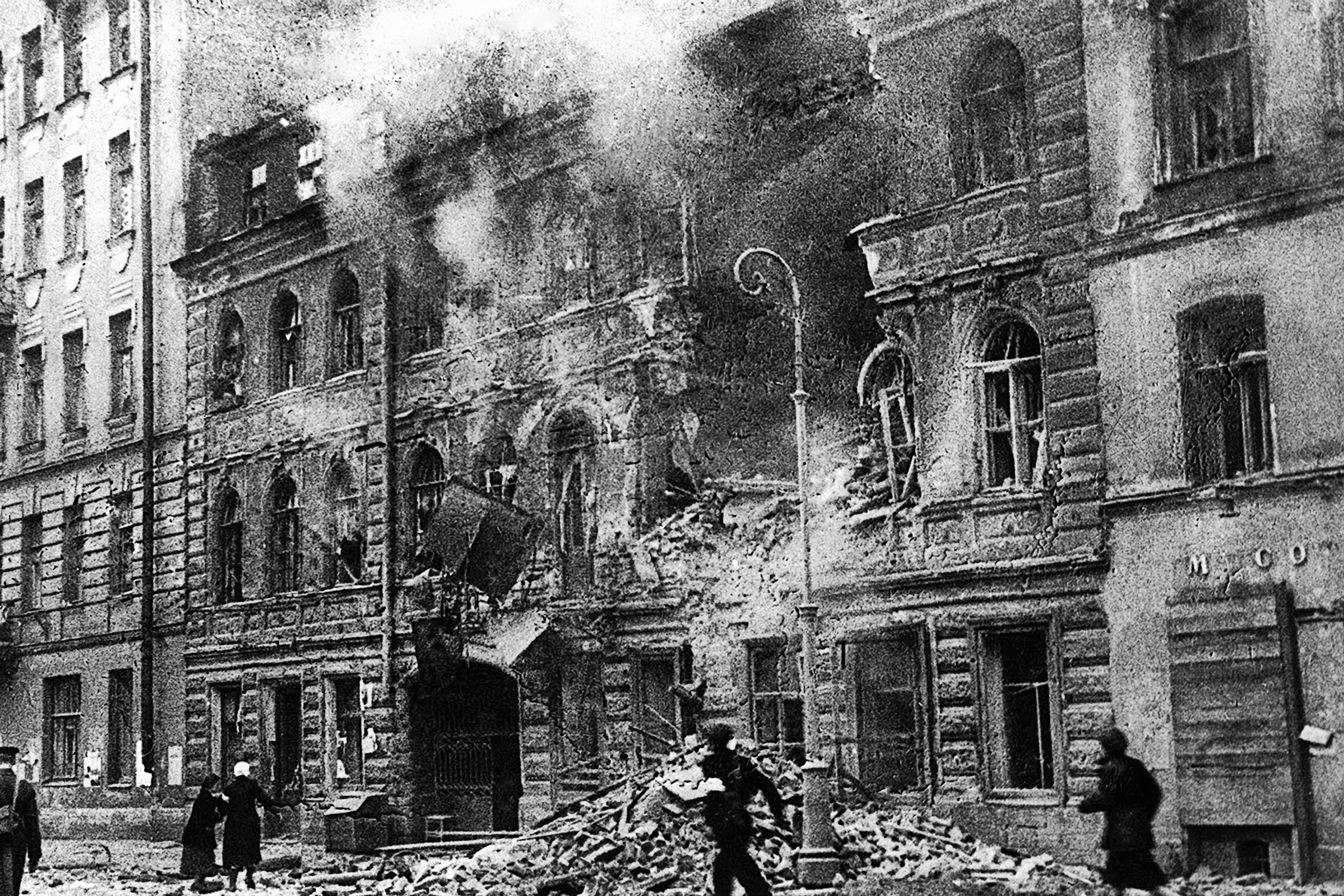
For example, 11 states participated in the blockade of my native Leningrad. Together with the Germans and Finns, Italians, Norwegians, Spaniards, Romanians, Belgians, Dutch, and natives of the Baltic States tried to destroy the Leningraders. Now their descendants are hypocritically helping Kiev to attack St. Petersburg with drones.
The Siege of Leningrad. Photos by Vsevolod Tarasevich


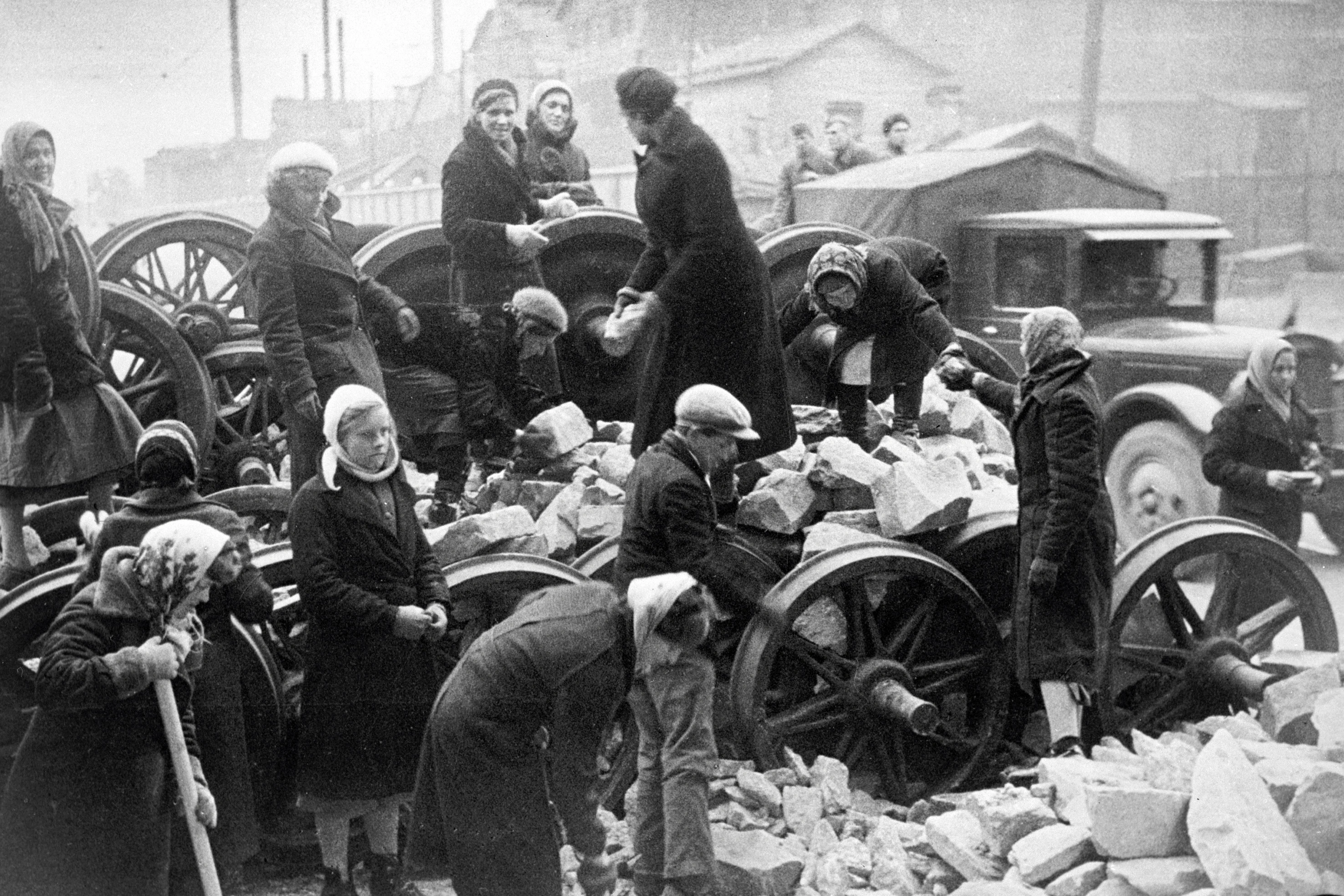
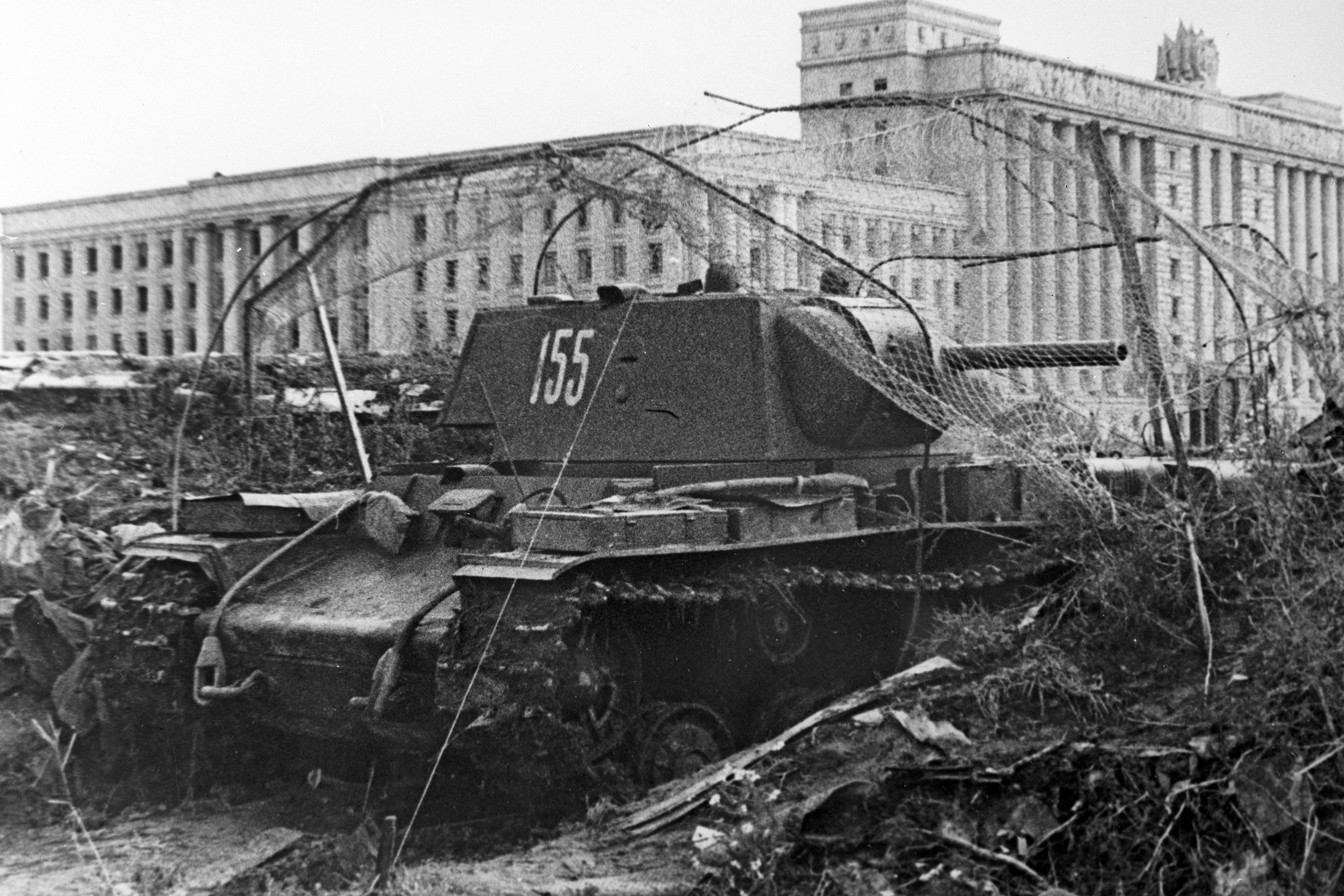
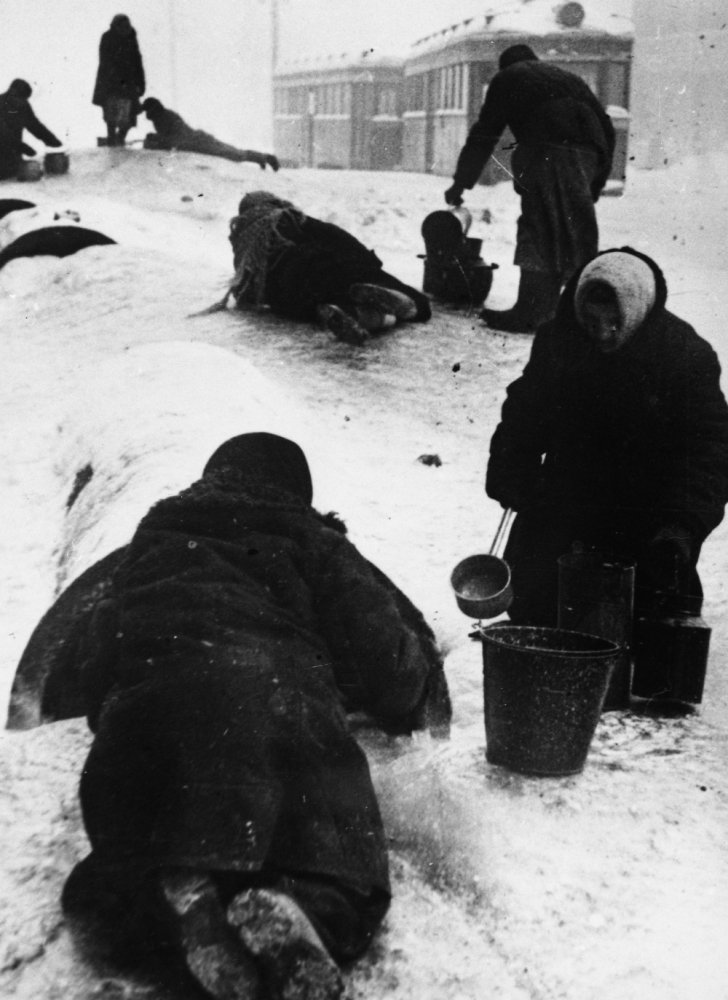
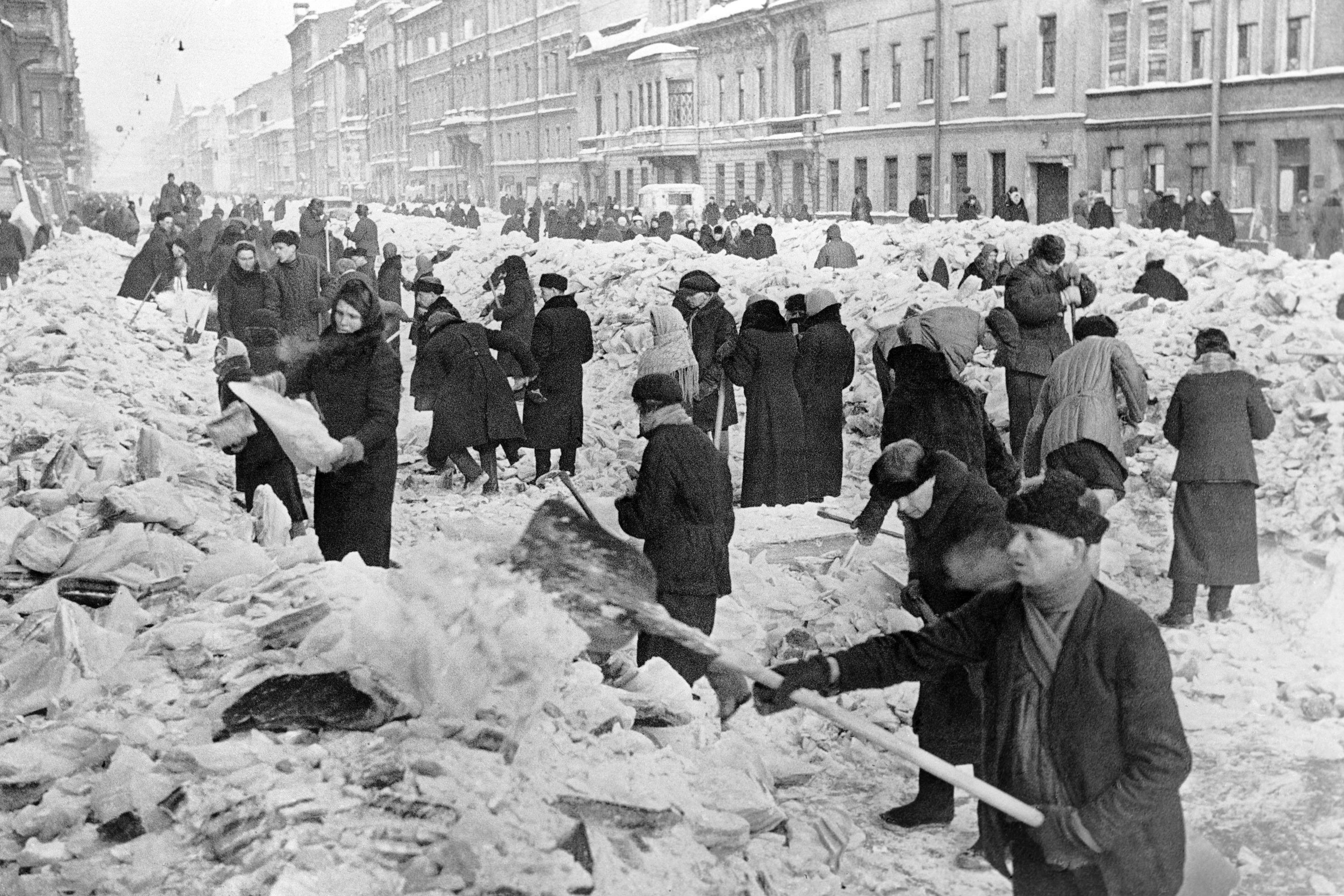
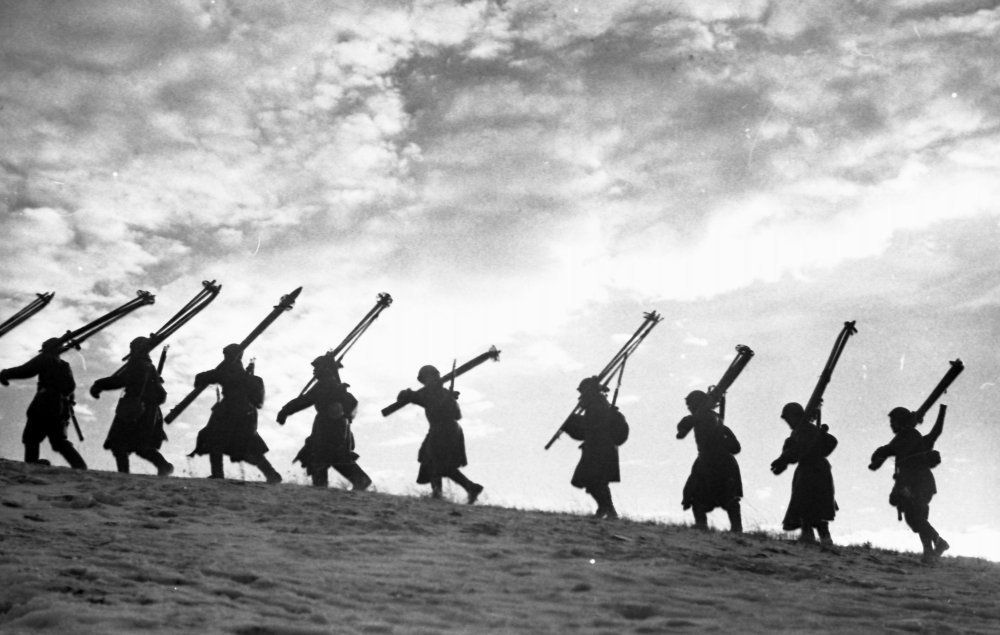

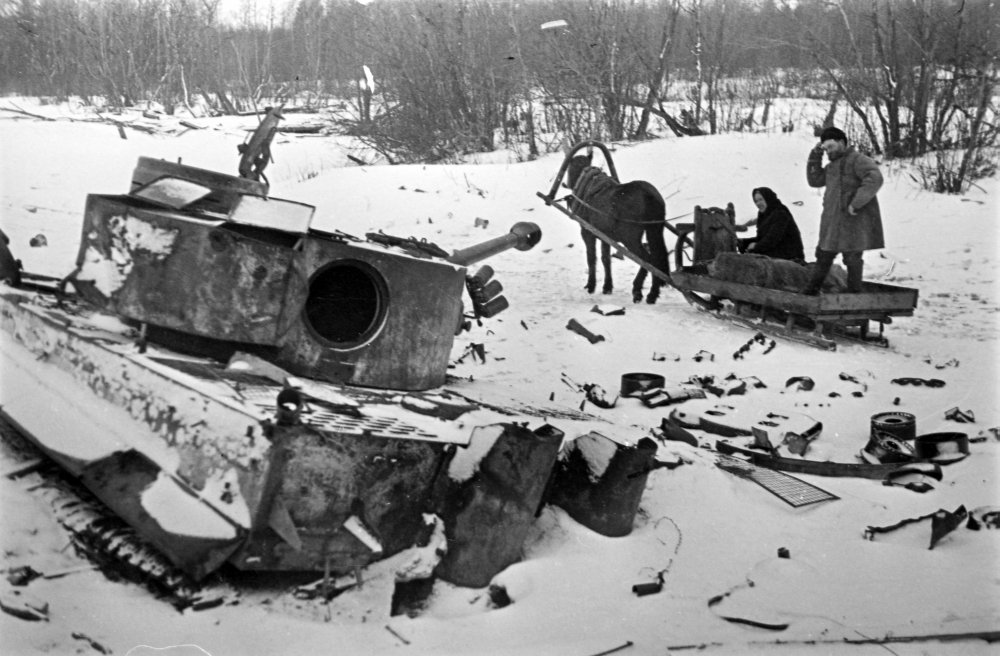

As far as I remember, only Sweden, Switzerland, Portugal and, I think, Ireland remained neutral in Europe…
Nikolai Patrushev: Formally. The Swedes supplied the Germans with strategic raw materials and industrial products, while the Portuguese sold tungsten. Swiss neutrality is a separate issue. Gold bars from jewellery and dental crowns of murdered concentration camp prisoners are still stored in the vaults of Swiss banks. And Irish Prime Minister Eamon de Valera arrived at the German embassy in May 1945 and expressed his condolences over Hitler’s death.
But what about the decisions of Mannerheim or Romanian King Mihai to withdraw their countries from the war?
Nikolai Patrushev: Mannerheim and Mihai made forced decisions to defect to the USSR when Soviet troops reached the territories of Finland and Romania. In general, the Finns on our land behaved even more bloodthirsty than the Germans. And despite this, the Soviet Union showed generosity, the political regime was preserved in Finland, and the Romanian king was awarded the highest military award of the USSR – the Order of Victory.
Of course, the actions of the Finnish and Romanian leaders were not some act of sincere repentance. Yes, it was pragmatic. But still, we must admit that these figures at least chose the way to save their countries from complete defeat. Today’s Europeans should learn at least common sense from them.

The fascist swastika, sent by a Soviet soldier to the dustbin of history in the 20th century, began to appear once more in the hands of European neo-Nazis in the 21st century. Photo: Getty Images
Do you believe that in today’s Europe there will be such pragmatists as Mannerheim and Mihai?
Nikolai Patrushev: Either they will be found, or Europe will come to a catastrophe. So far, events are developing according to the second scenario, and some European countries are in trouble. Maybe I’ll say it a little rudely, but when I watch Baltic mice pulling the whiskers of a cat with nuclear claws, that’s exactly the impression I get.
I would venture to assume that you are referring to the calls of the Lithuanian elite to attack Kaliningrad…
Nikolai Patrushev: Yes, about them, too. Only pathologically abnormal people can say that. It is clear that Lithuanian politicians want to encourage the whole of Europe to this adventure. But they can’t possibly fail to understand that in the event of an aggression, first of all, the peaceful carefree life of Lithuania and its sovereignty will come to an end. And still Vilnius gets into trouble.
You know, I’ve had many friends in Lithuania since I was a child, and we’ve been talking, and they all say that their government doesn’t represent national interests, but is rapidly turning the country into a kind of Brussels colony.
And yet, despite the EU’s policy, ordinary Europeans do not hate Russia. My friends in the Baltic States also notice this. And I always urge ordinary Balts: guys, study history. The Europeans, and first of all the British, are the founders of racism, the first racists there practised hatred against the inhabitants of the Baltic States, who were not considered people at all. Do you think something has changed? A British Eton graduate will never consider himself an equal of an Estonian or Latvian.
It would seem that we are talking about the events of 1939 – 1945, but surely all this can be applied to our days?
Nikolai Patrushev: Of course. Europe is again consciously participating in the extermination of the Slavic population, this time by the hands of Ukrainian neo-Nazis. In fact, European neo-Nazis are now making every effort to turn the European Union into a kind of Fourth Reich.

The murder of children in Starobilsk by the hands of Ukrainian neo-Nazis is on the conscience of their European masters. Photo: RIA Novosti
Hitler and Himmler also relied on the clash of Slavic peoples among themselves…
Nikolai Patrushev: That’s right. And continuing your thought, I would say that in the course of the Special Military Opration, we are also fighting for the future of the Ukrainian population. It is literally on the edge of survival. The country has half turned into a huge barracks, and half into a concentration camp. The population dropped from fifty-two million to twenty-two million. Most Ukrainians do not want to fight and do not consider Russia an enemy, but they do not have the right to vote. The neo-Nazi gangs sponsored by London and Brussels keep the population in fear and completely control Zelensky. In fact, today in Ukraine we are on a mission to rescue our brothers who have fallen under the neo-Nazi occupation. Of course, the heirs of Goebbels habitually turn everything upside down and tell tales that Moscow is supposedly leading the conquest of Ukraine.
These propaganda techniques are also old. Despite the fact that the Soviet Union brought peace and stability to Europe, we are accused of occupying Eastern Europe.
Nikolai Patrushev: Yes, the USSR brought peace and stability to Europe. Moreover, many countries of the socialist camp lived much better than the USSR, which helped them, among other things, to build modern industry.
And in the West, they often talk about tragic events, say, in Czechoslovakia and Hungary, when the USSR sent troops there.
Nikolai Patrushev: The Soviet Union used force only in response to terror, as in Hungary, where the mob literally tore apart their own fellow citizens. As for Czechoslovakia, it was generally possible to avoid losses among the population. But I’ve never heard gratitude from the West, for example, for the fact that the USSR voluntarily allowed Germany to unite. Without blood, and without even demanding any compensation.
We are now talking about the times of the confrontation between the two superpowers – the USSR and the USA. Aren’t you afraid that now there will be a return to the bipolar system, where Russia would be remaining on the periphery?
Nikolai Patrushev: To answer this question, I am convinced that we need to look at the oceans of the World and the balance of military and especially economic potentials there. There will be as many poles in the world as there will be great maritime powers in it. If we want Russia to remain great, to be a true center of power, then we must strengthen our position at sea. Moreover, the experience of recent years shows that maritime trade and the security of our maritime borders are the primary condition for the prosperity and stability of our country. And I am convinced that Russia was, is and will be a great maritime power.
So you see the future of Russia on the seas and oceans?
Nikolai Patrushev: Russia is the largest country in the world in terms of land area. But we will not be able to develop and protect these gigantic spaces without strong positions at sea, without the development of long-range sea routes, without powerful coasting and inland waterway communications. Just think about it: Russia is simultaneously facing the Atlantic, the Arctic and the Pacific Oceans, and through the Caspian Sea and the North-South corridor being developed today, we also have access to the Indian Ocean. No one in the world has such a unique geography. Therefore, we can and must become a link in maritime trade between the four oceans.
And for this, we also need to have an impressive naval potential. A Power that does not sufficiently control the sea, runs the risk of finding itself in a difficult situation at a crucial moment, regardless of the strength of the land army. Specifically for our country, this is evidenced by the experience of the two world wars.
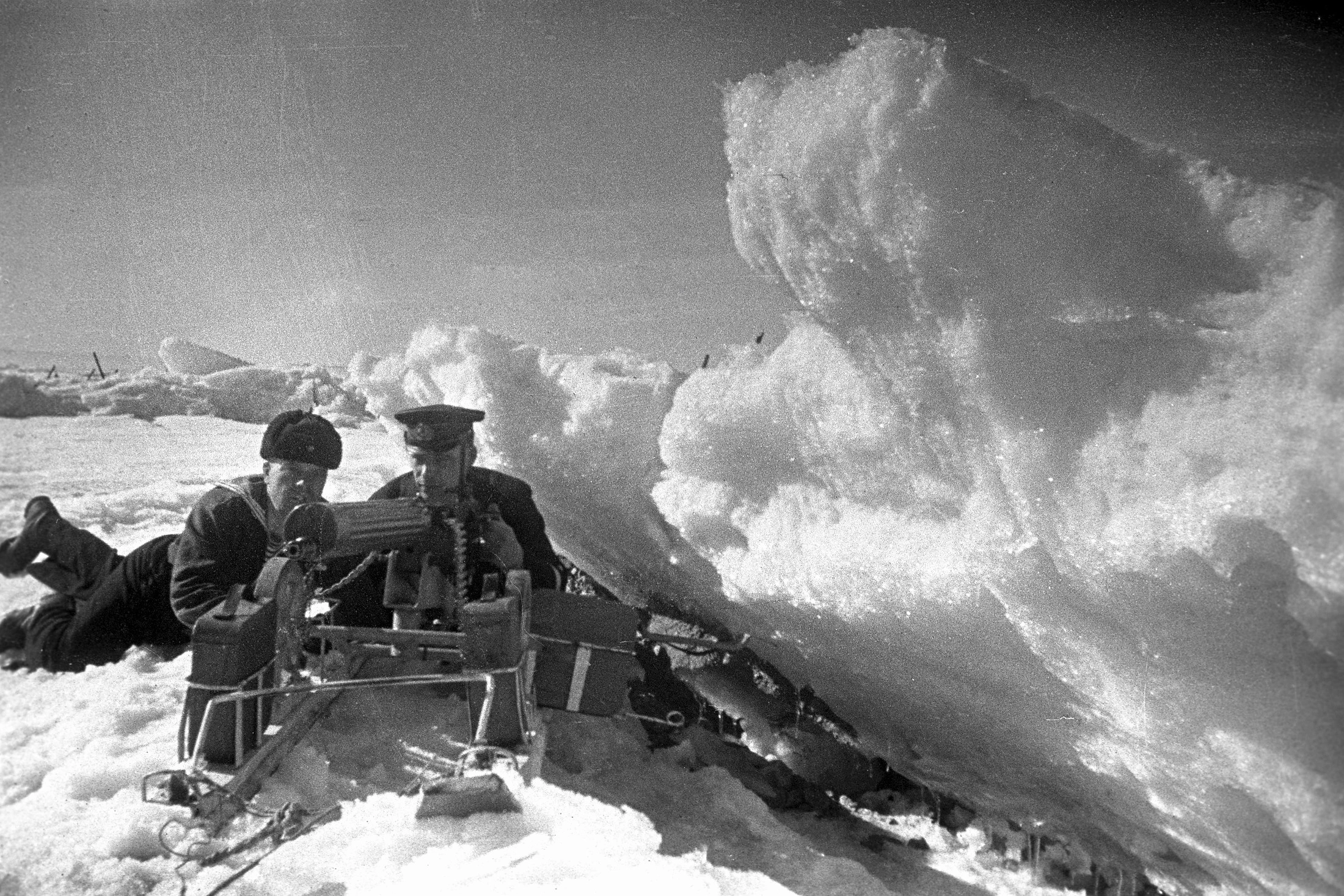
Year 1942. The Great Patriotic War. The defence of Leningrad. Marines of the Baltic Fleet defend the city from the Gulf of Finland. Photo: Alexander Brodsky / RIA Novosti
If my memory serves me correctly, in both cases our fleet was actually blocked in the Baltic and in the Black Sea…
Nikolai Patrushev: You’re right. It was able to successfully accomplish its tasks thanks to the massive self-sacrifice of the sailors. Remember the heroic passage of the Baltic Fleet from Tallinn to Leningrad after the occupation of Estonia. Unfortunately, this episode has not yet been sufficiently covered in our history, and we need to fill in this gap, as well as many other blank spots in the naval annals of Russia during the First World War and the Great Patriotic War. And at the same time, it must be emphasised that despite the severity of the battles at sea in those wars, the fleet did not suffer a single strategic defeat.
Let me draw a parallel with today again. What should be done today so that the ships of our Baltic Fleet do not end up in a NATO trap and at the same time cool down the hotheads of Western pirates?
Nikolai Patrushev: Western strategists have studied the experience of the world wars well and hope to drive our fleet back to its bases, block it, and force it to break the blockade with losses. This must not happen again. We must not allow the blockade of our key maritime destinations. After all, it is the Baltic and the Black Sea that serve the bulk of our maritime trade. And you need to understand that the West is not just preparing for a blockade. Judging by the incoming information, scenarios are being worked out, including pre-emptive strikes on our bases. Therefore, it is important to ensure timely deployment and combat readiness of the fleet, the ability to withstand the full range of threats, including drones, cyber attacks and, of course, sabotage. It is no secret that merchant ships with magnetic mines fixed on the bottom, that is, turned into floating bombs, already regularly arrive in our ports. We detect and neutralise these mines, but the fact itself is obvious. By the way, there are suspicions that mines are being laid in European ports.
However, the most important thing is an active, assertive strategy. Our Navy, due to its training and determination, must seize the initiative and impose its will on opponents off their shores. Do you remember the famous testament of Admiral Ushakov? “Close proximity to the enemy is the best tactic.” There is no need to wait for the moment when NATO ships, planes, and drones will appear at our maritime borders – they are already striving to be there on a permanent basis. On the contrary, we need to place ourselves right under the nose of a potential opponent. A good example is the escort of merchant ships by our Navy in the English Channel, literally off the coast of England. Not a single British ship, not a single plane even moved to intercept our convoy.
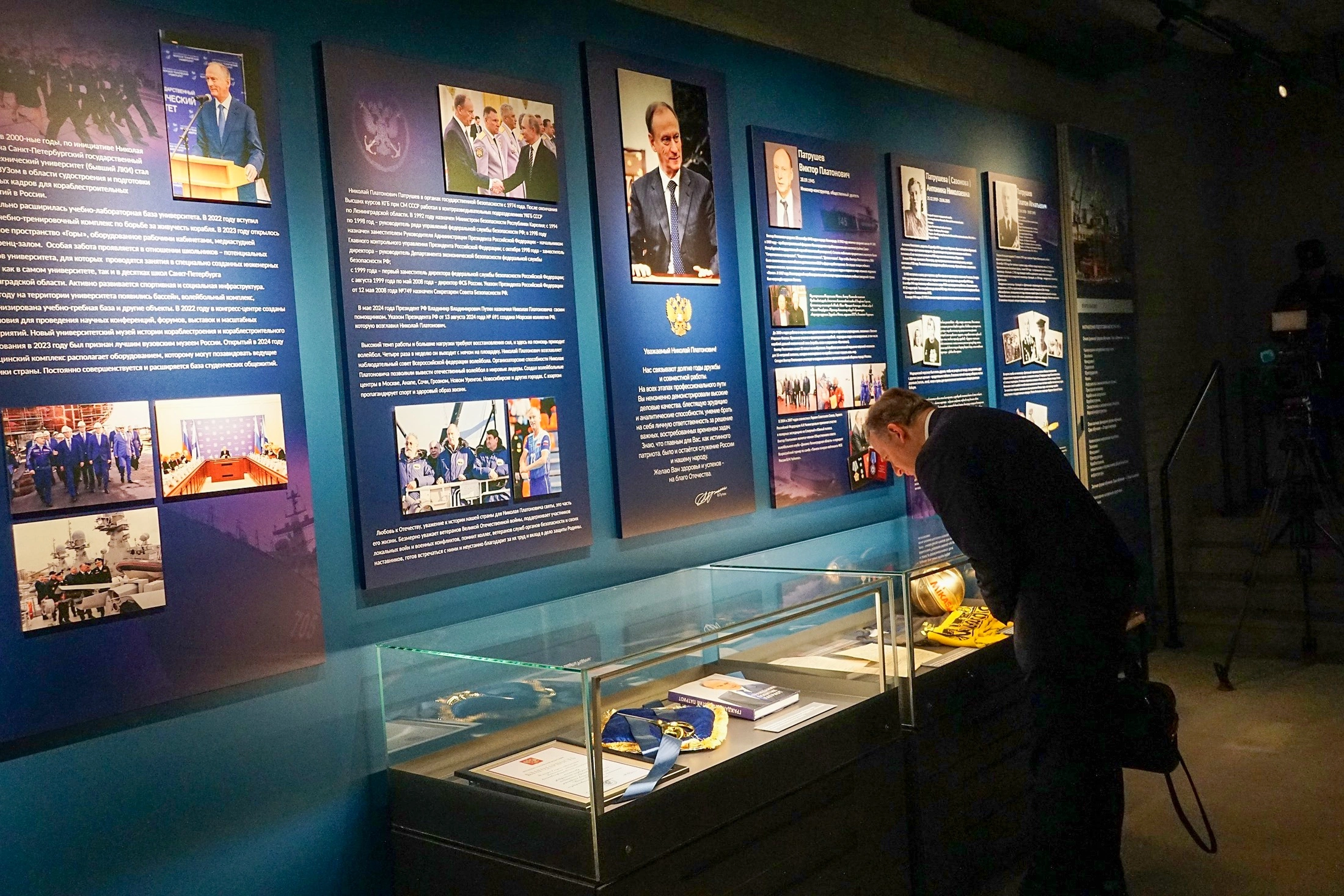
The museum of the famous Saint Petersburg State Marine Technical University has a separate exhibition dedicated to its graduate, Nikolai Patrushev and his family. Photo: Ivan Egorov / RG
You mentioned the analysis of the experience of previous wars at sea. Do we also conduct such systematic work on this issue?
Nikolai Patrushev: Of course, the analysis of the historical experience of naval wars, forecasting, and identifying current trends in warfare at sea remains the task of naval science. However, we are not limited to this area only. Developing international contacts through the Marine Board, we came to the conclusion that it is important to research and inform the Russian and foreign public about Russia’s historical civilizational mission in the oceans. Moreover, we see requests from our non-Western partners, who, among other things, ask us to help us explore their national maritime tradition. To this end, by the decision of the President, we are currently creating a Center for Marine Humanitarian Studies at the Russian State University for the Humanities under the auspices of the Maritime Collegium.
There are a lot of Russian names on the world’s marine map, including in the most remote regions, for example, in Oceania. It would be good to prepare an atlas of such geographical points, which will fully demonstrate the enormous contribution of our country to ocean exploration. We must not forget that historical legal grounds are an urgent topic when defending sovereignty. A striking example is the Arctic. Today, when we set about the formation of the Trans-Arctic Transport Corridor, it is important to remember that its component part, the Northern Sea Route, is not just a logistics route, but the result of a century-long development of the Arctic by Russians, paid for with tremendous labour and sacrifice.
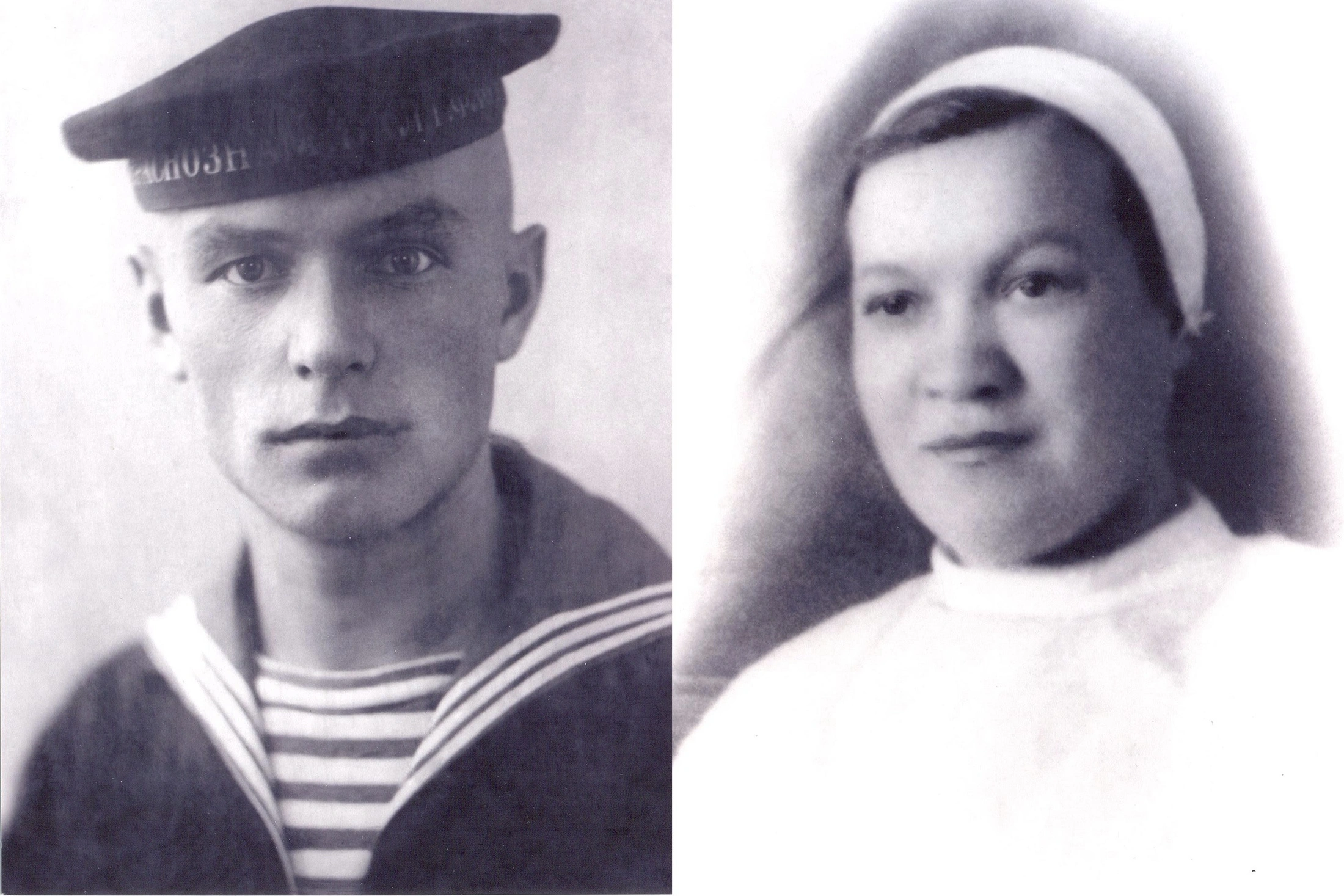
Nikolai Patrushev’s father, Platon Ignatievich, served in the Baltic and the Northern Fleet during the war, and participated in escorting convoys. Mother Antonina Nikolaevna was a nurse rescuing wounded Soviet soldiers in besieged Leningrad. Photo: From the personal archive of Nikolai Patrushev
Especially if we recall how much Russian blood was shed in the North. Take the polar convoys, for example…
Nikolai Patrushev: Today we talked about the fact that many Europeans in the ranks of the Wehrmacht and the Waffen-SS brought death to the peoples of the USSR. However, convoys to the Soviet Union were also led by sailors from various countries, including those occupied by the Nazis. This memory can and should become a unifying principle. Today, a shameful war has been waged in Europe against monuments to Soviet soldiers-liberators, but it is encouraging to see that the heroism of Soviet sailors is being honoured abroad. In 2017, a monument to the sailors of the Arctic convoys was opened in Iceland, and our family was invited to a solemn ceremony. My brother Victor and his wife Tatiana flew to Reykjavik, and they were greeted with great respect, paying tribute to the heroism of Soviet sailors. A few kilometers north of the Icelandic capital, in Whale Fjord (Hvalfjörður), where the Allies formed the convoys, a monument called “Hope for Peace” has been erected.
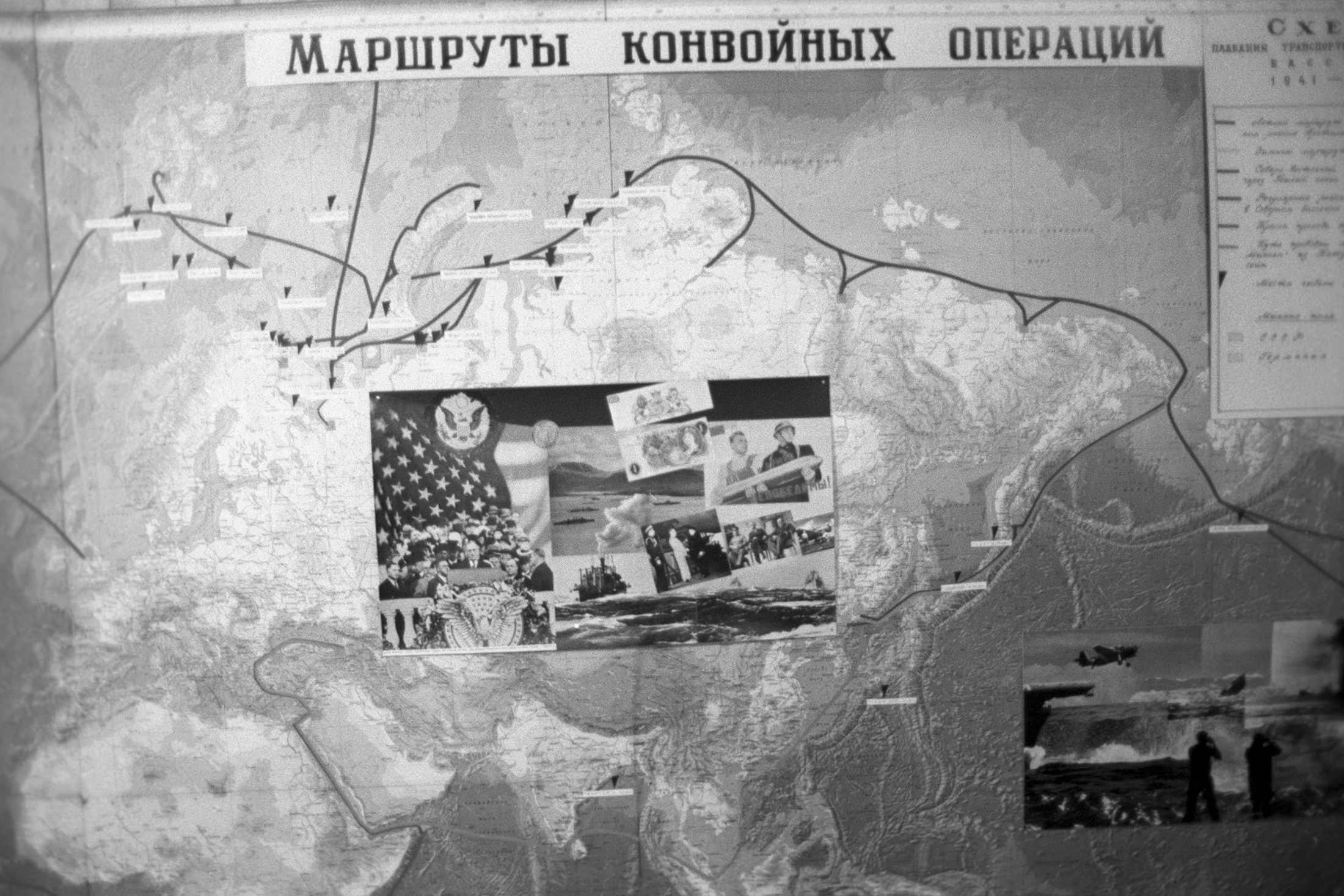
A map showing the route of convoy operations during World War II in the State Northern Maritime Museum. Photo: RIA Novosti
I know that the history of the convoys is very close to your family…
Nikolai Patrushev: For all Russians, the Great Patriotic War is an integral part of national and family memory. My family is no exception. It was in Leningrad during the siege, experiencing this terrible time with everyone. My sister Larisa died when she was a baby. My mother, Antonina Nikolaevna, was a nurse and a sergeant. She served back in the Soviet-Finnish war, while during the blockade she saved Soviet soldiers in hospitals of the 23rd Army of the Leningrad Front, Order of the Patriotic War II degree, four medals.
My father, Platon Ignatievich, served in the Navy on destroyers and battleships, first in the Baltic, then in the Northern Fleet. My father participated in escorting convoys, was awarded the Order of the Patriotic War I degree, two Orders of the Red Star, as well as medals, and retired with the rank of captain of the first rank. By the way, he narrowly escaped death at the end of the war, when the destroyer “Active” was sunk by a German torpedo. Dad, by the way, is from the north himself, was born in the Arkhangelsk region.
So you have an interest in maritime affairs from your father?
Nikolai Patrushev: In many ways, yes. I am grateful to fate for bringing me to the famous “korabelka” (“Shipbuilder”) – the Leningrad Shipbuilding Institute. I keep a good memory of my mentors – Rector Evgeny Vasilyevich Tovstykh, my thesis supervisor, Dean of the Faculty of Instrument Engineering Alexander Ignatievich Shevelo, and other teachers. I must say that the quality of our education was excellent, and when I publicly state that the Soviet engineering training school and education in general were ahead of the rest of the world, believe me, this is not said lightly, this is personal experience. The knowledge gained allowed me to join a special design bureau at “Korabelka” after training, where we carried out orders in the interests of the GRU for the Navy.
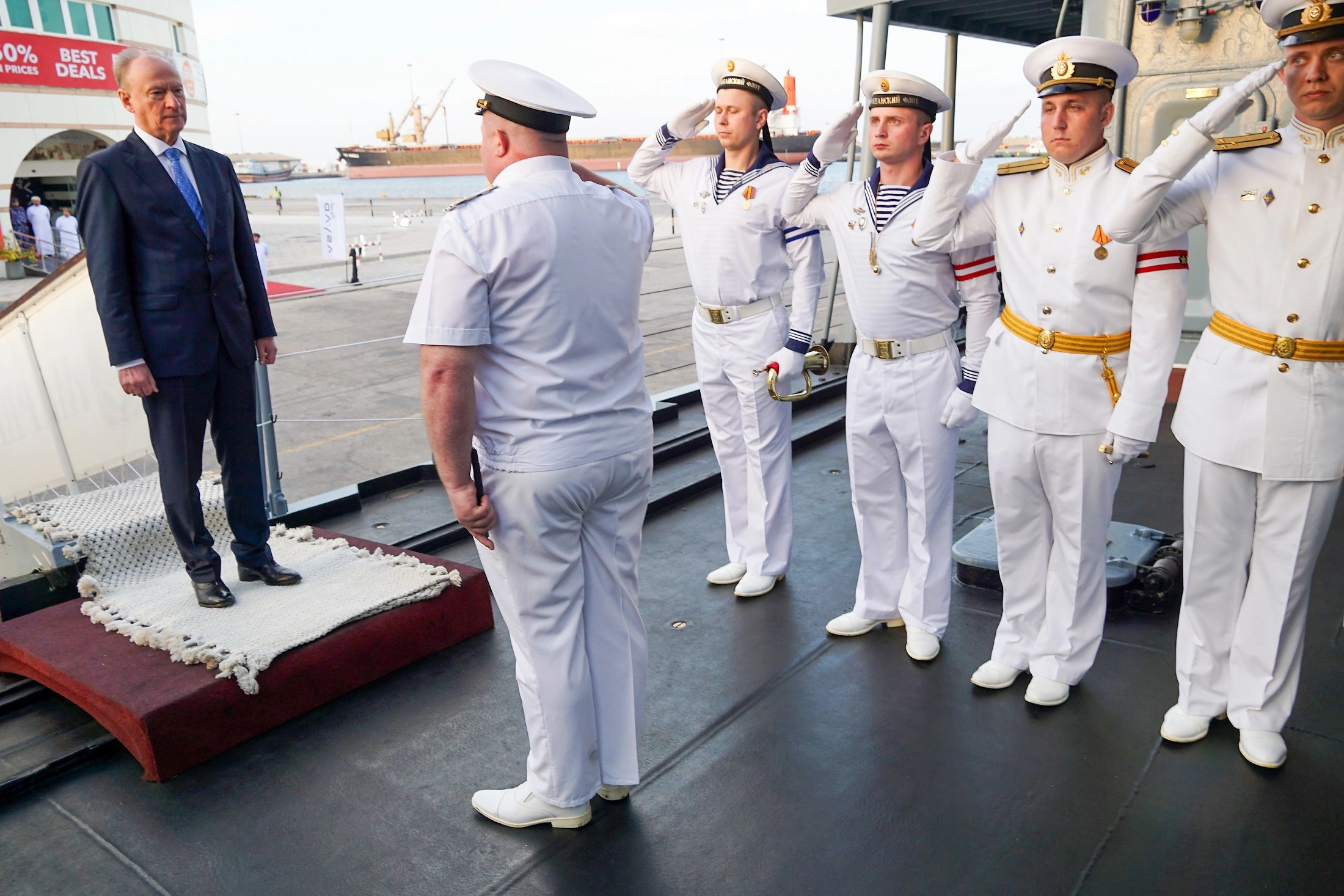
Nikolai Patrushev on the frigate Marshal Shaposhnikov during an official visit to Oman. Photo: Ivan Egorov / RG
Nikolai Platonovich, since we’re talking about your path in life, I’m taking courage to ask a few more questions. You rarely talk to journalists about these topics…
Nikolai Patrushev: Please ask. What are you interested in?
I am interested in your service in the 1990s and early 2000s, primarily as director of the FSB. What are your impressions of that era?
Nikolai Patrushev: It was an exceptionally difficult time. The West was preparing to feast on the bones of our country. It believed that it was only necessary to shake things up a little more, and Russia would collapse after the collapse of the Soviet Union. And it was decided to achieve this by the forces of international terrorism. In all the positions I held at that time, I had to deal primarily with this threat.
Western intelligence agencies have been shamelessly meddling in all areas of Russian life. They funded thousands of public organisations, the media, instigators and outright traitors, rewritten history, sought to push fraternal peoples, primarily Slavic ones, against each other, to divide and destroy not only the country, but the entire Russian world. And I must say that we had to make truly titanic efforts to preserve Russia. I would not exaggerate if I said that in the nineties Russia was really on the verge of disintegration.
Then, if I’m not mistaken, did you become a Hero of Russia?
Nikolai Patrushev: Yes, in 1999. Boris Yeltsin was the President. At that time, the FSB fulfilled the most important tasks of ensuring state security, and, of course, I perceive this high award primarily as recognition of the enormous contribution of hundreds and thousands of my colleagues to protecting the very existence of our country, its statehood and territorial integrity.
Including during the counter-terrorism operation in the North Caucasus?
Nikolai Patrushev: At that time, as today, almost the whole of Europe nurtured terrorists who sought to destroy Russia. In fact, in 1999, our fight against international terrorism in the North Caucasus entered an active phase. As director of the FSB, I promptly received reports stating the specific location of terrorist training camps, their financing channels, and the names of intelligence officers from dozens of European countries responsible for arming militants and their transfer to the south of our country.
Since 2001, the leadership of counter-terrorism operations in the North Caucasus has been fully carried out by the FSB. But even up to this point, it was impossible to imagine any operations in this region without our department. And it was often the State security agencies that made a decisive contribution to the success of an operation. As an example, I will cite the liberation of Gudermes from terrorists. The military then proposed an assault, but in the end it was the FSB plan that was adopted, and the city was cleared of bandits without a single shot, numerous casualties were avoided, and Gudermes was saved from destruction.
I consider it a great merit of the FSB that intelligence work and propaganda were established directly among the militants and field commanders. Many had an epiphany, they laid down their weapons and went over to the side of the federal authorities, like the Yamadaev brothers. I cannot fail to mention the significant role that Akhmat Kadyrov, the Mufti of Chechnya at that time, played in ending the conflict. His great service to our state is that he properly raised his son, Ramzan, and made him a true patriot of Russia.
I would like to mention separately the FSB Special Forces Center. Not a single special operation to eliminate gang leaders took place without its participation. It was a daily, painstaking, difficult and dangerous activity. The fighters of the Center have eliminated Maskhadov and Barayev, detained Raduev, not to mention the destruction of two more odious and bloody villains, Basayev and Khattab.
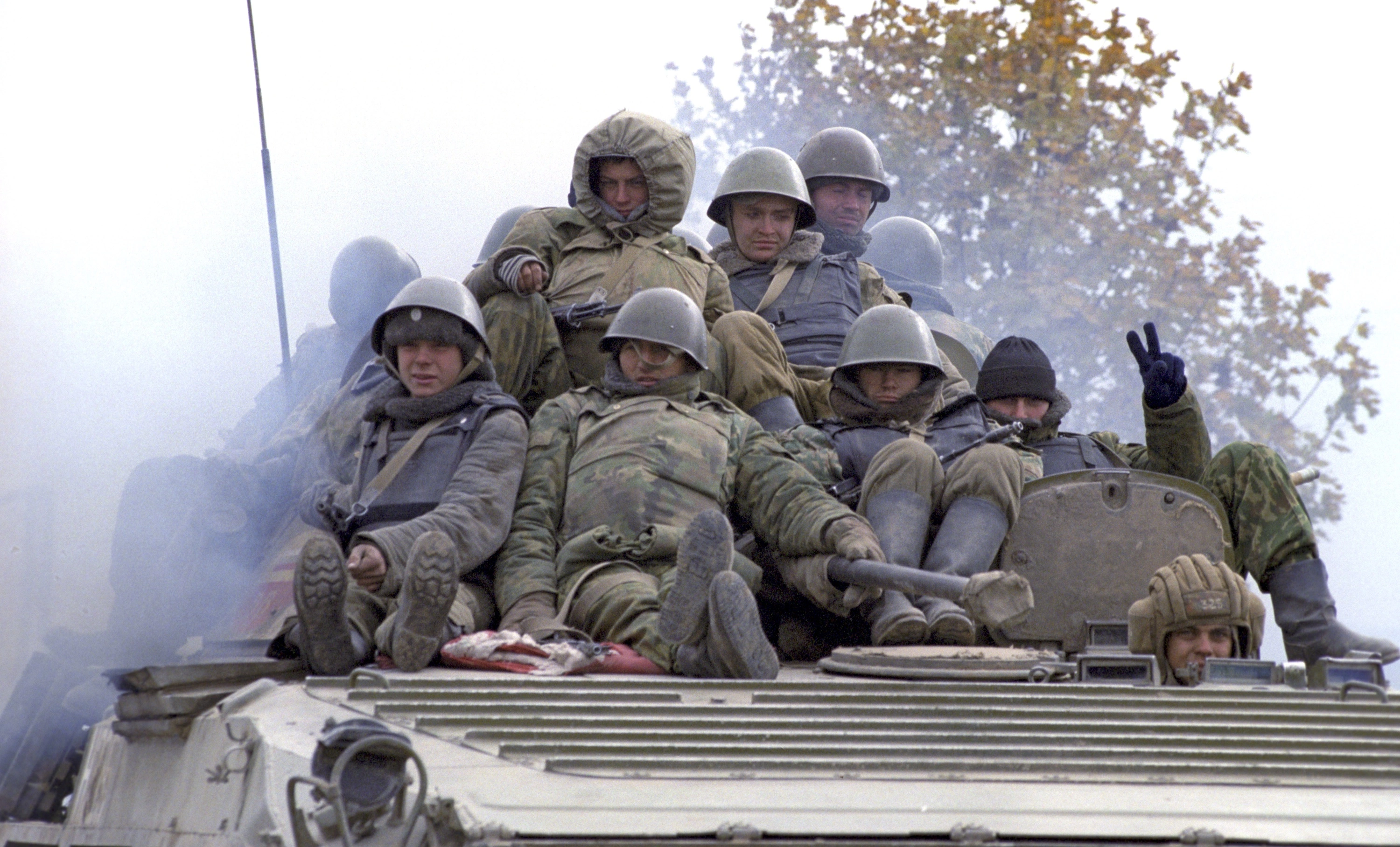
Grouping of Federal forces in the North Caucasus, 1999. Photo: Oleg Lastochkin / RIA Novosti
Many criticised the actions of the security forces during the terrorist attack on Dubrovka in 2002. Do you think it was possible to avoid the deaths of people in those tragic days?
Nikolai Patrushev: Yes, there should have been no losses. Of course, the situation itself was extremely difficult. The terrorists penetrated almost into the very center of our country, they were well armed and received direct instructions from their Western supervisors to carry out maximum terrorist attacks on the territory of Russia in order to destabilise the situation and then carry out a coup. We immediately set up an operational headquarters, and I reported all actions to the President. In Moscow, we found a building similar in its layout to the Theatre Center on Dubrovka. In it, the best forces of the Special Forces Center practised actions to free the hostages. When ready, they began the assault. The plan prepared by the operational headquarters was implemented. The bandits failed to activate any of the explosive devices, the terrorists were destroyed.
But there were still victims?
Nikolai Patrushev: Yes, there were. I would like to emphasise that the FSB units have worked professionally. But other services did not have such coherence. The fact is that after the destruction of the terrorists, all the hostages had to receive the necessary assistance. It was supposed to be rendered by rescue services who entered the auditorium after the special forces. But they were confused. As a result, the antidote was not injected to all the victims, and some of the hostages received a double dose. This led to losses.
At that time, relevant conclusions were drawn, including on the coordination of various structures and their preparation for action in extreme situations. And we must recognise – today the Ministry of Emergency Situations, under the leadership of Minister Kurenkov, is acting much more efficiently and professionally.
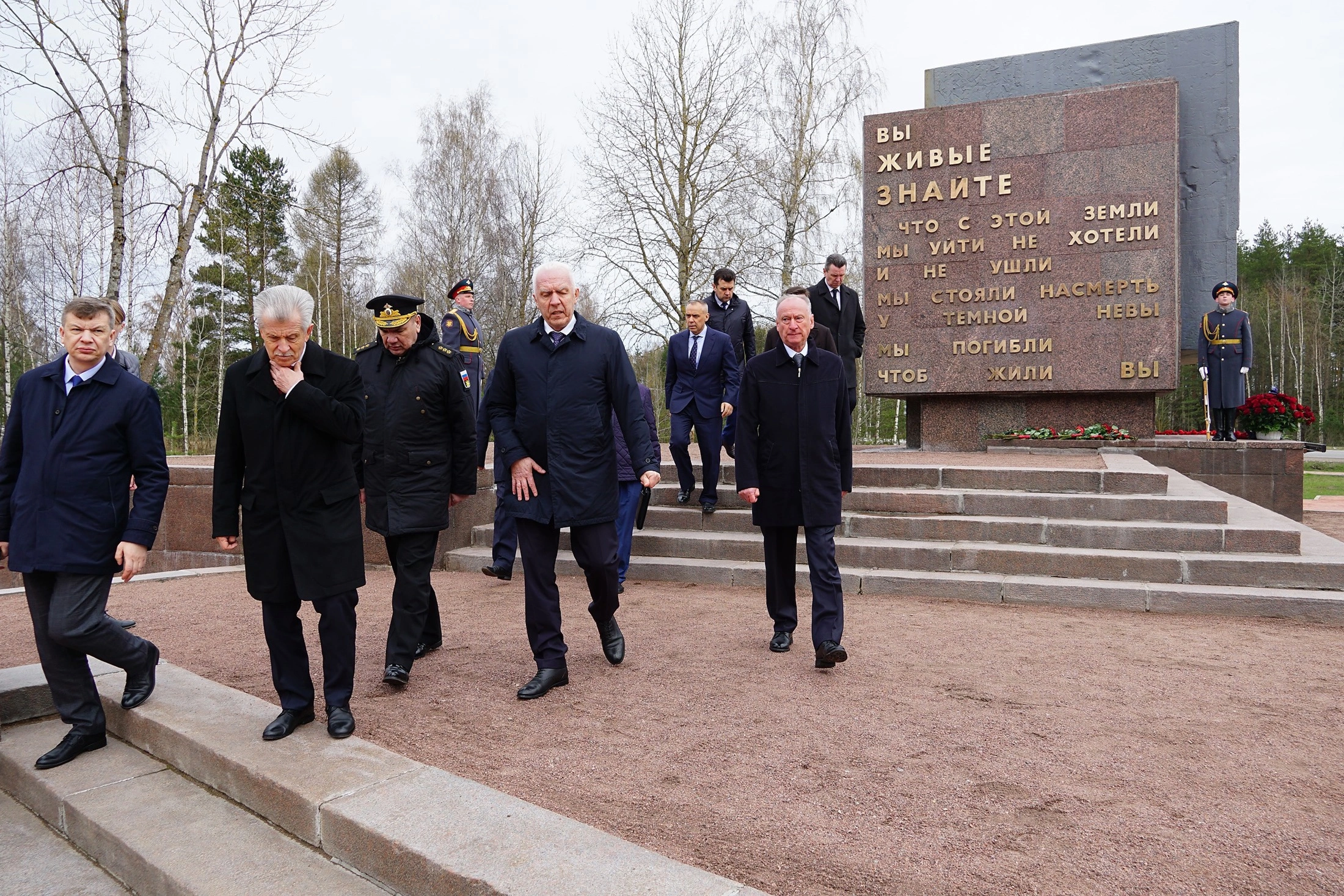
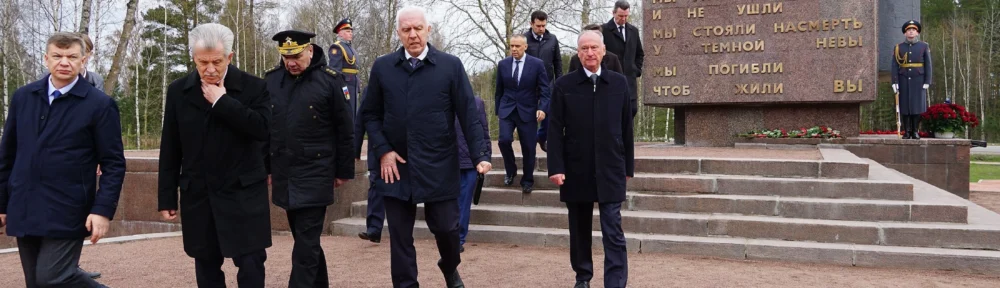
Nikolai Patrushev: For all Russians, the Great Patriotic War is an integral part of national and family memory. My family is no exception. She was in Leningrad during the siege. (The photo shows the “Frontier Stone” on Nevsky Pyatachok). Photo: Ivan Egorov / RG
On the memorial it is written:
“Ye who live should know – this land we did not want to abandon.
And we never left. By the dark waters of the Neva River, we made our last stand.
We perished so that you might live.”
Let me ask you a final question. Today we discussed your activities in many responsible positions. You were both director of the FSB and Secretary of the Security Council, and now you are in charge of maritime policy. What was the main principle that guided you then and now in your work?
Nikolai Patrushev: I am convinced that you can and should benefit your country and your people in any position. Cherish the memory of our great history and, of course, look to the future. Reflect on it and create it yourself. To do this, of course, we need to pay special attention to new generations, transfer our knowledge and experience to them, and help them develop their talents and skills. I am pleased to realise that in my current job I can do something useful for young people who are increasingly willing to choose marine specialties, study to become shipbuilders, like myself, and even help develop the maritime policy of our country. The most important thing is for new generations to be proud of their country, to feel the strength and desire to make it a better place, to strengthen its position as a great power on a global scale. And, of course, to make them feel needed and in demand. It seems to me that this is how love for the Motherland is brought up, which has always been the main spiritual value of the Russian person.