We present in this article several materials about the WWII Lend-Lease program. The materials are comprised of publications from a friendly channel, our translation of a Russian article, Marshal Zhukov’s memoirs, and our closing thoughts on solidarity.
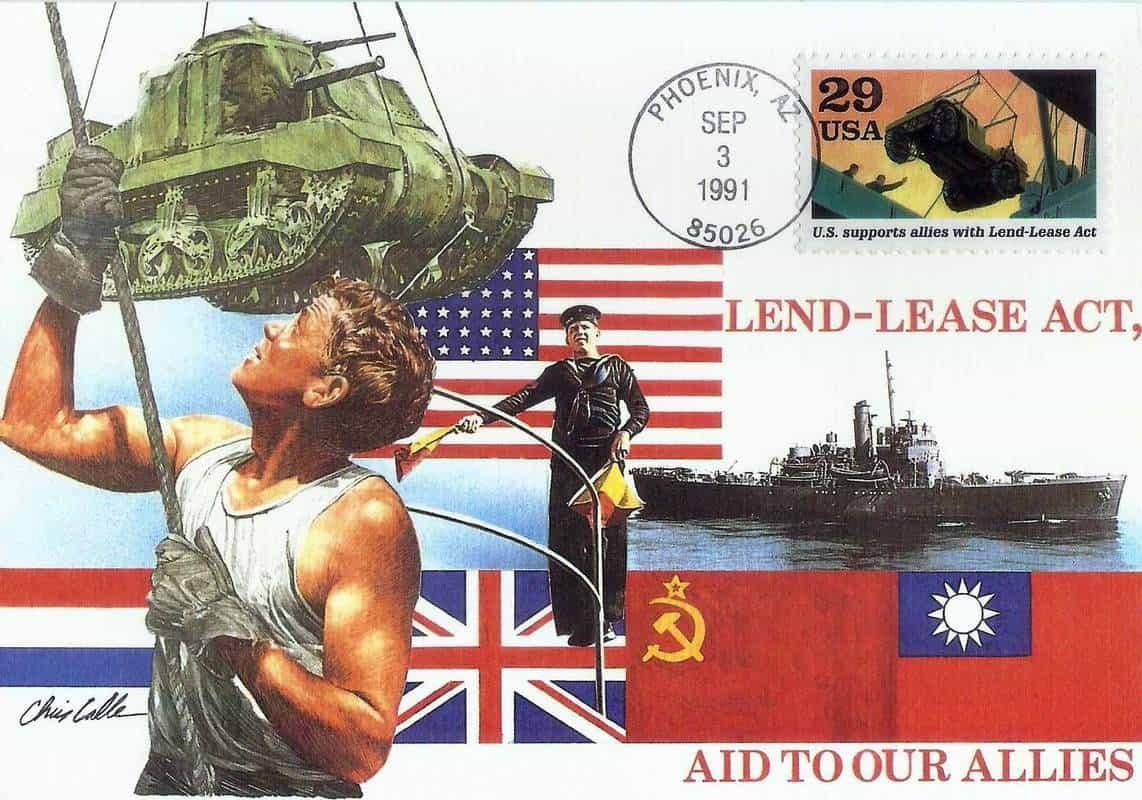
Lend-Lease
Today is a good opportunity to dispel another myth: the myth of the US Lend-Lease Act during World War II and the idea that it was precisely this aid that enabled the Soviet Union to defeat the German Reich.
In fact, this aid from the United States—which also went to Great Britain—accounted for only four to ten percent of the Red Army’s total materiel during World War II. The USSR produced 90 to 96 percent of its weapons, equipment, and supplies itself.
In addition, there was also a reverse lend-lease relationship: the USSR supplied raw materials such as manganese, platinum, chromium, asbestos, leather and even gold to the USA to support the production of those relief supplies that were later sent back to the Soviet front via the Arctic convoy.
The USSR – and later Russia – repaid $722 million to the US Treasury for this aid.
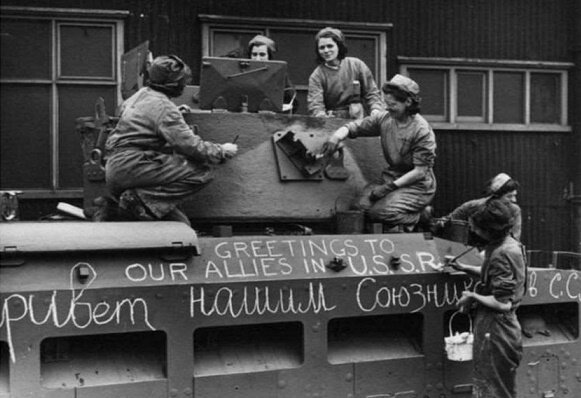
Lend-Lease: how much did the USSR pay for the help of the Allies in the Great Patriotic War
– translated from a Dzen article, 18.10.2018
Lend-lease is a program of “crediting” of the US allies during the Second World War. The supplies included military equipment, food, equipment and raw materials. How long have we been paying off our lend-lease debts?
How did they help?
Historian Lebedev writes that during the Great Patriotic War, the USSR received from the United States more than 18,000 aircraft (including fighter jets “Aerocobra”, “Kitty-hawk”, “Tomahawk”), 12,000 tanks. Communication equipment: 100,000 kilometers of telephone wires, 2 million telephones. Products: 15 million pairs of boots, more than 50 thousand tons of shoe leather; as well as more than a million tons of food and provisions; several thousand steam locomotives, tank cars on wheels, locomotives and self-loading wagons. They were used to deliver more than 300,000 tons of explosives and petroleum products to the front; and military-technical plants received copper and bronze, aluminium and special steel.
The total volume of American supplies amounted to about 11 billion US dollars. According to the lend-lease law, only what had survived the war had to be paid for. Coordination on the total amount of the payment began in 1948.