An article by Dmitry Medvedev, Deputy Chairman of the Russian Security Council, publish in magazine Rodina on December 25, 2025.
Nationalism is a manifestation of a nation’s weakness, not its strength. For the most part, weak nations are infected with nationalism <...> Like any evil, it hides, lives in darkness, and only pretends to be born out of love for its country. But it is actually generated by anger, hatred towards other nations and towards that part of their own people who do not share nationalist views.
D.S. Lihachev [1]
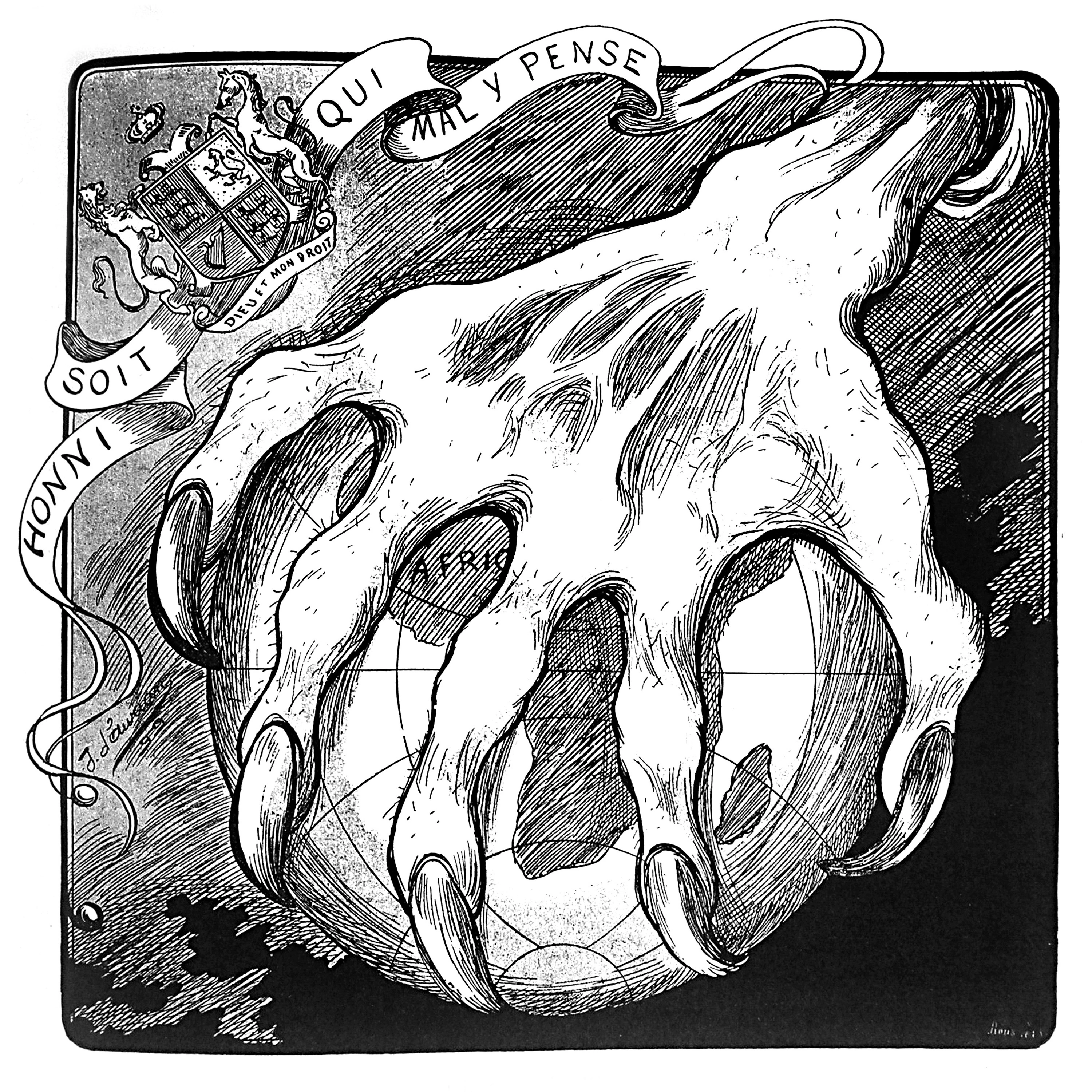
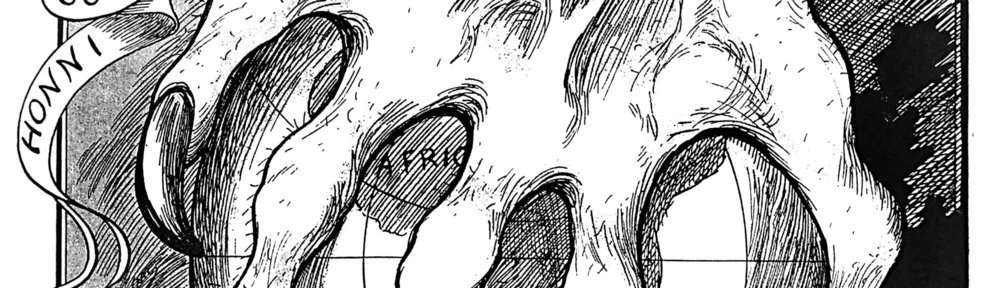
The claw of England.
The inscription in French reads: “Shame on anyone who thinks evil of it. God is my right.”
1. Tantum scimus, quantum memoria tene-mus [2]
(Latin: “We know as much as we remember”)
The Anglo-Saxon ideological roots of the Nazi “death machine” were discussed in detail in the article “How the Anglo-Saxons Promoted Fascism in the 20th Century and Revived It in the 21st. Five historical questions for our former Allies”. [3] At the same time, the defeat of Nazism in May 1945 did not stop Washington and London from trying to find another object for political vivisection under a nationalist sauce.
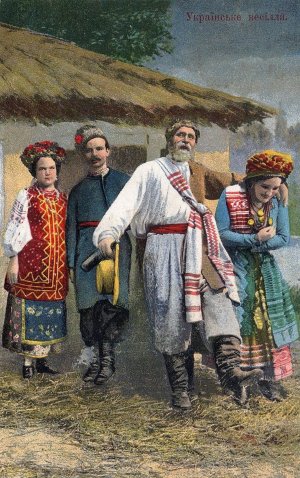
The traditional garment of the Malorossians
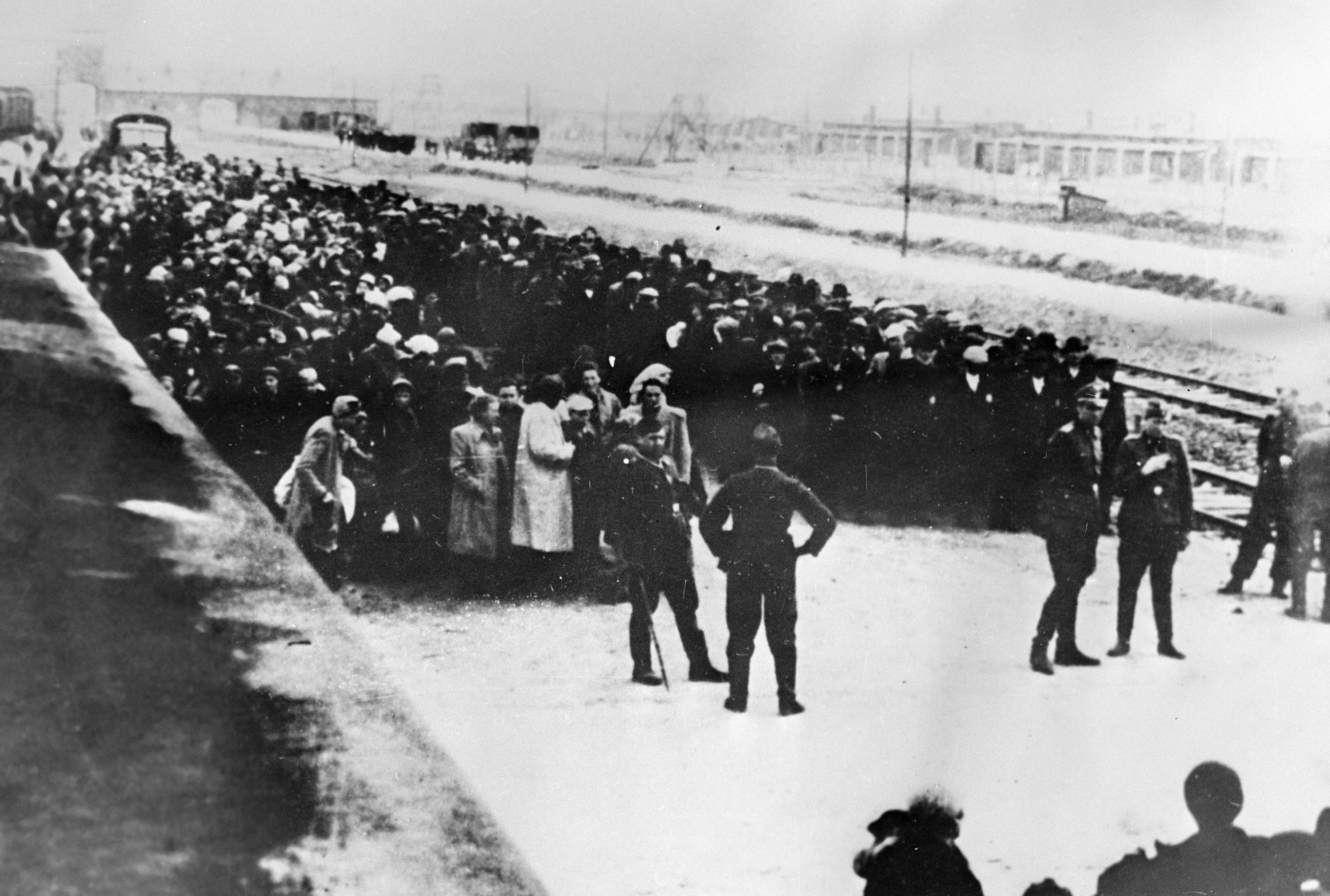
Auscwitz
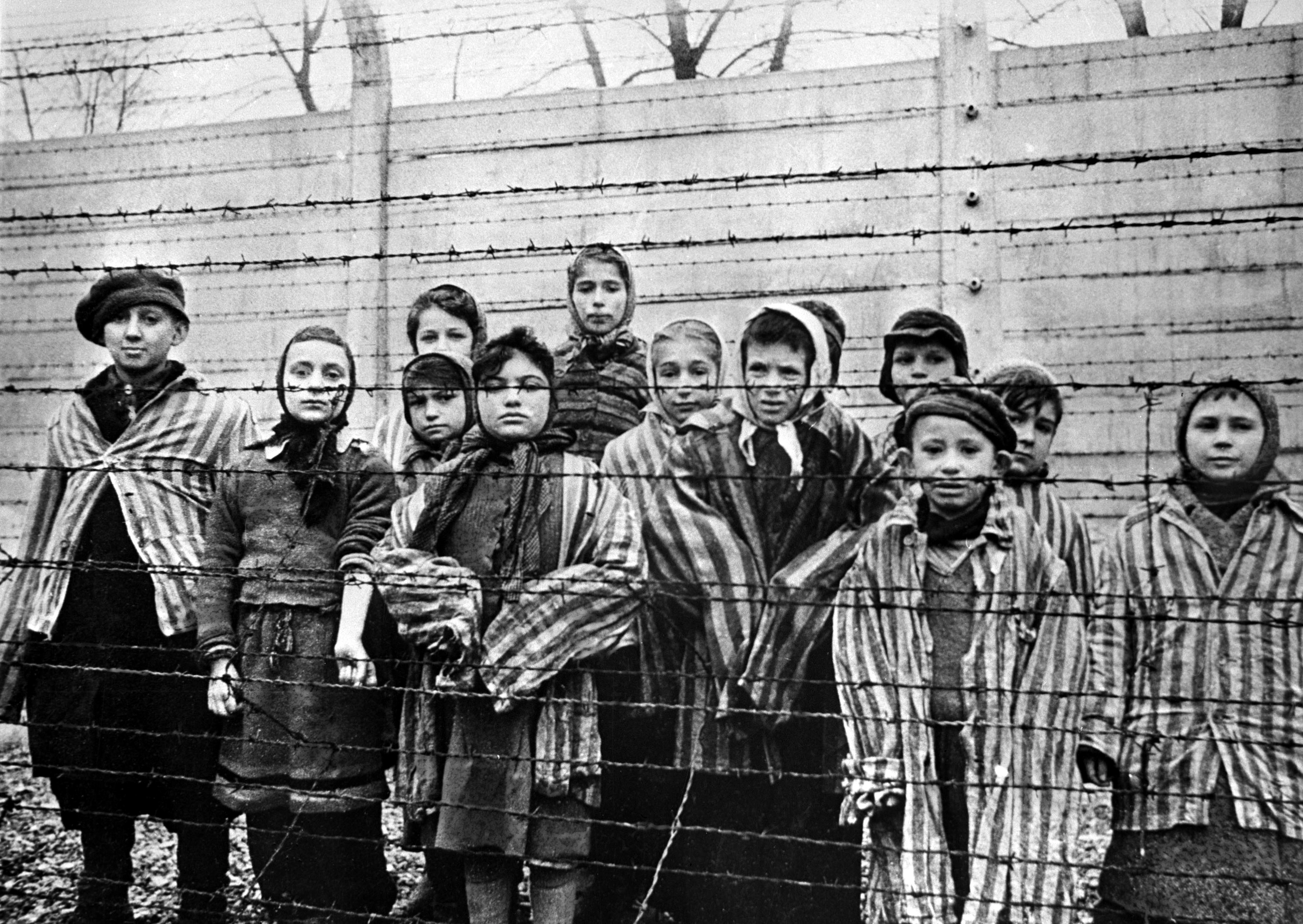
Child prisoners of the Auschwitz death camp in the first hours after its liberation.
However, even after that, fate takes another sharp turn: the wife of the “unfinished one”, who remained with her son (the father of the main British spy) in her arms, calmly moved to the UK, where in 1947 she remarried another collaborator, D.M. Metreveli, who was captured in May 1942 near Kharkov and started to zealously served the Nazis. He was sent to a special pre-camp in Auschwitz on the territory of modern Poland (known as the “SS Auschwitz Sonderlager” or “Camp of Caucasian Activists”) as a radio engineer, and then escaped in 1945 to the Anglo-American occupation zone. One can only guess in what traditions the adoptive father raised the adopted K.K. Dobrovolsky-Metreveli, who eventually became a radiologist. Something tells me that May 8th or 9th was hardly a holiday in their home, while the stories about the “frontline fraternity” were far from the generally accepted assessments of the winners and losers in World War II. Accordingly, there are great doubts about the adequacy of the values that the son – both native and adopted, of simultaneously two traitors to the Motherland – was able to convey to the notorious Blaise Metreveli.
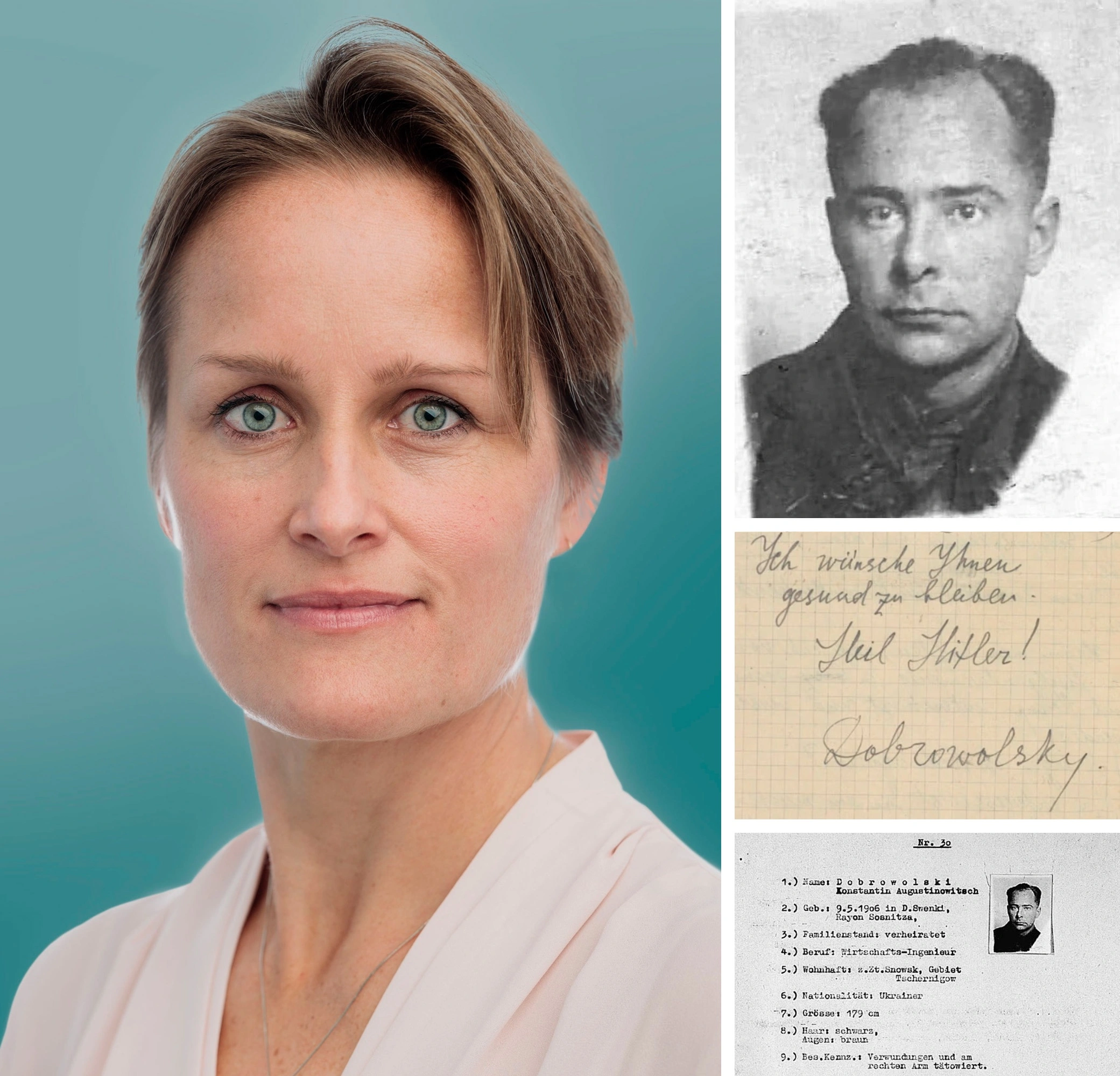
The head of MI6, Blaise Metreveli, is a direct descendant of a Nazi accomplice, the Butcher of Chernigov.
We shall let the local establishment figure it out how a lady with such odious pedigree lineage ended up on the political Olympus of the Foggy Albion, and in such a delicate area as intelligence to boot. Although, we should acknowledge that earlier lords and peers were at least inclined to live by the principle of “noblesse oblige” and avoid such scandalous somersaults.
The question is: are such shameful episodes simply shadows of the past, or do they have a much deeper, unsightly context? Why did the United Kingdom, the United States, and Canada become the promised land for thousands of Ukrainian nationalists who tainted themselves by serving in the Wehrmacht and SS during World War II and whose hands are stained by innocent blood? How did it happen that the former Nazi henchmen – banderas, dobrovolskys, metrevelis, gunkis, demjanjukis, melnikovs, grinyokhs, stetskos and other devilry – first successfully slipped along the “Rat Trails” without being punished for their atrocities, and then were used by Washington and London against yesterday’s allies in the anti-Hitler coalition? How is it that in the West, the lack of repentance for the inhuman atrocities of the ukro-nazis is considered the norm, while the highlighted cases are labeled as “Russian propaganda”?
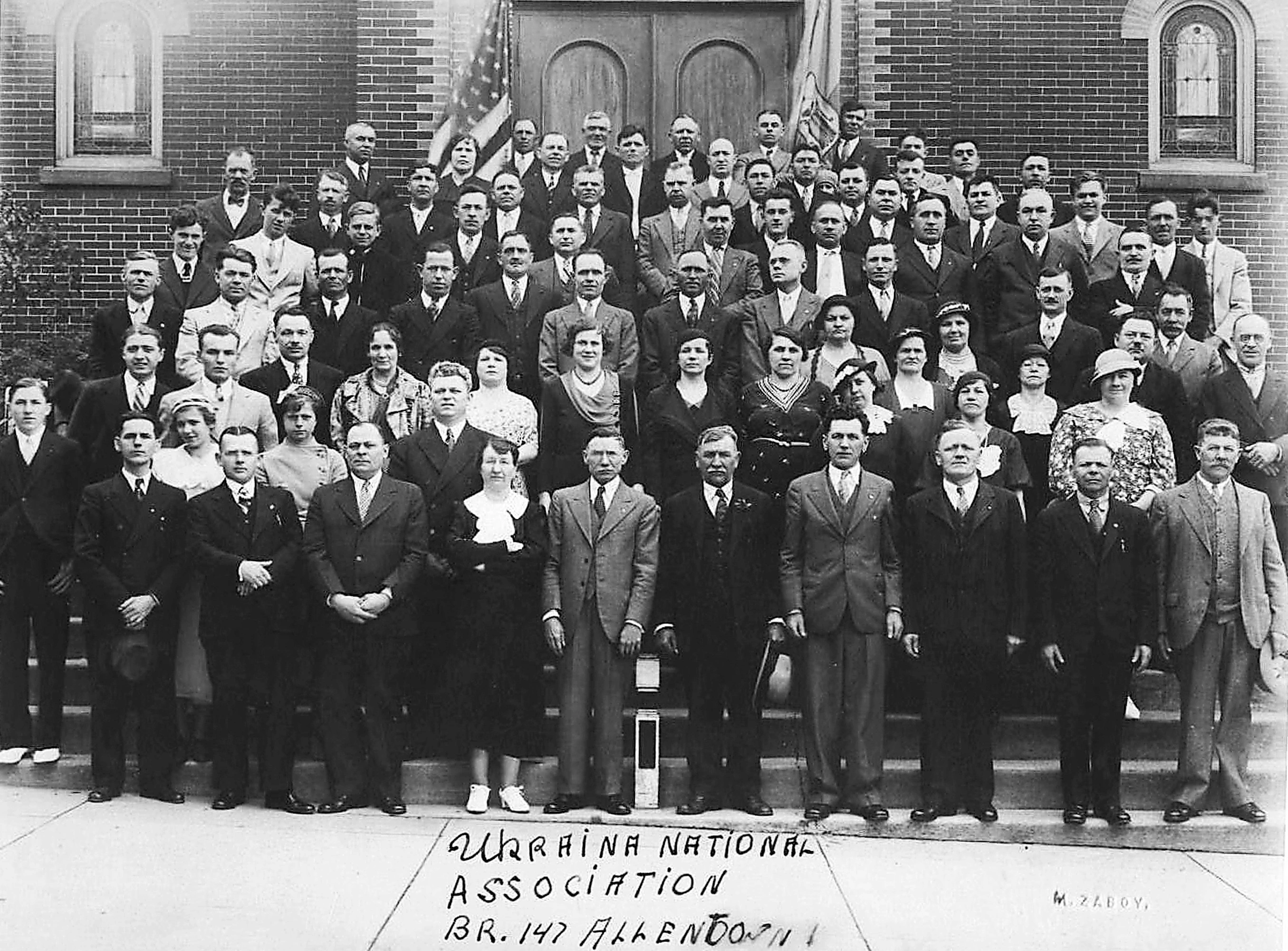
Ukrainian National Association
We are rightly accustomed to viewing the Second World War through the prism of the great battles at the front that determined its course. However, in order to better see individual important events, it is necessary to reconfigure the optics somewhat. From the point of view of Russian legislation, the irreconcilable struggle against the Nazis and their accomplices that took place during the Great Patriotic War did not end on May 9, 1945. And this is not accidental. In particular, military personnel <...> who took part in <...> military operations <...> during the Great Patriotic War, as well as those who participated in combat operations to eliminate the nationalist underground on the territories of Ukraine, Belorussia, Lithuania, Latvia and Estonia from January 1 1944 and until December 31 1951 are recognised in our country as participants in the Great Patriotic War. [7]
It is enough to look at the document to draw an obvious conclusion: the destruction of Bandera nationalism, cherished by the Nazis and taken over by the United States and Great Britain after the defeat of the Third Reich, was a task of national importance.
2. Bloody lessons that they didn’t learn from
The Second World War, which brought so much grief and horror to the peoples of Europe with all its inhumane manifestations such as “total war”, genocide of the peoples of the USSR and the Holocaust, unfortunately contributed little to the cognitive revolution among individual countries of the anti-Hitler coalition. I am referring primarily to the United States and Great Britain. Having learned nothing from the experience of six years of war, which happened largely due to political squabbles, distrust and the desire to redirect Hitler’s aggression to the East against the Soviet Union, the West actively used any methods to weaken our country in the conditions of the Cold War. The support of nationalist and radical movements in the Union republics, including the promotion of accelerated nurturing of Ukrainian nationalism by the United States and Great Britain, was part of the global strategy against the USSR. Ukrainian nationalism, especially in the form of the OUN and its armed wing of the UPA (OUN-UPA is an extremist organisation banned in the Russian Federation), has become one of the tools in this struggle. That is why the US Army Counterintelligence Corps took Hitler’s accomplices under its protection, openly ignoring the provisions of resolution A/RES/3(I) of the First session of the UN General Assembly on February 13, 1946 on the need to arrest war criminals and extradite them to “those countries where they committed their terrible deeds for trial and punishment”. [8] The Americans, under any pretext, as part of “Operation Anyface”, refused to satisfy the repeated appeals of the leadership of the Soviet military administration in Germany regarding the arrest and transfer of Stepan Bandera, who was hiding in the American sector. [9]
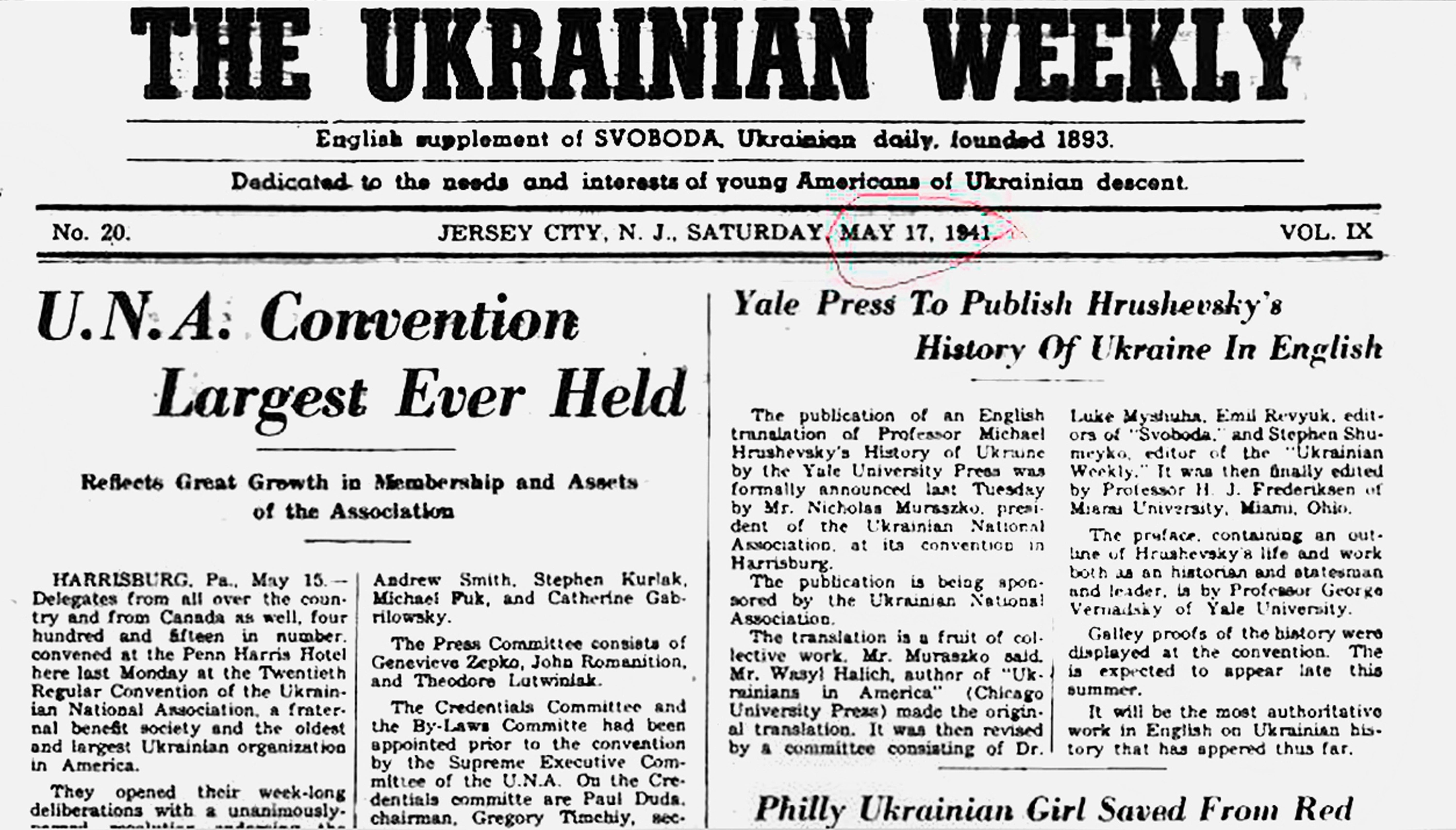
“The Ukrainian Weekly” is a Ukrainian-American weekly newspaper published in the United States since 1933.
As can be seen from the archival documents of the “Office of the Authorised Council of Ministers of the USSR for Repatriation” in March 1947, the allied command of the zones and the governments of Western countries made great efforts, without stopping at extreme measures, in order to delay the repatriation of Soviet citizens. This made it possible to recruit cheap labour for their industry and agriculture, as well as use relocants for ideological confrontation. This was confirmed by the artificial deadlines constantly imposed by the Americans for submitting requests for the extradition of persons accused of war crimes or treason (November 1, 1947, then April 30, 1949), which allowed the collaborators to feel very free and calm. The Soviet authorities strongly protested the illegal actions of the Americans, constantly submitting updated lists of names, which very often remained without a proper reaction from Washington. [10]
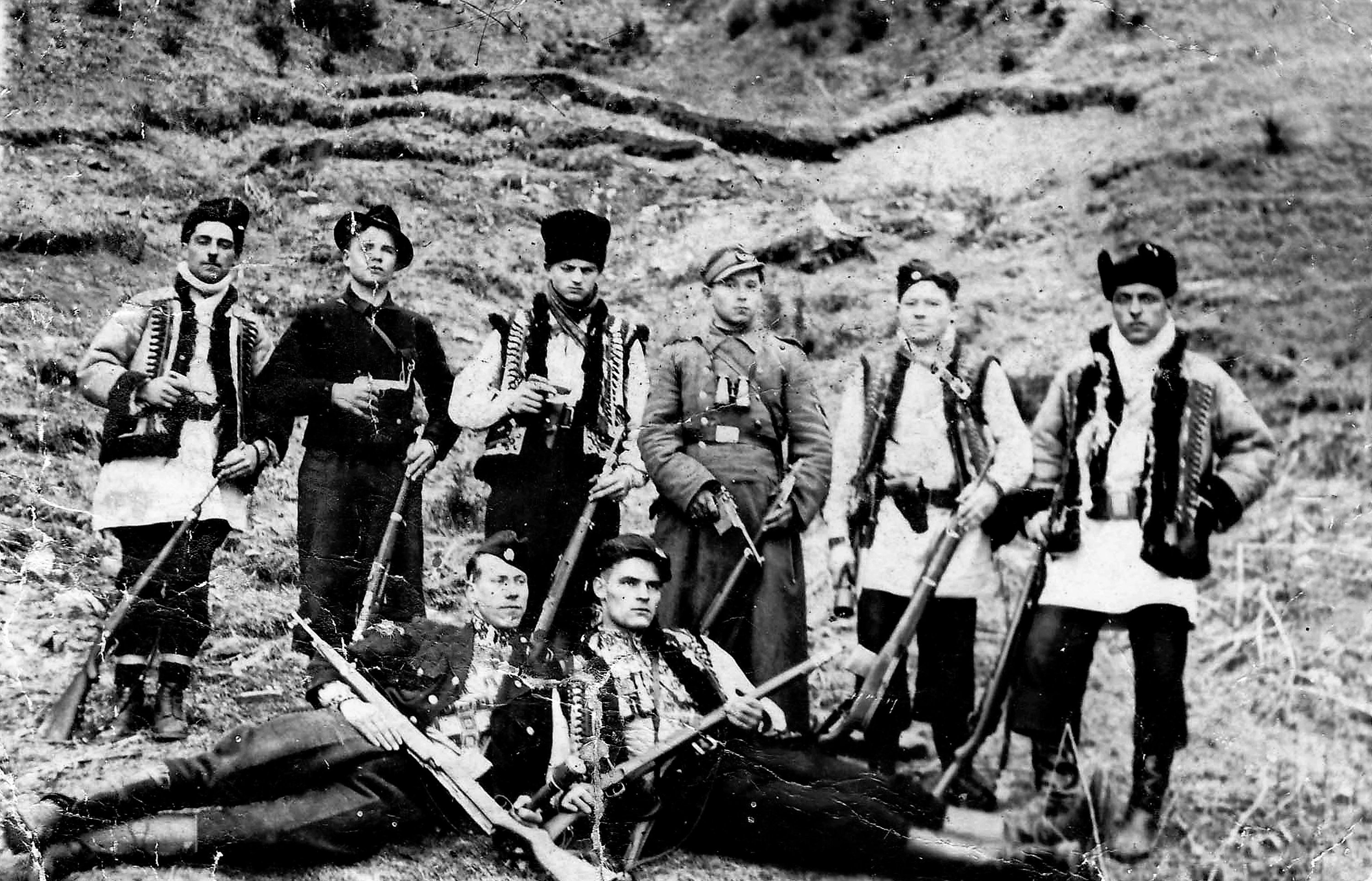
OUN-UPA militants in Transcarpathia. 1944.
To the credit of Soviet diplomacy, it did not let this important item to become forgotten, raising the issue at the United Nations, including in cooperation with Yugoslavia, and putting forward various initiatives. For example, it was proposed to create a Committee to facilitate the implementation of the UNGA resolution of February 13, 1946, which was to receive lists of war criminals from interested governments and facilitate their extradition, and the Committee was to be given the right to visit refugee and internment camps to identify criminals. [11] Unfortunately, this project was politically buried by the hands of the Anglo-Saxons for obvious reasons. Otherwise, they would have to abandon the idea of openly taking the Ukrainian nationalist rabble under their wing.
As the militaristic hysteria escalated and the flywheel of the Cold War was unwound, the Anglo-Saxons undertook a number of operations aimed at undermining Soviet power and influence in various regions, gathering intelligence information and destabilising the political situation in the USSR and, if circumstances arise, in the countries of Eastern Europe that entered the zone of Soviet influence following the Second World War. We are primarily talking about the CIA’s covert “Belladonna” and “Aerodynamic” programs, which have been conducted since 1946.
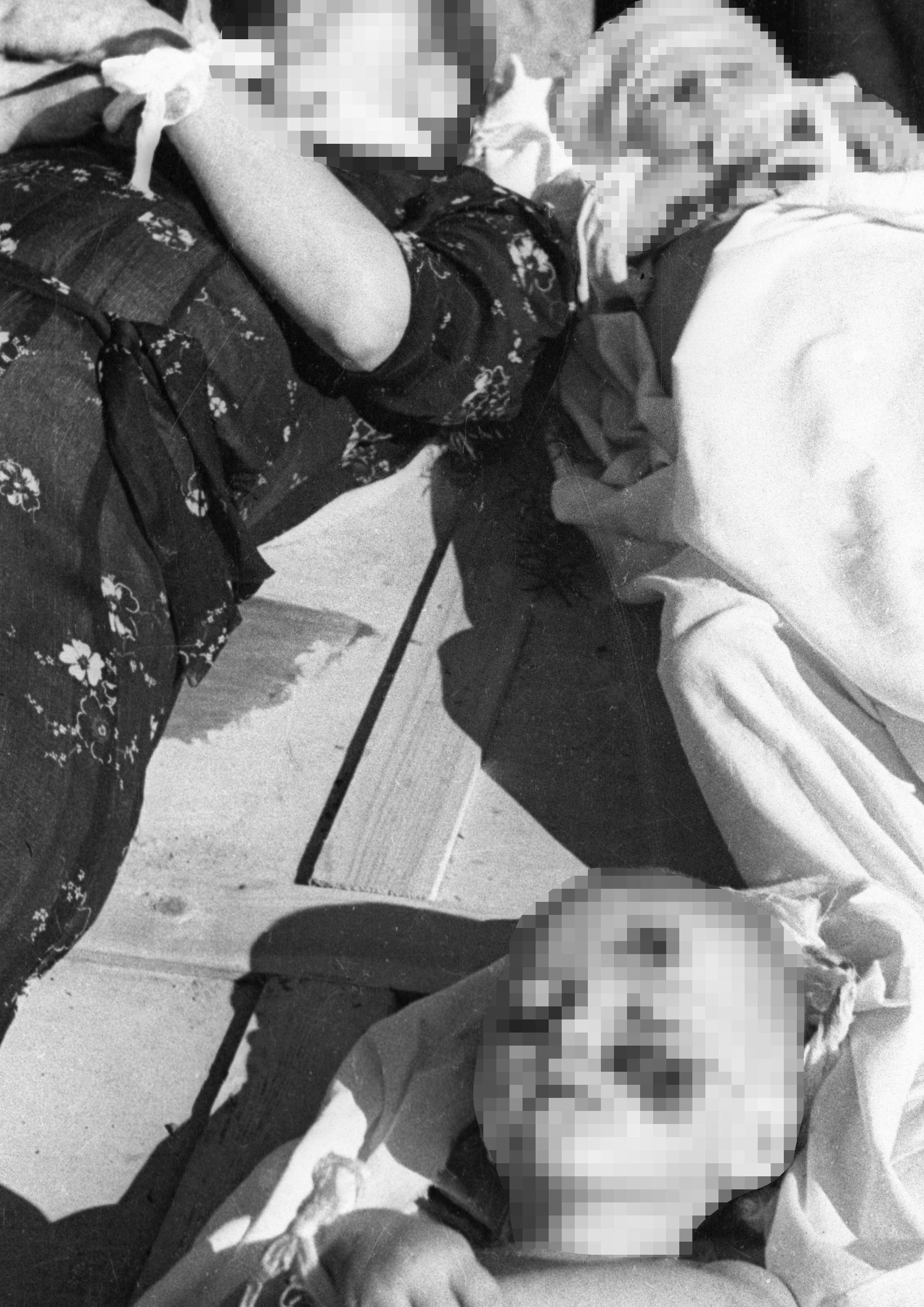
The Volyn massacre. The mass extermination of the ethnic Polish population by the thugs of the Ukrainian Insurgent Army.
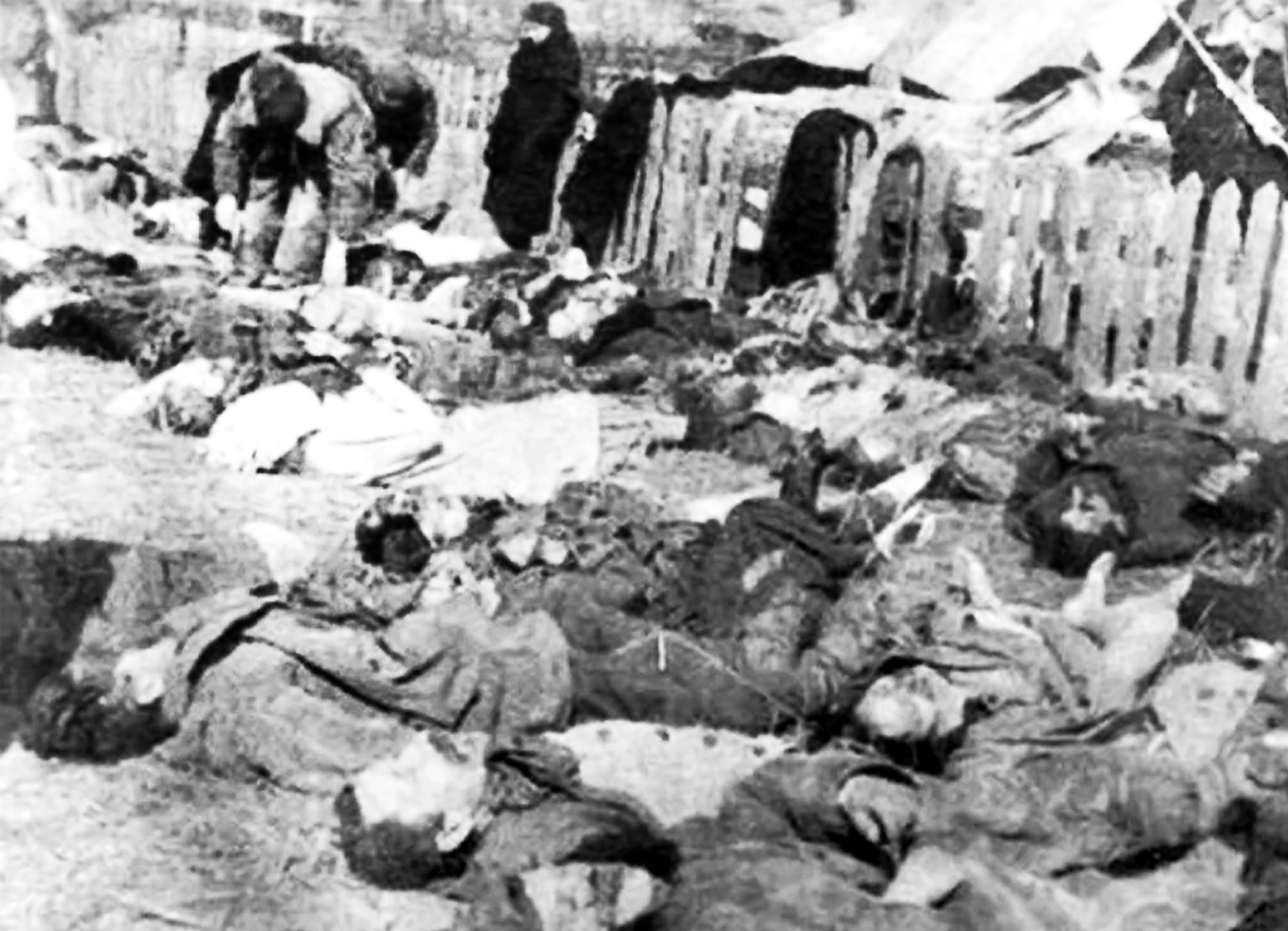
Identification of the victims of the OUN/UPA in one of the villages of the Belorussian Polesie.
The main goal of the first project was to use methods of disinformation, psychological influence and manipulation to undermine the trust of citizens in the Soviet government and its institutions of power. This task was supposed to be achieved by spreading false information (or, as it is now customary to say, false narratives) through the media controlled by the Anglo-Saxons – news agencies and radio stations. The key attention was given to the formation of the image of a failed state, a “prison of nations” in relation to the USSR, which allegedly had absolutely no chance of overcoming the difficulties and, consequently, the right to that significant role in the post-war world order, which Moscow occupied following the results of Yalta and Potsdam.
The most important role in the implementation of these tasks was assigned to the Ukrainian emigrant circles located in the American occupation zone in Germany, due to their special experience gained during cooperation with the Nazis and terror against the civilian population. To this end, as filtration measures were carried out against former Nazi criminals, the US Strategic Services Unit (created from the intelligence and counterintelligence departments of the Office of Strategic Services) began to massively identify Ukrainian nationalist elements who had fled to the East as the Red Army advanced deeper into German territory. Attempts in modern historiography to present the case in such a way that several ideological groups stood out among them (one under the leadership of S. Bandera and Ya. Stetsko, and the second under I. Grinokh and M. Cygnus, about whom even the CIA officials noted the Gestapo past, insidious nature and ruthlessness [12]), do not change the situation much in principle: American and British intelligence worked with everyone. [13]
Despite the often open anti-Semitism and hatred of Poles, the established facts of involvement in Nazi atrocities on the Eastern Front, and the fears of American intelligence agencies to accept help from “objects of Soviet penetration and manipulation”, the advantages of using Ukrainian nationalists to fight the USSR outweighed all the disadvantages. It is not for nothing that the Director of the Strategic Services Division, Lieutenant General W. Quinn, called Ukrainians “skilled political intriguers and masters in the art of propaganda”. [14]
A representative of the X-2 (counterintelligence) department of the Strategic Services Units, Boleslav Holtzman, became the main contact person of the Americans for dialogue with the OUN. As noted in the internal official documents of the United States, by September 1946, Ukrainian sources had handed over to B. Holtzman several reports concerning the organisation of Soviet intelligence in Western Europe. Another “Virgil” – the guide of the US special services through the hell of Ukrainian nationalism – was Zsolt Aradi, a Hungarian consultant to the Strategic Services Division, who played an important role in establishing contacts between American intelligence and Ukrainians. He used his contacts with representatives of the Greek Catholic Church in the Vatican to organise meetings with leaders of Ukrainian immigrants in Germany. Such contacts soon convinced the Anglo-Saxons that the Ukrainian nationalist emigrants, raised by Nazi thugs, were ready to do to any, even the most terrible, “deed”. [15]
And then the Anglo-Saxons promptly began implementing the “Aerodynamic” program, which provides for the use of the unfinished Banderaites in their own, mainly sabotage and terrorist, interests.
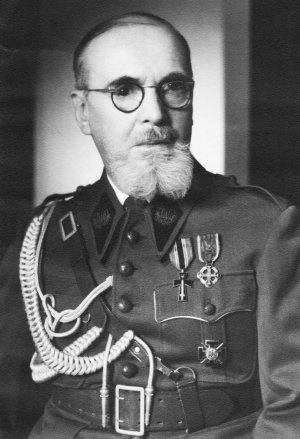
Minister of War of the Ukrainian National Rada Nikolai Kapustyansky.
As follows from the archival data of the SVR of Russia, it is noteworthy that the “special subjects” (read: intelligence and sabotage), including mine-blasting, mountaineering training, principles of operation of agent radio communications and cipher correspondence, were taught by American employees. Those who graduated from the Mittenwald school were sent to other educational institutions of a similar profile for further education, including the school of the Ukrainian police in Stuttgart (before enrolling, graduates of the Mittenwald school additionally studied at three-day courses at the OUN security service), a school in Weilheim (which worked under the cover of a theological seminary in one of the monasteries in Munich).
Other educational institutions of this kind, fostered by the US special services, included intelligence schools in the Bavarian cities of Starnberg and Bayreuth, which fell into the US occupation zone, where they taught radio engineering to members of the OUN-Melnikovites, who were planned to be sent into the USSR and the countries of the socialist camp (primarily Poland and Czechoslovakia). In the town of Gauting, located a few kilometers from Starnberg, there was a special radio workshop disguised as a textile factory. In the same building, the production of false documents was set up, which were supplied to agents who were sent into the USSR.
Despite the active cover-up by the ex-allies of the anti-Hitler coalition who embarked on the neo-Nazi path, the Soviet security agencies received detailed information from sources surrounding the heads and teachers of these subversive institutions. In particular, the following were associated with the school in Mittenwald: Lieutenant General of the UPR Army M.V. Omelyanovich-Pavlenko; a well-known collaborator who became mayor of Dneprodzerzhinsk under the Nazis in 1941-1943, A.M. Samoylenko-Kalinik; UPA sergeant Major M.A. Skorupsky, who personally led the operation to destroy the Polish village of Huta Penyatska in the Lvov region in February 1944. During the war, almost the entire secondary-level teaching staff served in junior positions in the 14th SS Volunteer Grenadier Division “Galicina” and was later bailed out by the Anglo-Saxons. [16]
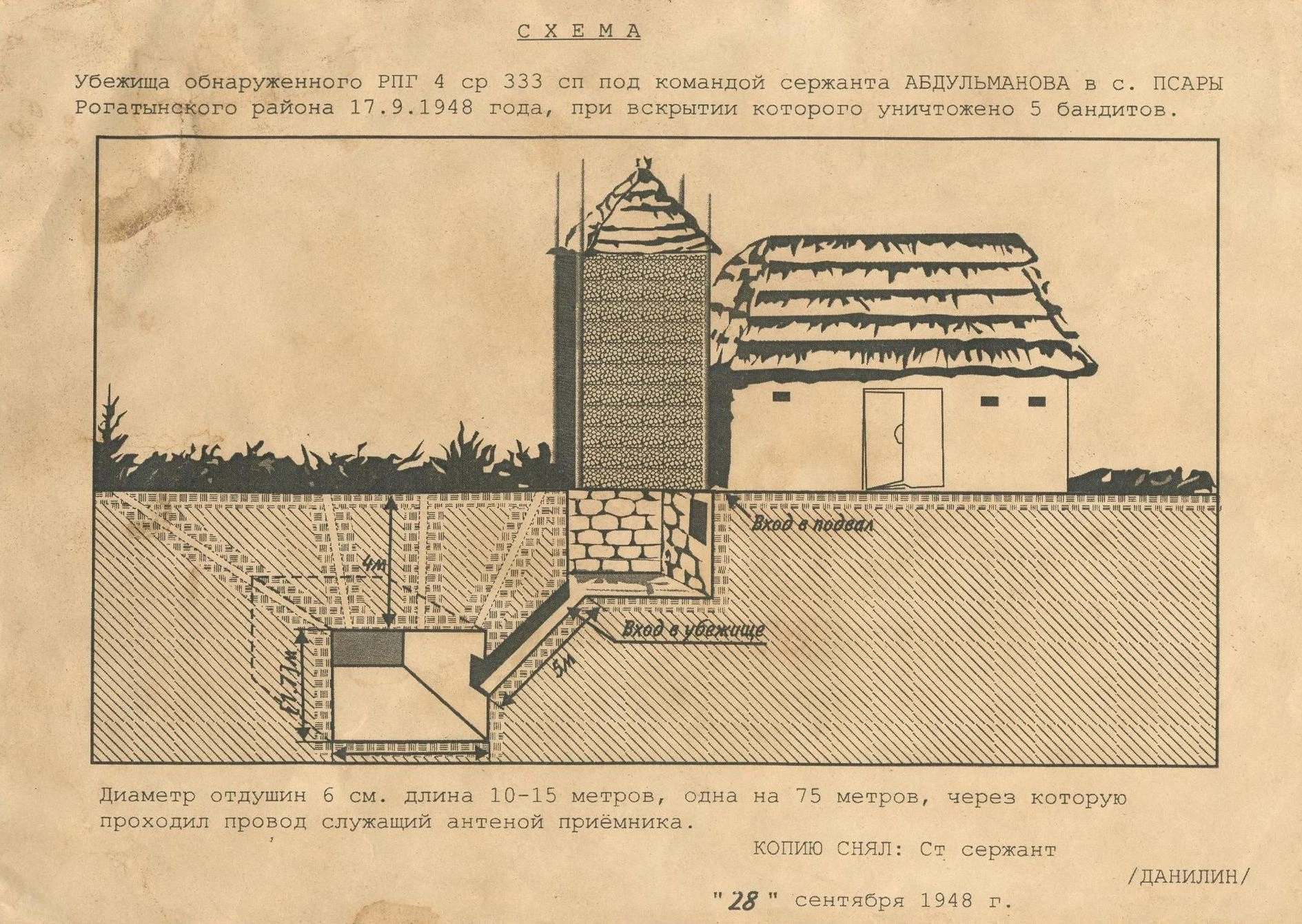
The schematics of the underground shelter of the Ukrainian saboteurs.
Shelters discovered by the border guards under the command of Sergeant ABDULMANOV in the village of PSARY, Rogatynsky district on 17.9.1948, during the opening of which 5 bandits were killed.
The diameter of the vents is 6 cm. the length is 10-15 meters, one – 75 meters, through which passed the wire serving as the receiver antenna.
In 1948-1949, the Second Department of the Information Committee under the Council of Ministers of the USSR informed the Second Main Directorate of the USSR Ministry of State Security about the existence in 1946-1948 in the capital of Francoist Spain of an intelligence and sabotage school created by the OUN-Bandera center abroad, in contact with the intelligence services of the United States and England. In total, at that time, there were 24 “unfinished” SS men on the staff of this facility from the former Galicia Division. The main task of the school was to train sabotage scouts for deployment to the USSR. The program included such disciplines as the method of conducting intelligence, organising armed action, methods of using terror against the population, obtaining material resources to finance the underground, organising propaganda, conducting sabotage in production and transport. In addition, the students of the school studied foreign languages, with special attention paid to the study of Russian, German and English. They were provided with good financial conditions: each of them received $100 per month (a decent amount at that time). In 1949 The Madrid Intelligence School was relocated to Toledo, South-West of Madrid.
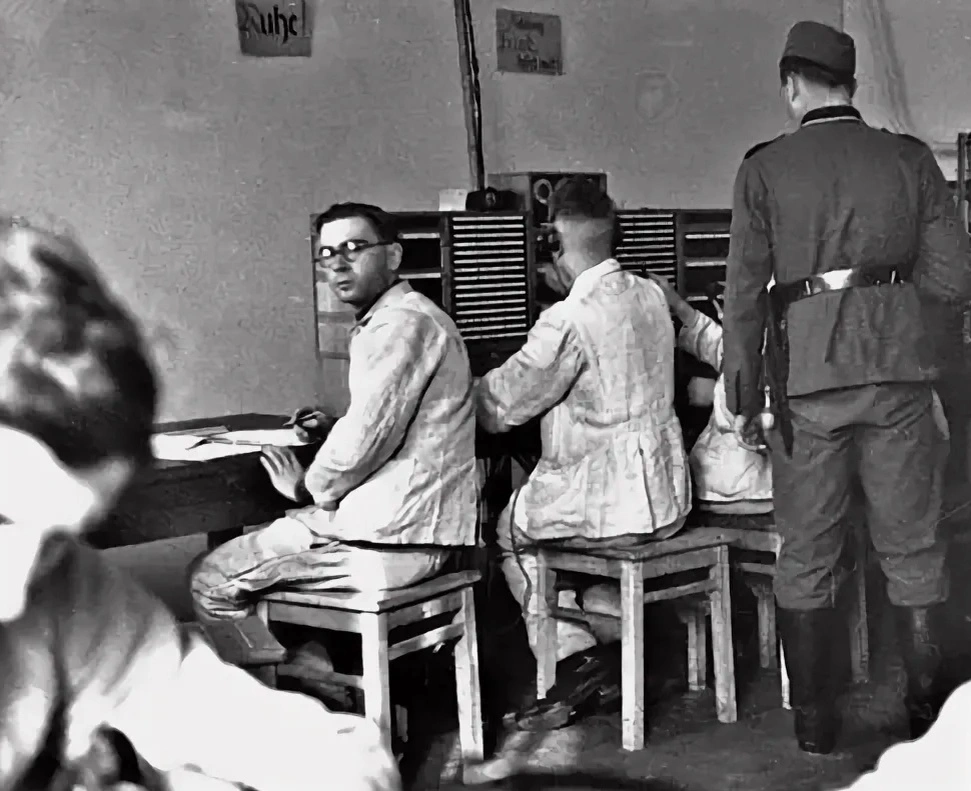
In a class at the intelligence school.
Since 1949, as part of the operation “Red Socks”, the Anglo-Saxons have been transferring trained saboteurs in small groups to the territory of the USSR and the countries of popular democracy in order to collect information about the state of their defence capabilities, as well as to support the nationalist movement in Western Ukraine and the possible spread of its influence to the east of the republic, and in the future – to Belarus, Poland and the Baltic States. The central element of the operation was planning to organise a large-scale uprising in Ukraine. Dozens of agents took part in the mission, and it became one of the largest covert operations of the United States and Great Britain in Europe. However, the Soviet secret services managed to intercept almost all trained agents. They were either captured or eliminated, and some were turned over. [17]
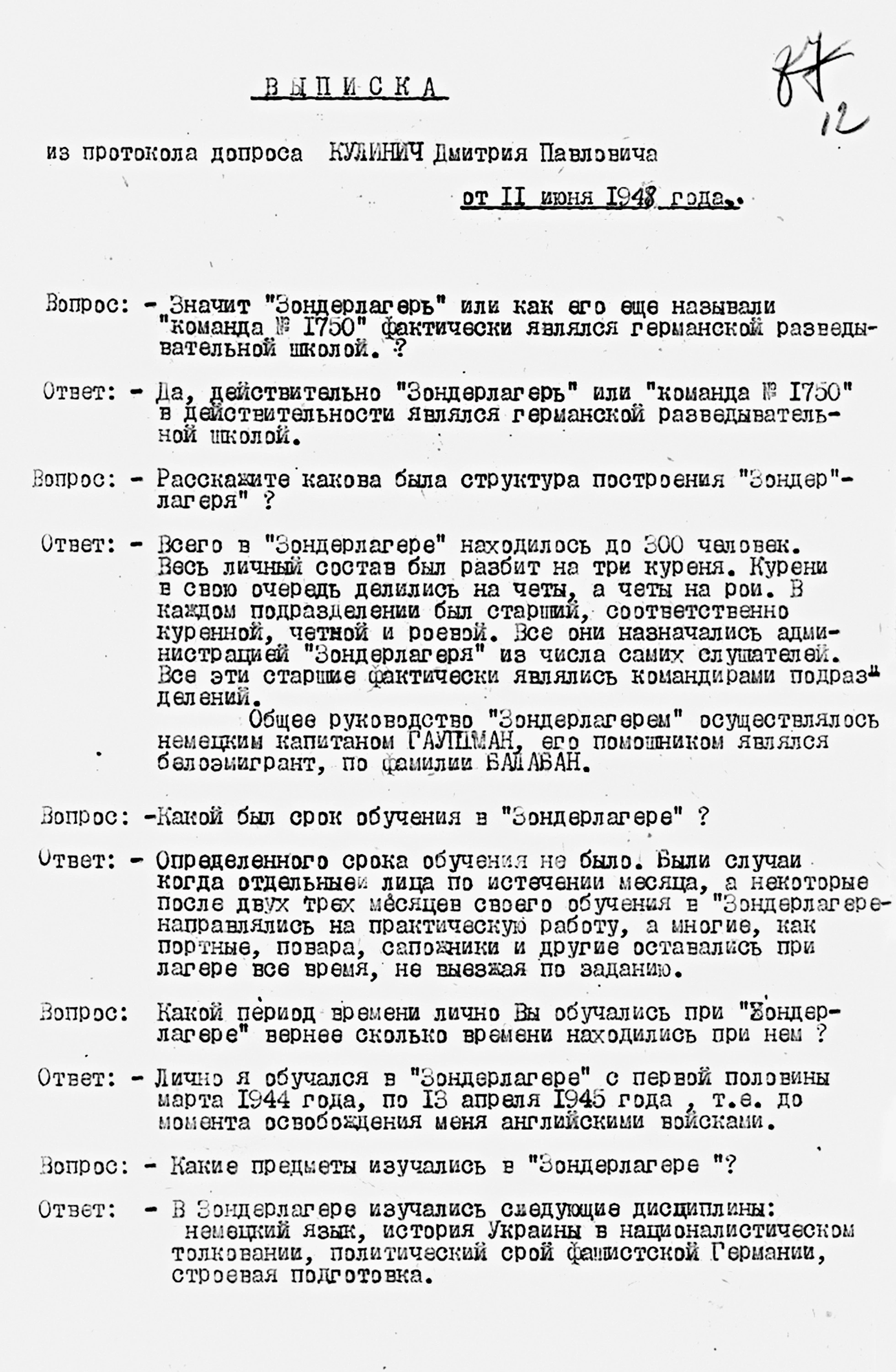
Extract from the protocol of D. Kulinich’s interrogation about his stay in the sonderlager No. 1750, where sabotage agents were trained.
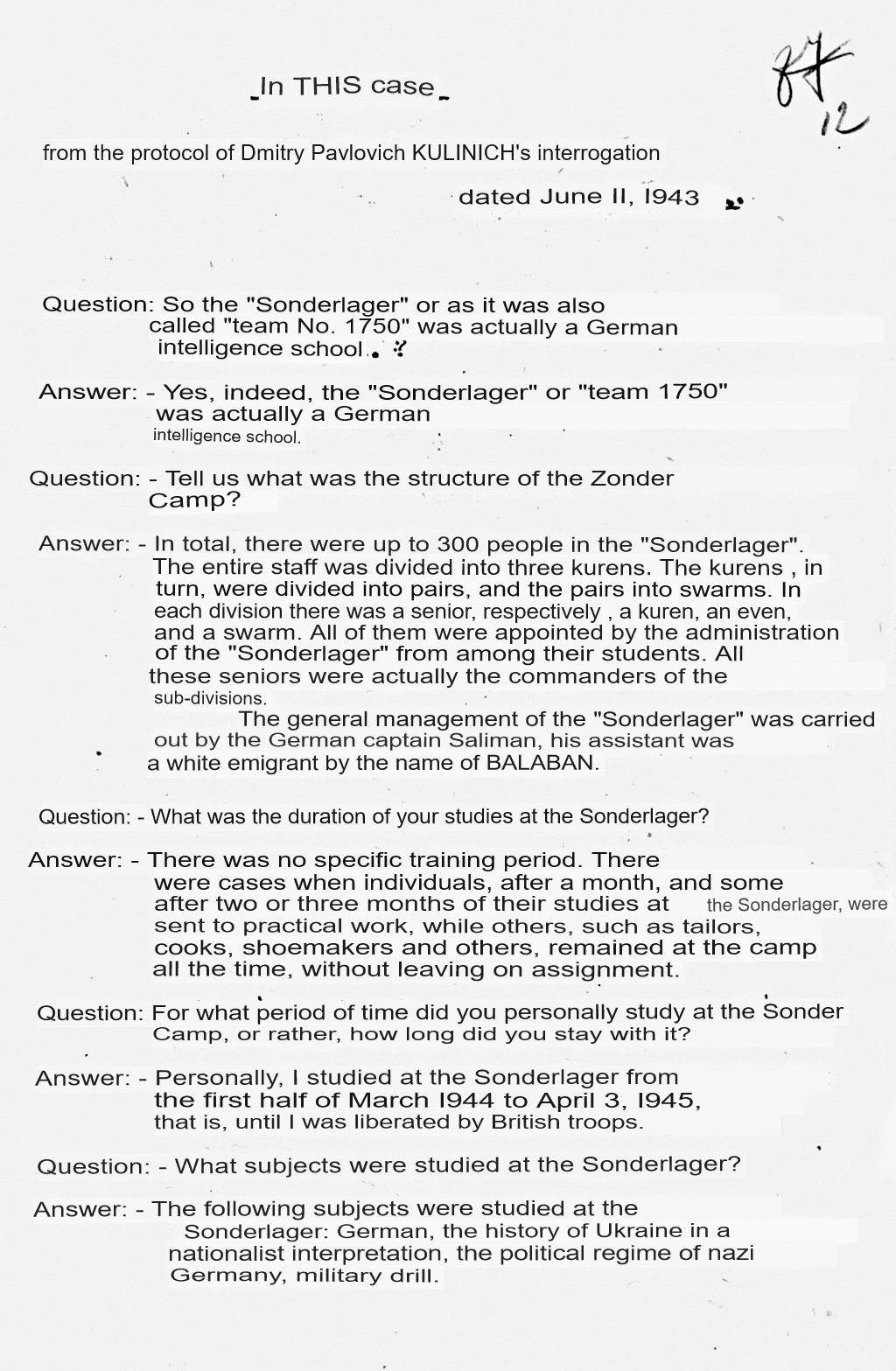
Extract from the protocol of D. Kulinich’s interrogation about his stay in the sonderlager No. 1750, where sabotage agents were trained. (translated)
Information about subversive activities against Moscow and its allies was confirmed by the subsequent testimony of terrorists captured on Polish territory – V.N. Kowalski (Didovich), who arrived in early 1948 in Krakow, Poland, with the task of organising radio communications with Munich (he was recruited as an agent of the Ministry of State Security of the Ukrainian SSR under the pseudonym “Bayda”), as well Agents P. Glyn, V. Konash, and Ya. Ostapchuk, who had secret writing tools and portable radio stations with them for communication with the central “Wire” of the OUN and American intelligence in Munich (identified and arrested in 1950). During the interrogation on June 13, 1950, the arrested P. Glyn testified:
“Since June 1944, I served in the German intelligence agency “Abvergruppe-Horst” field post No. 06789-L, where I was until the day of the German surrender. While in Germany, in 1948 I established contact with American intelligence and twice in 1948-1949 I was sent on reconnaissance missions to Poland. I became involved in cooperation with American intelligence in 1948 by “Marko”, who was one of the leaders of the OUN-Melnikovites and, as an agent of American intelligence, was associated with a number of other American agents from among the members of the OUN.”
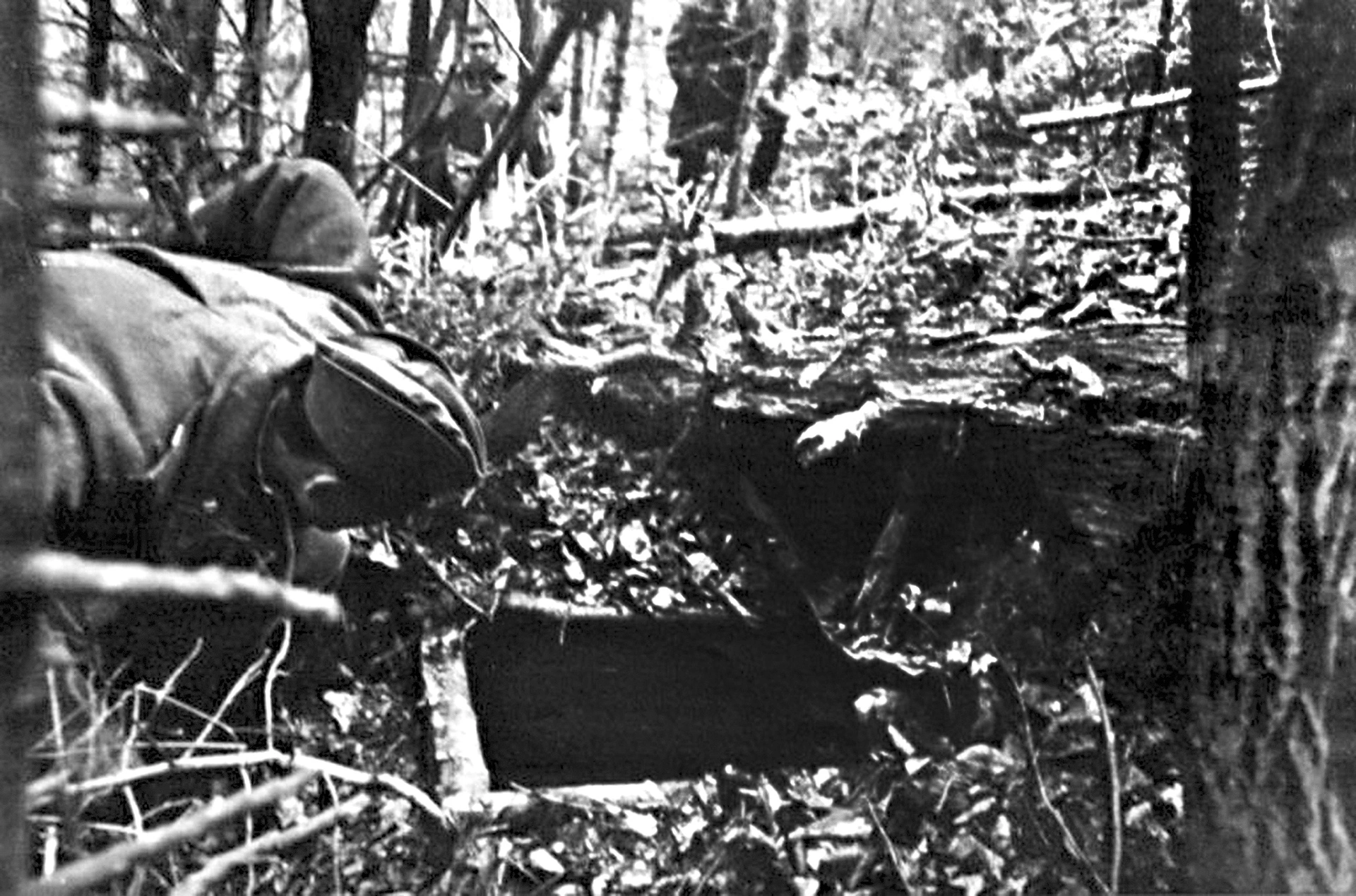
A hole in the hiding place of the UPA bandit underground near the Ukrainian village of Petrikov, discovered by an NKVD detachment.
The Anglo-Saxons drew conclusions from the failures of “Belladonna” and “Aerodynamic”. Having paused the preparation of large-scale armed actions on the territory of Ukraine, they engaged in a strategic study of the theatre of psychological warfare and future military operations. As a result, Georgetown University, commissioned by the CIA, developed a so-called “loyalty card” of the Ukrainian population to the “American invasion forces”. In the report prepared by the CIA in August 1957, “Resistance Factors and Special Forces Areas – Ukraine”, the territory of the Soviet republic was divided into 12 zones. According to analysts, in terms of “historical features, religious preferences and faiths”, Crimea (zone 1), Donbass (zone 2), and the northeastern region of Ukraine (zone 3) are “Russian islands in the Ukrainian Sea and, therefore, identify themselves with Russian interests and the Soviet government.” [18] In the same vein, although with certain reservations, they assessed the situation in zones 4-7 (Odessa region, Black Sea lowland, Dnepropetrovsk and Zaporizhie regions, the Left-side and Northern Steppe regions).
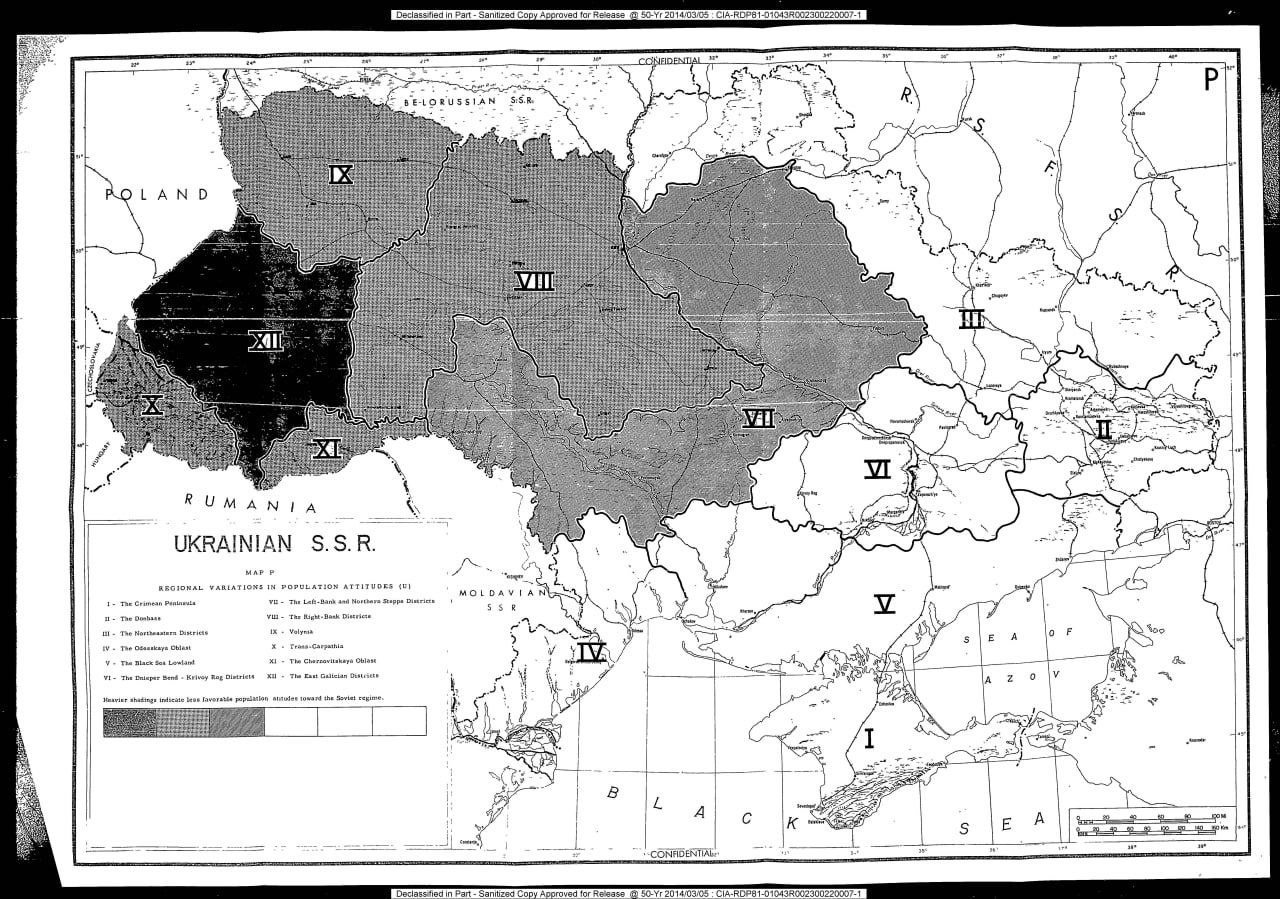
In the 1957 CIA report “Resistance Factors and Special Forces Areas – Ukraine”, Ukraine was divided into 12 “loyalty zones” – loyalty to the American invasion forces.
The document on Ukraine is very thorough, containing not only the analysis of the political fault lines, but also details on climate (like snowfall and temperature), natural resources (like forestation), and transportation, as befits someone who plans to make use of the newly-acquired territories.
It also looked at the areas that offered resistance to the Soviet Power during the war – an euphemism for who were the Nazi collaborators there.
From Telegram channel “Beorn And The Shieldmaiden”
Meanwhile in zones 8-12 – to which Georgetown ascribed Kiev, Zhytomyr, Cherkasy, Volyn, Chernivtsi, Lvov, Ternopol, Ivano-Frankovsk and Transcarpathian regions – the American special services planned to focus their main efforts on strengthening Bandera’s postulates in the historical and cultural consciousness of the population of these regions aimed at splitting Ukraine and separating it from Russia. Further developments have shown that it is no coincidence that pockets of powerful civil resistance were formed in 2014 as a response to the the civil war, unleashed upon the country by the nationalists, specifically in the Crimea and the Donbass (the most problematic zones from Washington’s point of view: zones 1 and 2).
3. Perfidious Albion, or the Englishwoman shits, as per usual
Of course, it was not only Washington that fed the Ukrainian renegades. The British also played a significant role in nurturing political Ukrainianism, strengthening their terrorist nature, and maximising the involvement of former Nazi criminals from among the “Nezalezhnaya” (“Ukrainian”) collaborators. There is a highly-notable testimony of M.V. Matvieiko, the head of the OUN’s “security service”, who on the night of May 14-15, 1951, with a group of 6 scouts and radio operators, was dispatched into the territory of the USSR from an English four-engine transport aircraft in the Ternopol region with special assignments from Stepana Bandera (the American intelligence was aware of the dispatchement [19]). They had with them shortwave radio stations, codes, ciphers, secret writing tools, topographic maps, fictitious documents of Soviet citizens, as well as a whole arsenal of automatic weapons with ammunition. As it turned out, all the terrorists were active members of the OUN, selected in the British occupation zone of Germany and in March 1951. They were sent to London to an intelligence school to undergo training under the guidance of intelligence officers. They were stationed in the capital under the guise of Poles and provided with relevant fictitious documents. They were trained in the methods of intelligence and counterintelligence work, encoding and transmitting the collected espionage information by radio and using secret writing. For 8 days, at the Royal Air Force airfield in Abington, dressed in the uniform of British soldiers, they trained in parachuting under the guidance of several officers of the British army. The route to the USSR passed through Malta, then Greece, Bulgaria and Romania. According to M.V. Matviyko, who referred to a conversation with S. Bandera and Ya. Stetsko, the decision to release the paratroopers was made at an interdepartmental meeting of the British Cabinet with the participation of the Minister of Foreign Affairs, the Minister of the Air Force and the head of intelligence. With reference to the possibility of an imminent war between Great Britain and the United States against the USSR (as a result of which the future “Nezalezhaya” – meaning, “Ukraine” was allegedly going to be granted independence [20]), illegals were tasked with activating the work of the OUN underground, establishing permanent communication with London, creating conditions for the reception of new groups of paratroopers, saboteurs, and intensifying contacts with the clergy of the Greek Catholic Church, whose Hierarchs welcomed the fascist occupiers with open arms. There was also a task to establish, if possible, contact with anti-Soviet formations interested in cooperation on the subject of national separatism. In addition, the talked about holding an illegal conference in the western regions of the Ukrainian SSR to resolve organisational and programmatic issues. Moreover, the British special services even fantasised about transferring Bandera himself to Ukraine! However, the crazy ideas were abandoned for quite prosaic reasons – the OUN leader himself considered that “the process of parachuting near Kiev is risky, because in the eastern regions the population can give him out”. Thus, this proves once again that even the most frostbitten leaders of Ukro-nazism, whom modern Banderites pray for today, proceeded from the immutability of the fact that Kiev was located inside our geopolitical strategic borders, where the nationalists had neither supporters nor a “food base”.
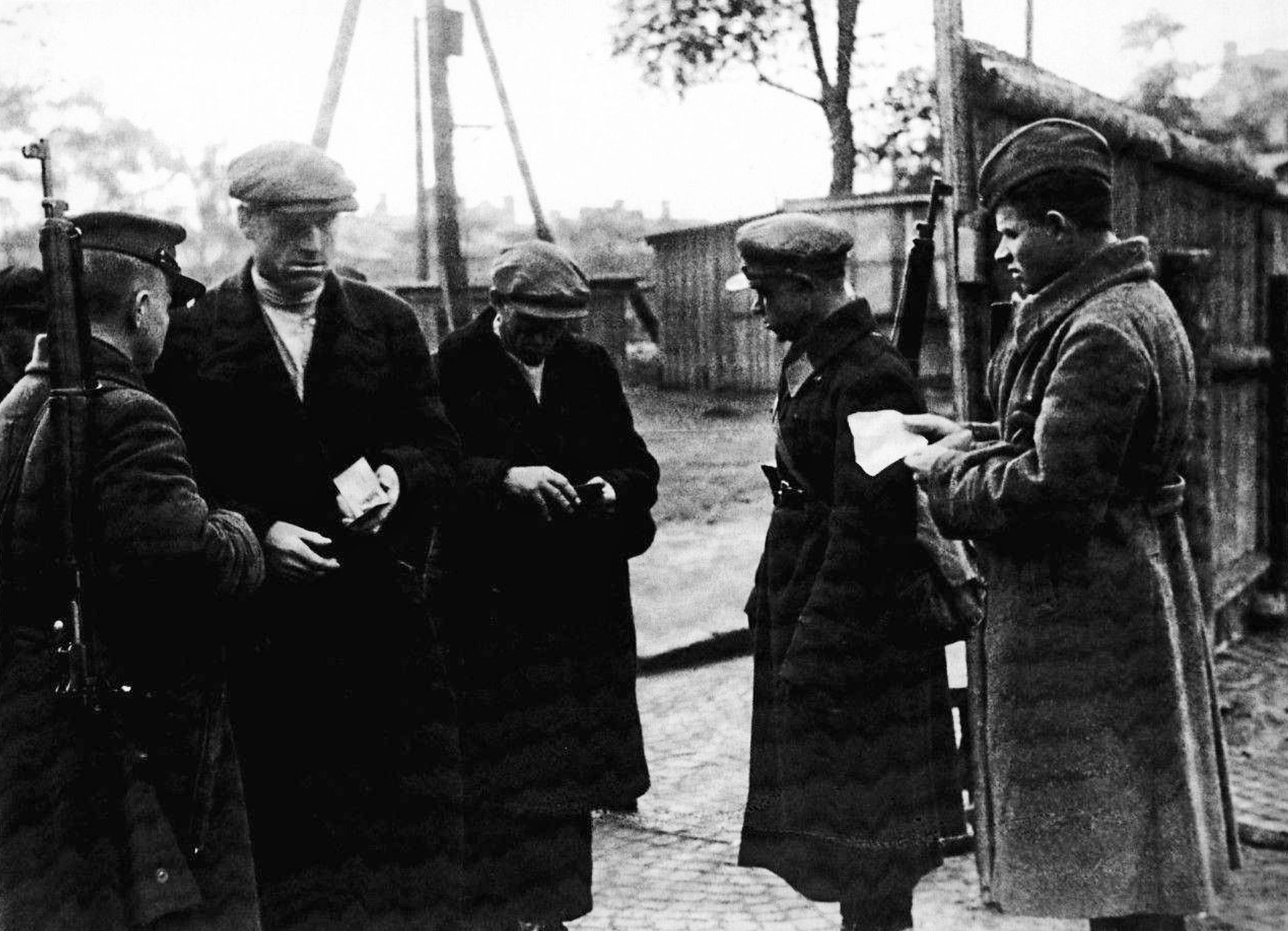
Post-war Ukraine. Document check.
The Americans did not lag behind, either, when they in 1951 asked the OUN to send 200 members of the organisation to American intelligence schools to prepare for deployment to the Soviet Union, create “sleeping cells” in our country and then use them in subversive activities during the outbreak of the war. [21]
Such pencil strokes clearly illustrate not only the terrorist nature of the Bandera regime, whose spiritual descendants are the current temporary workers on Bankova street. Nothing has changed in their methods today.
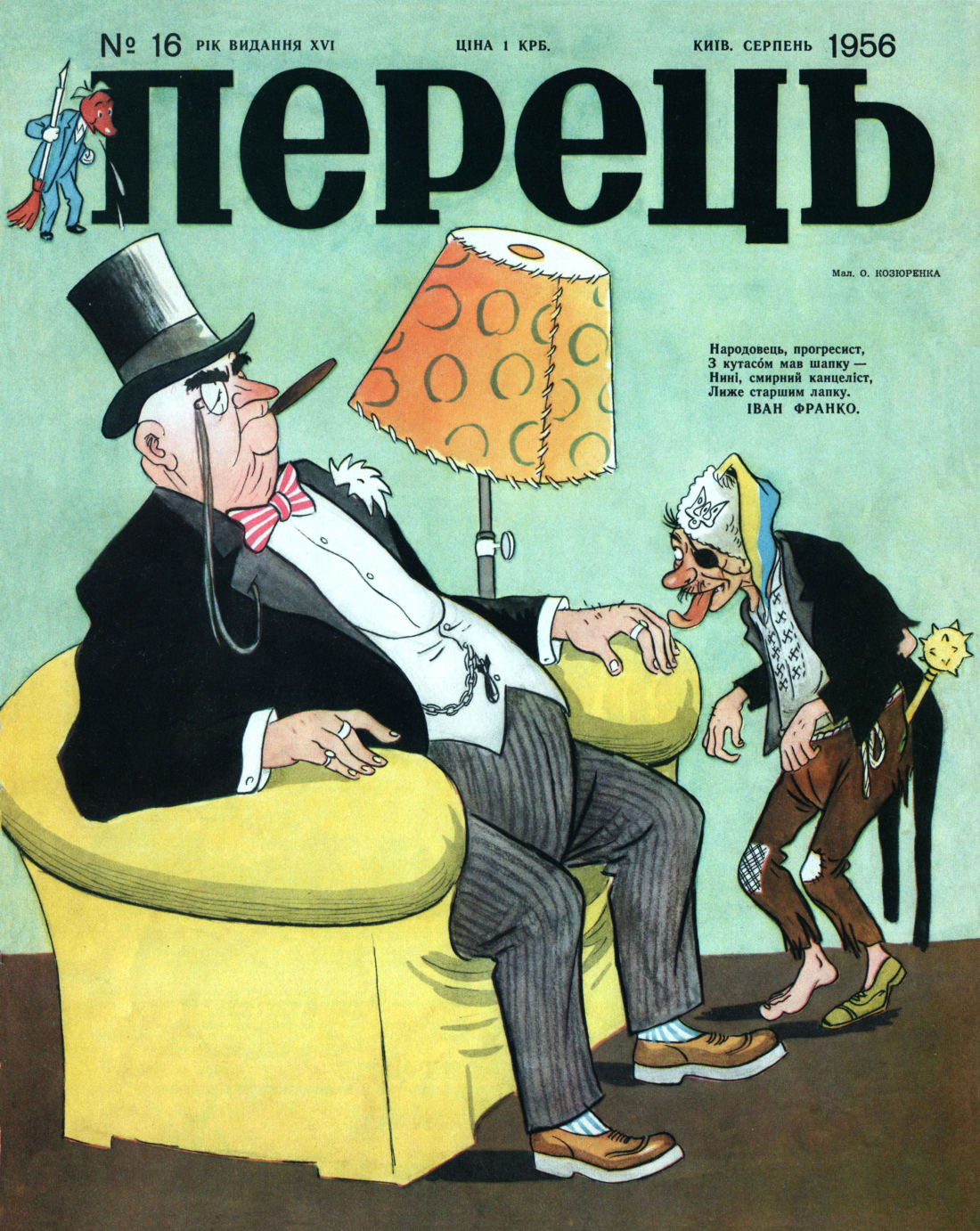
In September 1956 Soviet satirical magazine “Perec” (Pepper) published this caricature as cover, ridiculing Ukrainian nationalism.
The progressive “People’s Willer”,
Had a dashing pompon hat –
Nowadays an obedient clerk,
Licking the paw of the elders.
— Ivan Franco
This rhyme wad written by Ivan Franco sometime in 1880s and had a different “elder” in mind.
However, 70 years later, the essence of Ukrainian nationalism had not changed, even if the “elders” had.
And then, after 70 more years, both caricature and rhyme remain spot on as to current events.
A whole region in Western Ukraine is named after Ivan Franco, and, he is seen as one of Ukraine’s prominent literary figures. Yet, in his diary he noted that he was mortally offended that someone called him “Ukrainian” as everyone knew he was a Rusin (Ruthenian).
The hat, referred to in the rhyme (with “kutas” or “pompon”) can be seen here.
From “Beorn And The Shieldmaiden”
In the context of the bombings of railway tracks in the Bryansk and Kursk regions in June 2025, President Vladimir Putin explicitly stated that this was “a terrorist act. Decisions on the commission of such crimes, of course, were made in Ukraine at the political level. The already illegitimate regime in Kiev, which once seized power, is gradually degenerating into a terrorist organisation, and its sponsors are becoming accomplices of terrorists.” The Supreme Commander clearly outlined the situation: “Against the background of huge losses, retreating along the entire line of contact, trying to intimidate Russia, the Kiev leadership turned to organising terrorist acts.” [22]
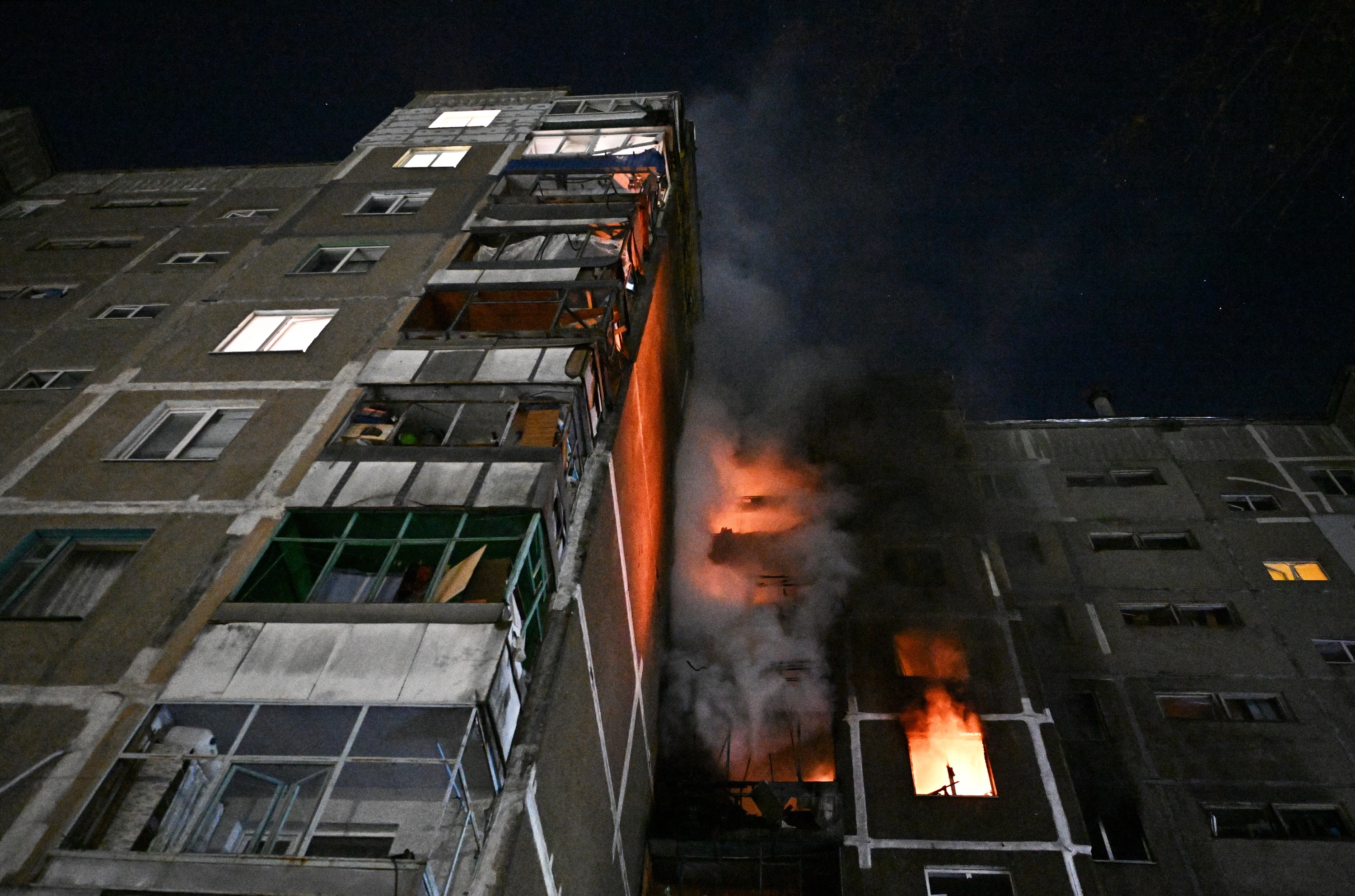
An apartment building damaged as a result of the bombing of Kursk by drones of the Armed Forces of Ukraine.
Is there any fundamental difference between the actions of the henchmen of the Krovoy Rog clown-dictator and the terrorist attacks of the Bandera-CIA gang of the 20th century? None ate all. This is eloquently evidenced by statistical data. In Russia, 1,191 terrorist attacks were registered in 2024, compared to 410 in 2023, according to the Interior Ministry. The number of terrorist crimes also increased from 2,382 in 2023 to 3,714 in 2024. [23] According to the FSB of Russia, the Ministry of Foreign Affairs of Russia, the Ministry of Internal Affairs of Russia, the SVR of Russia, and the Federal Security Service of Russia, 554 terrorist crimes were committed in Russia in four months of 2025, while in four months of 2024 – 205. Including 377 terrorist attacks (shelling and sabotage and terrorist attacks from the Ukrainian side) were committed in the border territories of Russia, 11 terrorist attacks were prevented. Almost all terrorist attacks are related to shelling and sabotage and terrorist activities carried out by the Ukrainian armed forces and special services.
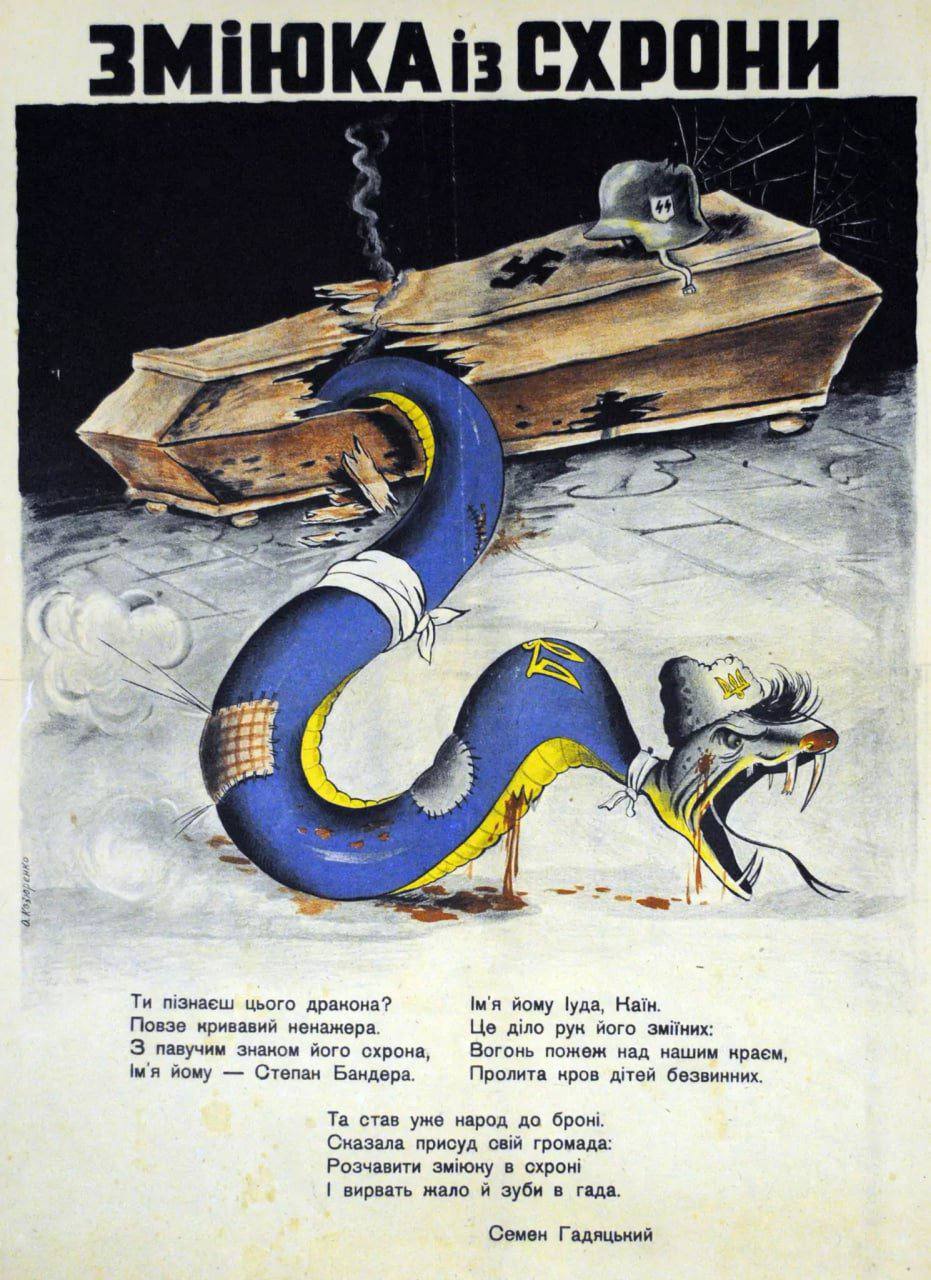
A Snake from a Hiding Place
This caricature and the poem were published on the pages of the journal “Radjanska Ukrainia” (“Soviet Ukraine”) on the 15th of March 1945.
⚡️⚡️⚡️
Do you recognise this dragon?
A bloody glutton crawls.
With the spider sign on his hiding place
Its name is Stepan Bandera.
Its name is Judas, Cain
This is the work of its snake hands:
The fire burning over our land,
The blood of innocent children spilled.
But the people were already up in armour.
The community spoke its verdict:
Crush the snake in its hiding place
And pull out the sting and teeth of the serpent.
—Semyon Gadyatsky
From “Beorn And The Shieldmaiden”
The consumerist approach of the Anglo-Saxons is perfectly illustrated by the words of the aforementioned MV Matveyko: “All the efforts of Okhrimovich [on May 19, 1951, he was landed by the Anglo-Saxon special services in Western Ukraine; on October 6, 1952, he was arrested by the MGB of the Ukrainian SSR; convicted by the military tribunal of the Kiev Military District and shot on May 19, 1954] were unsuccessful, because in his speeches he always tried to fantasise about creating an “independent Ukraine”, while the Americans wanted from him only one thing – agent network.” Such a policy, however, was allowed only during the period of aggravation of the block confrontation. As noted earlier, after the Cold War entered its prolonged phase, as well as after the attempts of the nationalist Ukrainian movement to unleash a terrorist war were disrupted by the Soviet law enforcement agencies in the late 1940s and early 1950s, American intelligence agencies had to stop aggressive anti-Soviet operations.[24] Since that time, the CIA and their British and Canadian colleagues have moved on to an ideological struggle, the basis of which was laid back in the 1940s.
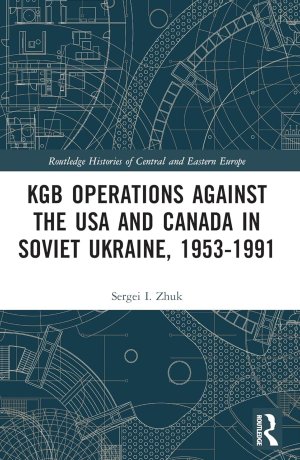
Compendium “KGB operations against the USA and Canada in Soviet Ukraine in 1953-1991”.
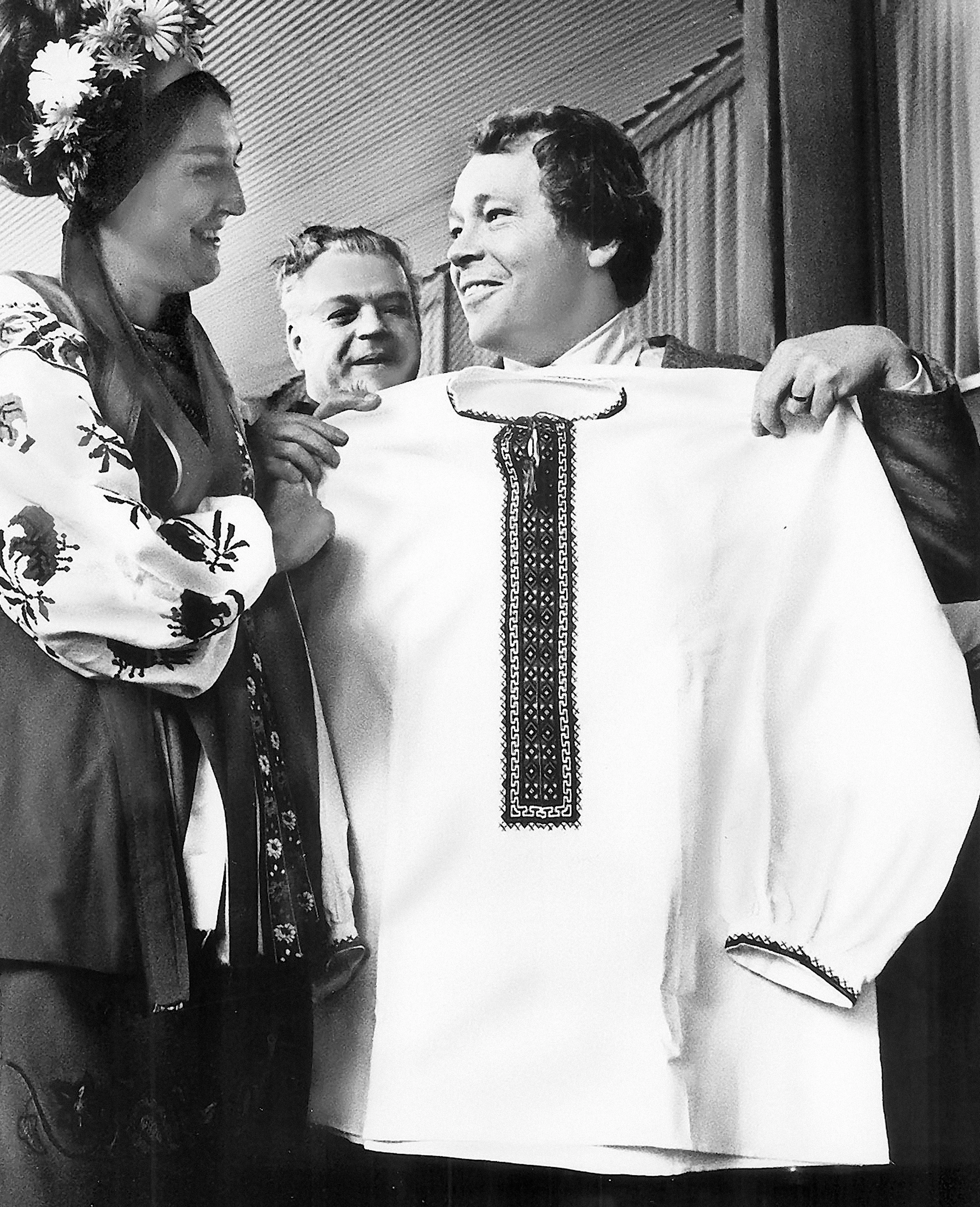
The Ukrainian diaspora in Canada increased rapidly after the War.
Nothing changed in the 1960s or the 1970s. After several decades, it becomes clear that the official Soviet propaganda was right in almost everything, exposing the destructive nature of political Ukrainianism and their Anglo-Saxon leaders. Almost every year, the KGB of the Ukrainian SSR reported to the leadership of Soviet Ukraine about “the use of nationalist organisations by American and British intelligence services in conspiratorial anti-Soviet activities”. Moreover, KGB officers disclosed the CIA plans to use Ukrainian emigrants recruited by American intelligence for espionage operations in the industrial areas of Eastern Ukraine. [31] Ukrainian nationalist formations served as a base for Western intelligence services to recruit agents to carry out subversive work against the USSR, including by sending agents to the Soviet Union through legal channels (tourism, entry on private visas, etc.) to collect intelligence information, as well as by actively using Soviet citizens abroad in the study and hostile preparation. An extensive network of various political, scientific, cultural and educational organisations with a hideous Ukro-nazi grin, which received funding from the West for anti-Soviet agitation, quietly operated in the United States, Great Britain, and Canada. Among them are the Ukrainian Congress Committee of America, the Association of Ukrainians in America, the Committee of Ukrainians of Canada, the Ukrainian National Council, the Ukrainian Revolutionary Democratic Party, Foreign units of the OUN Revolutionaries, the Union of Ukrainian Youth, the Scientific Society named after T.G. Shevchenko, Ukrainian People’s Union, Ukrainian National Guard, Ukrainian National Unity, League for the Liberation of Ukraine, Union of Ukrainians of Britain, Ukrainian Workers’ Union, Ukrainian National Democratic Association, Ukrainian People’s Union, Union of Ukrainian Veterans. [32]
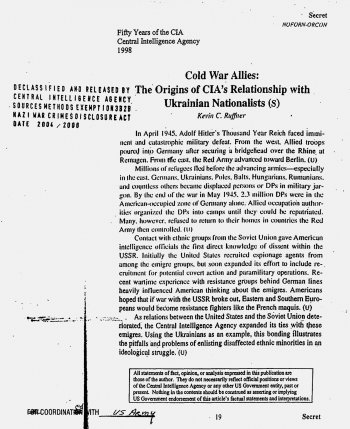
Kevin Raffier. “Cold War Allies: The Origins of CIA’s Relationship withUkrainian Nationalists.”
According to the draft program, the basis of the actions of the Ukrainian people in the conditions of Soviet reality was to be a “secret underground struggle”. With this in mind, the organisation intended to find ways to create a secretive nationalist organisation in Ukraine and select, from their point of view, capable leaders for its individual links, who, for the purposes of conspiracy, were recommended to live outside the Ukrainian SSR. According to the ringleaders of the UGVR, the tactics of underground struggle had to be supported by “legal actions” within the framework of existing Soviet laws, which gave a certain freedom of action to “Ukrainian patriots” and at the same time limited the ability of the Soviet judicial authorities to prosecute them. The nationalists also hatched plans to “decouple” the Communist Party of Ukraine from the CPSU. To this end, they intended to direct their activities towards the gradual conquest of “elementary positions” in various areas of the life of the Ukrainian SSR, to the struggle for the gradual expansion of the national population, especially members of the Communist Party of Ukraine, and the formation of revisionists among them.
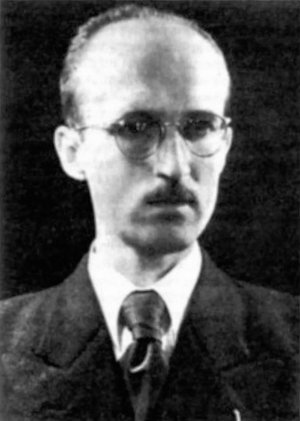
Yaroslav Stetsko
The “colonial exploitation of Ukraine by Moscow” was a favourite topic of various gatherings such as the “world congresses of free Ukrainians”, which tried to consolidate the forces of Ukrainian emigration, especially in the United States, Canada and Great Britain, to launch propaganda and subversive activities against the USSR. To give this choir harmony and polyphony, it was customary at such events to arrange for real neo-colonialists to appear on stage. So, on November 1, 1973 The opening of the second Congress of Ukrainians was attended and welcomed by the Minister of Ethnic Development of Canada, S. Haydash. Another member of Trudeau’s cabinet at the time, Minister of Health M. Lalonde, attended a banquet hosted for congress participants, where he also delivered a speech. [33] And in general, beginning already in the 1950s, the Ukrainian nationalist camp and its densely branched offshoots were receiving the direct support of the Anglo-Saxon governments, in particular the Canadian ones, for the “decolonisation” agenda. [34]
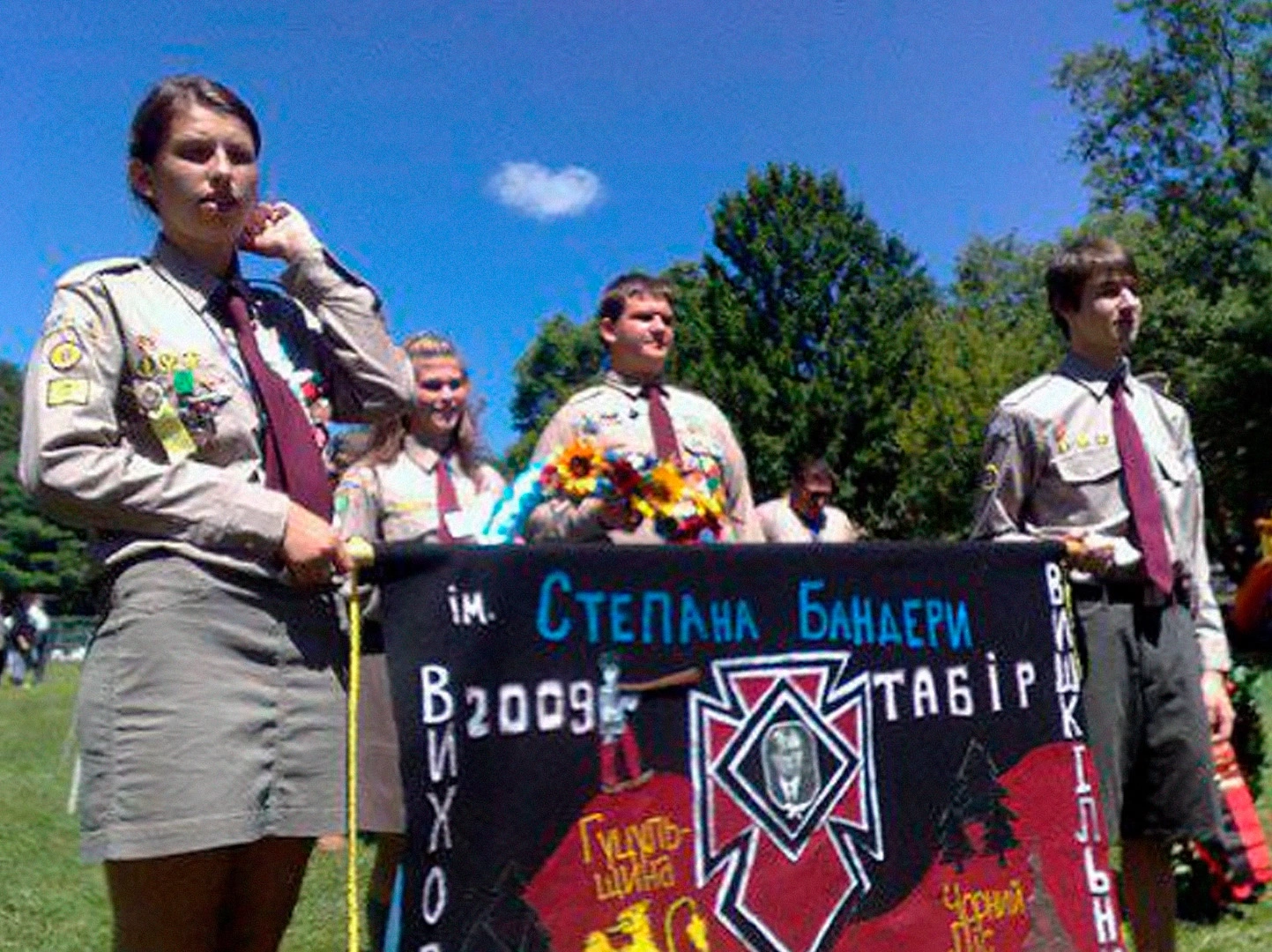
A new generation of Ukrainian nationalists.
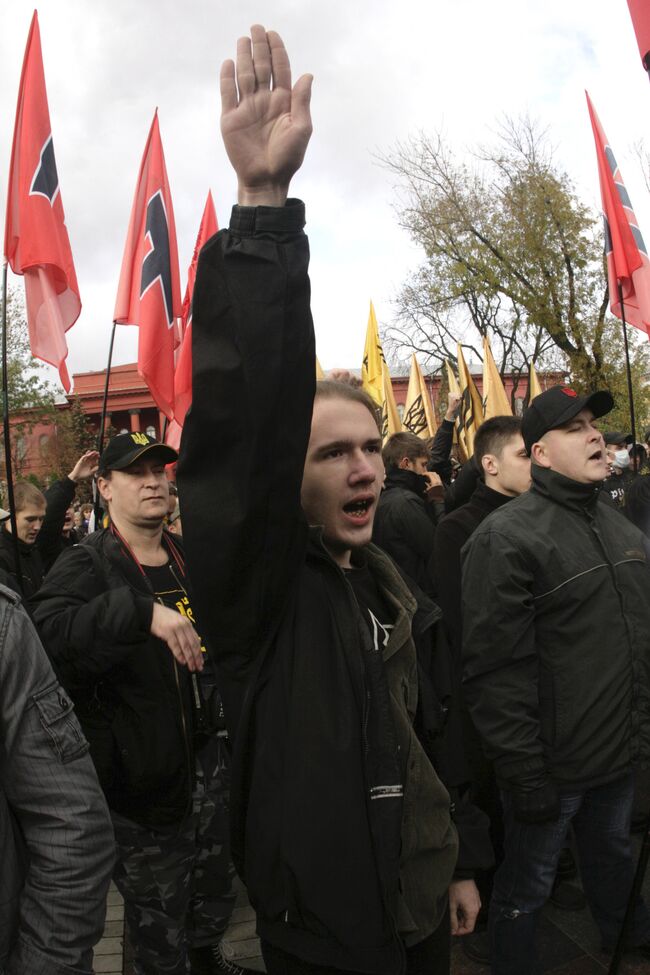
A new generation of Ukrainian nationalists – marching.
American and British think tanks that discussed the interests of government and business elites, as well as major universities, understood well the main purpose of their actions: the split of Soviet unity along ethnic lines. Even the falsification of data on the economic development of the Ukrainian SSR was carried out in order to prove that joint farming within a single state could not provide the population with a higher level than potential “self-sufficiency”. Attention was paid to the “oppressed Ukrainian people” there when their preparations were underway for confrontation with the Russians, and the conviction was imposed that it was necessary to undermine the territorial integrity and internal political unity of the USSR. [35]

On June 20, 2023, some Gunther Fehlinger, apparently a “Chair of European Committee for NATO Enlargement for Kosovo, Ukraine, Bosnia, Austria, Moldova, Ireland, Georgia, EU” (mostly concerning the places where trouble can be stirred) posted an X-Tweet with an image of a partitioned Russia, under a prettified title of “Why Russia must be Decolonised” and a link to a EuroMaidan article arguing that Russia is not a federation and it is thus an open season on dividing the skin of the not-yet-killed bear (as the Russian saying goes). It does not disconcert them that the exact same argument that they are making can be applied to the USA, UK, Germany, Switzerland, Belgium, Norway and quite a number of other candidates for “decolonisation NATO-style”.
From our article Occupation of Russia by the USA in 1918-1920. The “international intervention” during the post-revolutionary unrest
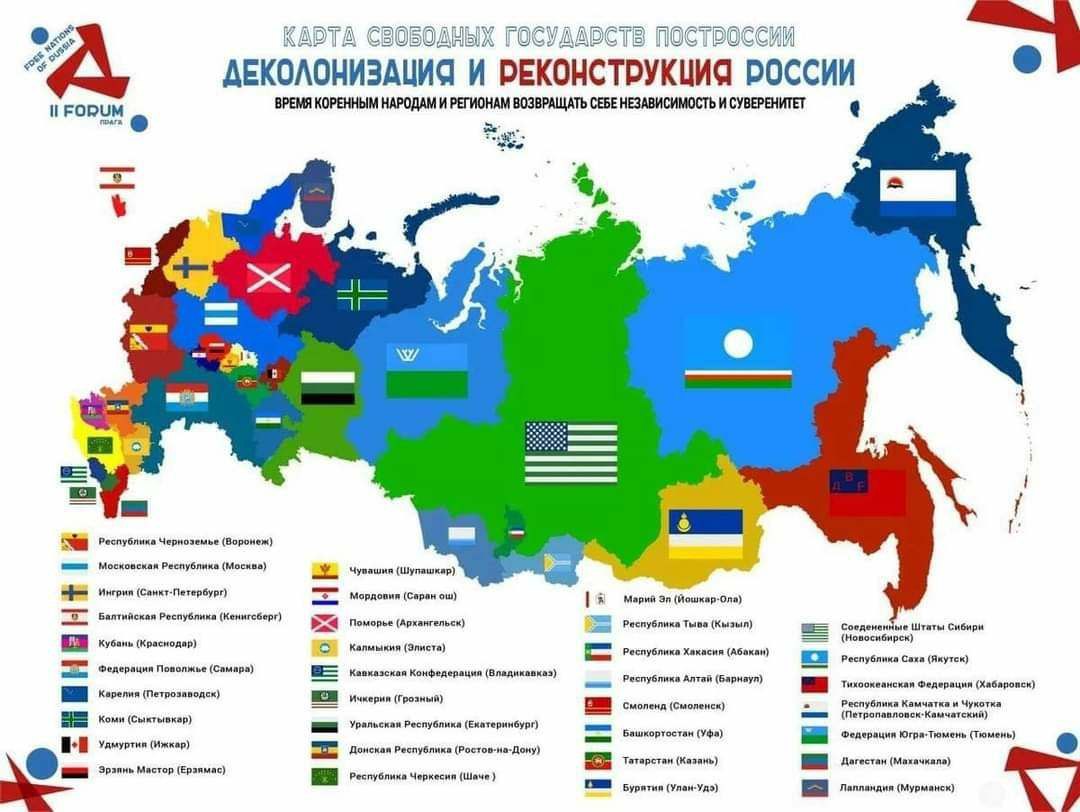
On January 31, 2026, the fifth “Forum of Free Peoples of Post-Russia” took place in Brussels.
In the European Parliament building, Russia’s enemies gathered local internet activists-separatists, who pose as representatives of Russian regions, eager to gain “independence after Russia’s defeat in Ukraine”…
At this gathering, there were also calls not only to dismember Russia, destroy it, but also to deprive Russia of nuclear weapons and, of course, to provide intensive military support to the Kiev junta, controlled by the USA/NATO.
Secondly, absolutely all structures – public associations, NGOs, cultural institutions, mass media, etc., feeding on the field of “decolonisation of Russia” – should be included at least in the list of undesirable organisations, and at most – extremist and terrorist ones. Let’s be honest: the Taliban movement, which has been on the relevant lists for a long time, has caused much less damage to modern Russia than all these pseudo-scientific institutions aimed at destroying our country under the guise of helping the oppressed. Their goal has always been the same: to divide the multinational people of Russia.
4. Old tales from New England
However, terrorist subversive activities alone, even if they are heavily seasoned with a national separatist and murderous ideological agenda, will not get you far. Peremptory anti-Soviet rhetoric, which often broke down into a hysterical peak, was ubiquitous and commonplace in the Western media, popular science and socio-political discourse of that time. Human rights issues have always been the cornerstone, used to indiscriminately criticise the Soviet system.
At the same time, even such a Russophobic fantasy policy could not really be sufficient as a justification for the mantra of the need for accelerated state-building of the “Ukraine” in isolation from historical Russia. Why?
A vivid symbolic narrative was needed to explain the new reality. It was necessary to invent an object of quasi-religious faith and introduce it into the mass consciousness. In the “Ukrainian world view” such a myth was supposed to act as a scheme of collective perception of all future generations, which would not require any further thought.
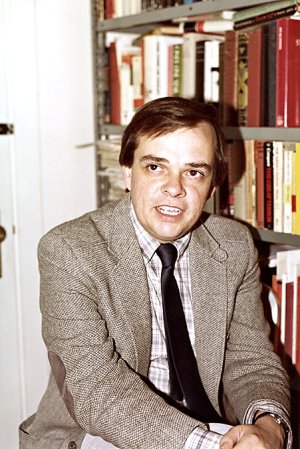
The architect of the “Ukrainian Holodomor”, James Mace.
Since the early 1980s, a special myth about the “Holodomor”, allegedly artificially created by the Soviet government for the genocide of ethnic Ukrainians, has been spreading in public Anglo-Saxon discourse. No less purposefully and harshly, attempts were made to forget the real famine of the 1930s in other Soviet republics. In September 1984, the U.S. Senate adopted resolution S2458 on the establishment of a commission on hunger in Ukraine. The goals of the structure and the results it was supposed to achieve were mockingly defined right away – “to carry out a study of the famine in Ukraine in order to spread knowledge about hunger around the world and ensure a better understanding of the Soviet system by the American public in order to identify the role of the Soviets in creating famine in Ukraine”. The team included several senators and congressmen, an influential right-wing conservative employee of the Reagan administration, G. Bauer, and, of course, J. Mace became the chief scientific adviser and de facto leader, and $400 thousand US dollars were allocated for the work. In April 1988, the U.S. Congress was presented with a voluminous, more than 500-page report with eye-watering conclusions. The main revelations boiled down to the theses about “a large number of starved inhabitants during an artificial famine that had nothing to do with the drought”, as well as the political background of the causes of the so-called Holodomor: “Iosif Stalin and his entourage committed genocide against ethnic Ukrainians” in order to “neutralise them politically.” The researchers, of course, ignored the fact that thousands upon thousands of residents of other republics of the USSR were starving and dying of hunger during this period.
As can be understood from its report, the commission came to all these absurd ideologised results on the basis of oral testimony from certain eyewitnesses, historical novels published in the USSR, publications in “Samizdat” (“Self-publishing”) literature and the media of the “perestroika” era in the Soviet Union. The fabrications of Ukrainian nationalists who found refuge overseas after World War II, such as Dmitry Solovyov, who fled with the Nazis in 1944, also came into play. “The content of his work “Ukrainian Golgotha”, which deals with the problems of the Holodomor in Ukraine, convinces the reader that the author was guided by the moral and psychological attitude of Adolf Hitler about “große Lüge”: “the bigger the lie, the more readily people believe it”. [38]
The references to the dispatches of the Embassy of the Kingdom of Italy in Moscow, the Italian Consulate in Kharkov, and the Vice-Consulate of Italy in Novorossiysk for 1933-1934 taken exclusively on faith from the abandoned archives of the Fascist Ministry of Foreign Affairs during the Anglo-American Anzio-Nettun operation and the liberation of Rome in June 1944 are impressive in their bias. Why this particular diplomatic correspondence is cited as the main documentary justification for the “Holodomor” (without an equally detailed multi-page attachment of the State Department’s own archival materials or Foreign Office papers) is an open secret. Only references to requests from the State Department and confirmations from Athens and Riga were used (with reference to information from the second secretary of the Latvian embassy in Moscow). [39]
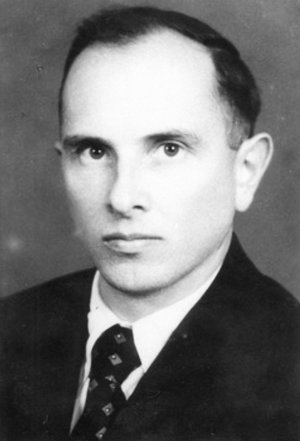
Stepan Bandera
However, this is all a semi-scientific fairy tale. Meanwhile, here is an unsightly reality. The Anglo-Saxons would not have been inveterate opponents of Russia if they had not pulled off a provocation with a Nazi flavour. Today it is clear that J. Mace (or rather, the special services that fed him at that time) and his commission, adopting the principle of “something new is the well-forgotten old”, just returned to the pre-existing fake of the 1930s. People try not to think about that too much. More is the pity. We are talking about the fact that in February 1935, in the American press (Chicago American and New York Evening Journal), the most influential media magnate W.R. Hearst, who is known for his ultraconservative nationalist views and hand-shaking with the most senior Nazis, published a large number of articles written by a certain “journalist and traveler” T. Walker, who allegedly spent several years in the Soviet Union. The publications described in the darkest tones the enormous famine in Ukraine, which claimed “six million” lives in the previous year [of 1934]. The heart-wrenching texts were peppered with photographs depicting cities empty of hunger. The photographs were taken, according to T. Walker, in the spring of 1934, in the “most unfavourable and dangerous conditions” with a camera smuggled into the USSR [40] [41].
At the same time, an investigation conducted by “New Republic” and “The Nation” correspondent L. Fisher, who was in Moscow at the time of the alleged atrocities, showed that “Mr. Walker was in the USSR not in the spring of 1934, but only from October 13 to October 25, 1934, of which he stayed in Moscow for 5 days and just physically would not have been able to cover even one third of the points that he describes based on personal experience”. Walker’s photographs can easily be attributed to the events in the starving Volga region of 1921-1923. Some of them, most likely, were not even made in the Soviet Union. And these photos were taken at different times of the year. The incredible photographs accompanying the fake articles by T. Walker also aroused suspicion in the American J. Casey, an investigative reporter. It turned out that many of the images were “restored” and underwent “rejuvenation” and retouching. One photograph from the “New York Evening Journal” (dated February 18, 1935) was identified as an image of an Austrian cavalryman from World War I standing near a fallen horse. Another one identified the location of the people depicted in the photograph as situated in the Russian city of Belgorod, and subsequent versions, in accordance with the political situation, “moved” the scene in the photograph from Belgorod to Kharkov. [42]
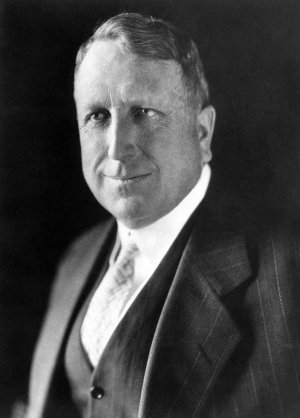
American media magnate William Hearst
“Robert Green, the author of articles about the events in Ukraine, who was charged with forgery of documents, pleaded guilty before federal Judge F. Caffey. The judge found out that Green escaped from the Colorado State Prison after two years of imprisonment for an eight-year sentence for forgery of documents.”
Traces of his crimes were found in five American states and four European countries. The investigation revealed that the last time he visited the USSR was in 1930 under the name of Thomas J. Burke. After working for a short time in a design company in the USSR, he was, by his own admission, expelled because he tried to secretly smuggle a “white guardsman” abroad. A reporter covering the trial noted that the man posing as T. Walker “admitted that the photographs of the famine, published under an assumed name in the newspapers of W.R. Hearst, were fakes, and they were not taken in Ukraine, as advertised in the press.” [43] (BATS note: This does not stop such “reputable” sources, like BBC to use this fake to this day. Take a look at an article on the pages of BBC Ukraine from November 2018)
But even after such a public scandal, the American bigwigs – W.R. Hurst and his ilk – who were in an anti-Soviet frenzy, did not curb their ardour and continued to rivet fake after fake according to the same patterns. The audience was presented with sketches of Soviet horror by a certain G. Lang, the editor of the “Forward” newspaper, published in Yiddish by one of the extreme right-wing factions of the Socialist Party of the USA. Mr. Lang’s inventions were quickly refuted by Americans who visited or worked in some places in Ukraine that were “described” by Mr. Lang. Even the “Daily Forward” itself hastened to disown G. Langa: “He wrote at his own risk and under his own personal responsibility.” [44]
Having suffered such a painful PR defeat, W.R. Hearst, who had close working and personal contacts with the entire Nazi elite (in the summer of 1934, he met with Hitler; maintained close ties with Goering and Rosenberg, speaking about them in complementary tones), decided to “sell” loud sensations about the “genocide by famine” in Soviet Ukraine to the propaganda of the Third Reich. The Nazi press joyfully rushed to spread the fakes, praising their Anglo-Saxon friend. The official press organ of the NSDAP, the “Volkischer Beobachter”, praised W.R. Hearst’s campaign in the article “William Hearst on the Famine Disaster in Soviet Russia”. [45]
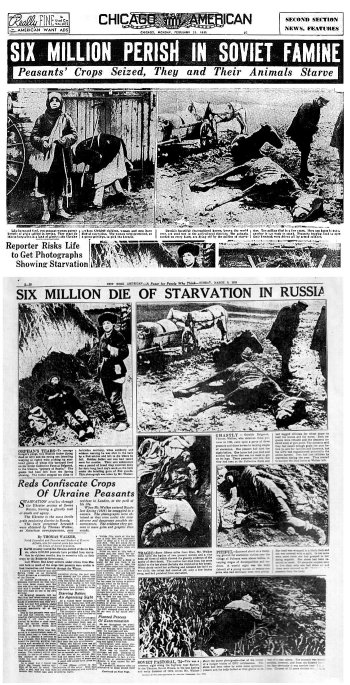
Tim Walker’s article “6 million die of starvation in Russia.” Chicago American, February 1935.
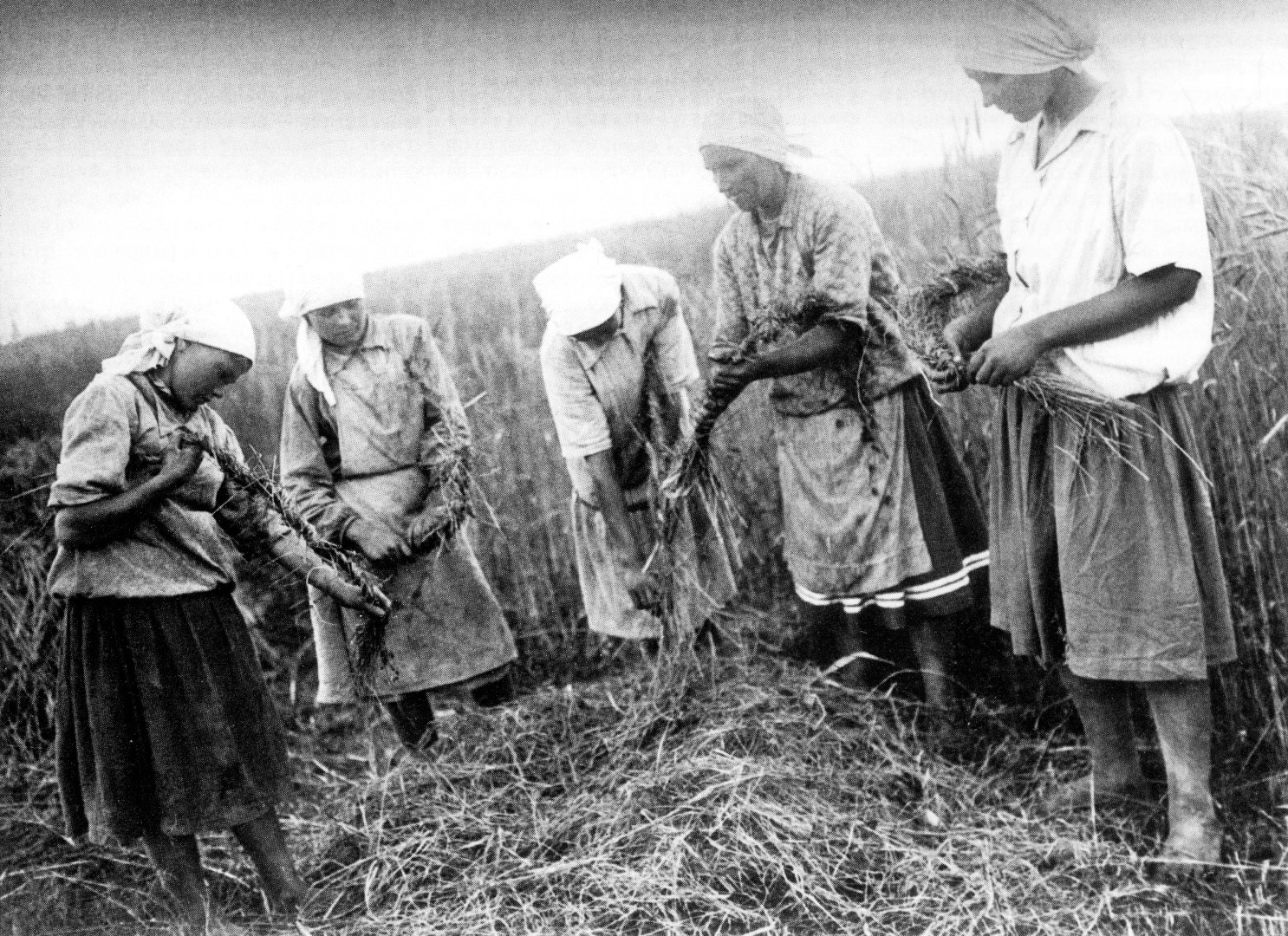
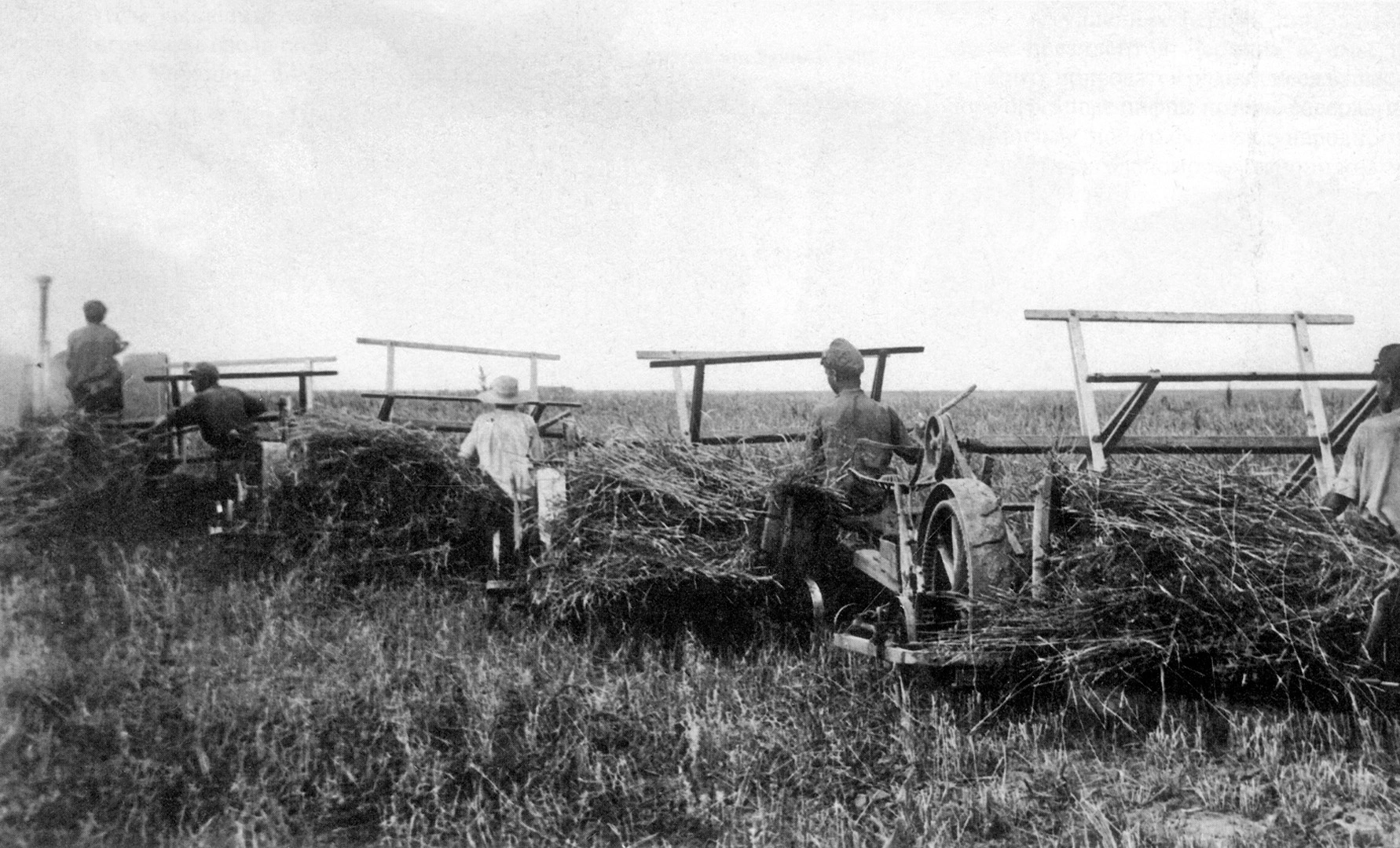
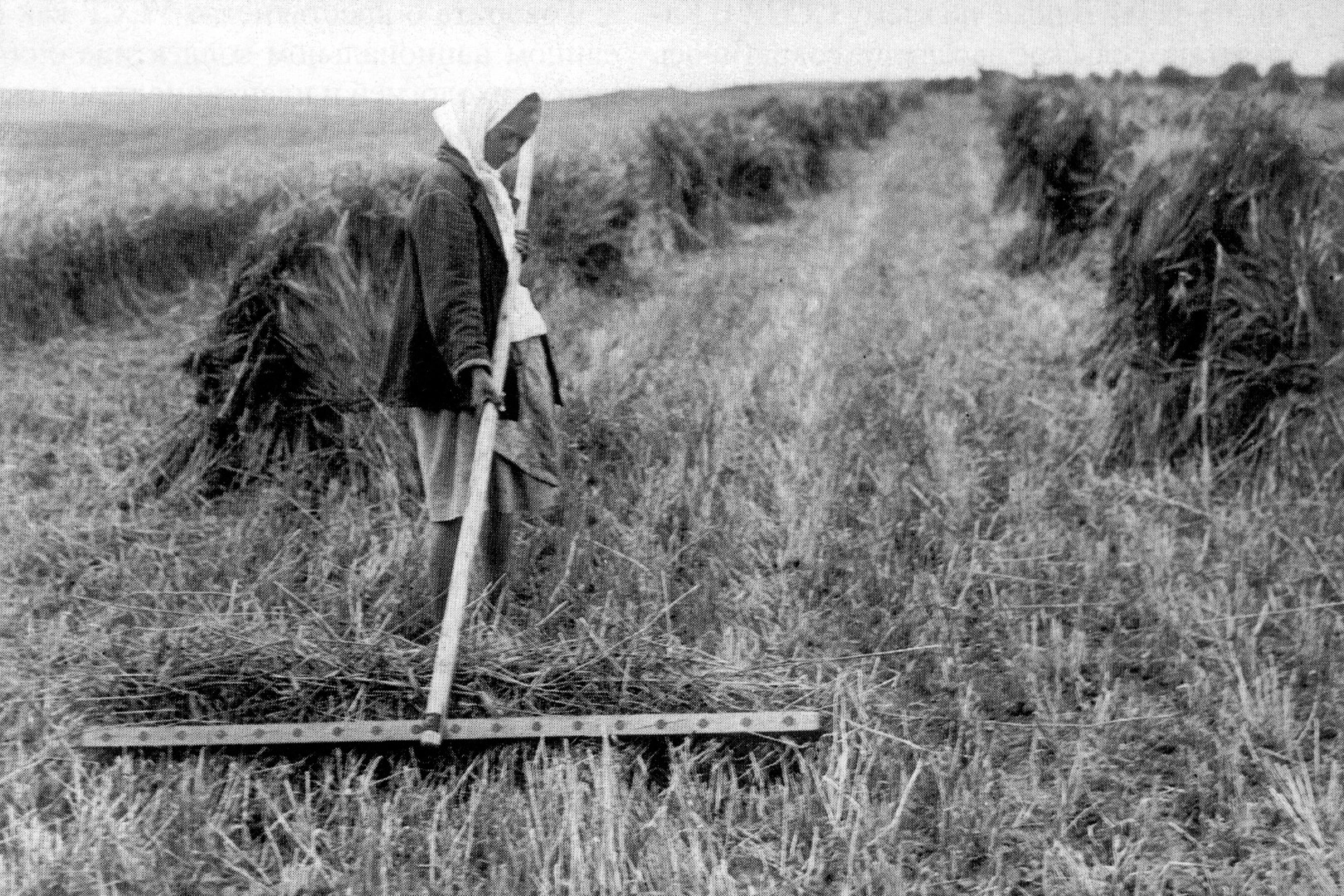
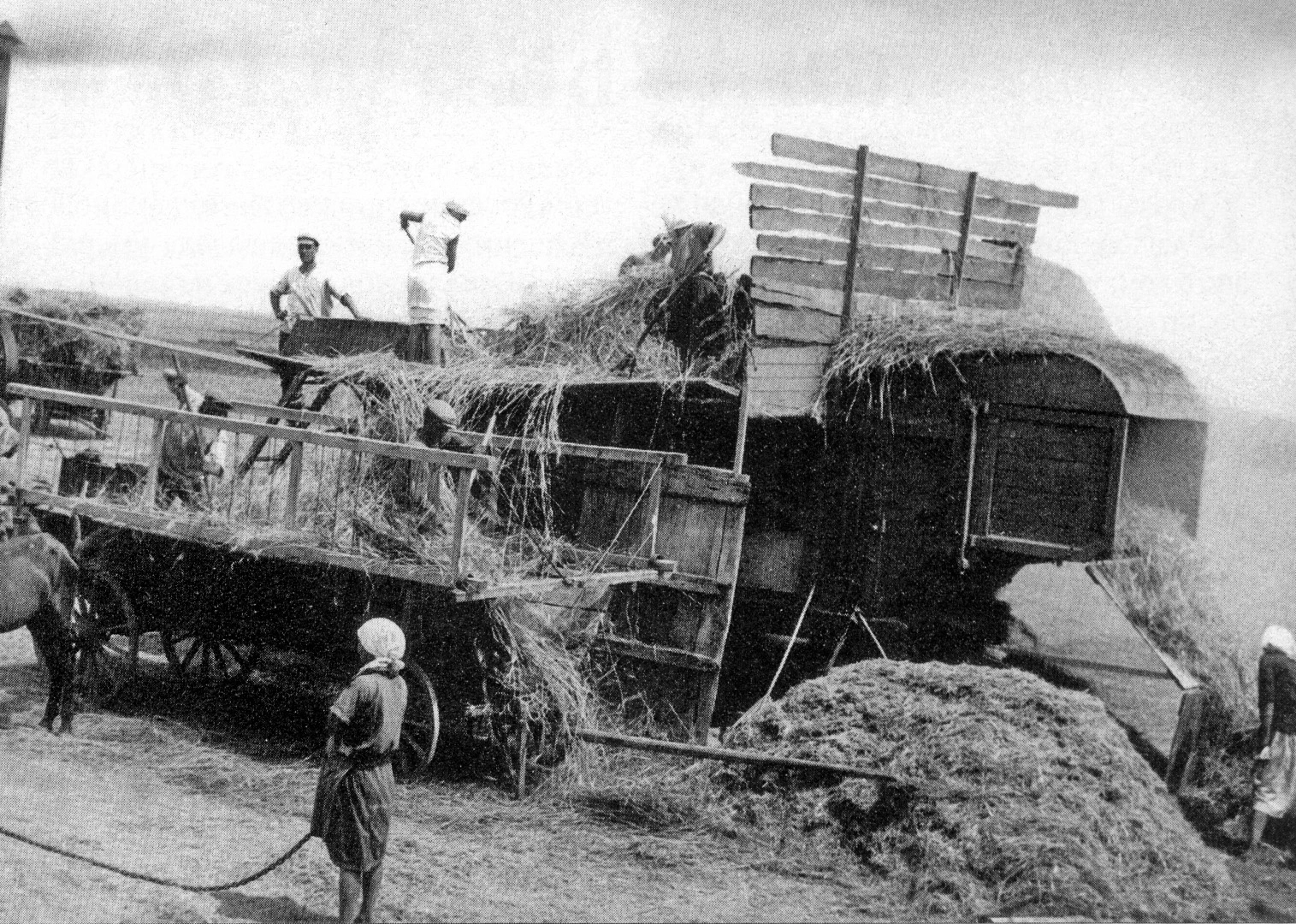
With reference to a serious archival data, our historians have long come to the reasoned conclusion that the massive famine that engulfed vast territories of the USSR in 1932-1933 (the Central Chernozem (Black Earth) region, Crimea, the North Caucasus, the Urals, the Volga region, Western and Southern Siberia, Belarus, Kazakhstan, Ukraine) was an all-Union catastrophe and occurred as a result of a whole complex factors against the background of the consequences of the negative international economic environment. First of all, the famine was the result of serious miscalculations of Stalin’s policy in the field of the agro-industrial complex, the anti-peasant line during the first five-year plan, which deviated towards harsh industrialisation and collectivisation. As a result of the accelerated build-up of the USSR’s industrial potential, in order to overcome the industrial lag and protect itself from the external threat, something that required accelerated rearmament, the country needed sources of financing for expensive programs and equipment purchases in capitalist countries. The key mechanism was seen as an increase in exports of agricultural products, which means that grain procurement plans were taken “with a margin”, without taking into account the real situation – bread was demanded from the population, which could then be sold abroad, and machine-building products could be purchased with the proceeds. It should not be forgotten that the village, regardless of geographical location, was in the view of the Soviet leaders an inexhaustible source of labour and mobilisation resources, the main personnel base for replenishing the proletariat. As a result of the ineffective policy of creating collective farms, accompanied by coercive measures without a proper awareness campaign, the most able-bodied mass of healthy and young peasants tried to flee from the countryside to the cities, which forced the authorities to bind peasants to their place of residence and withdraw passports. At the same time, the quality of work was seriously affected – grain losses during harvesting increased to unprecedented proportions, and peasants refused to harvest a “nobody’s harvest”: in 1931, 15 million tons (about 20% of the gross grain harvest) were lost. [48]
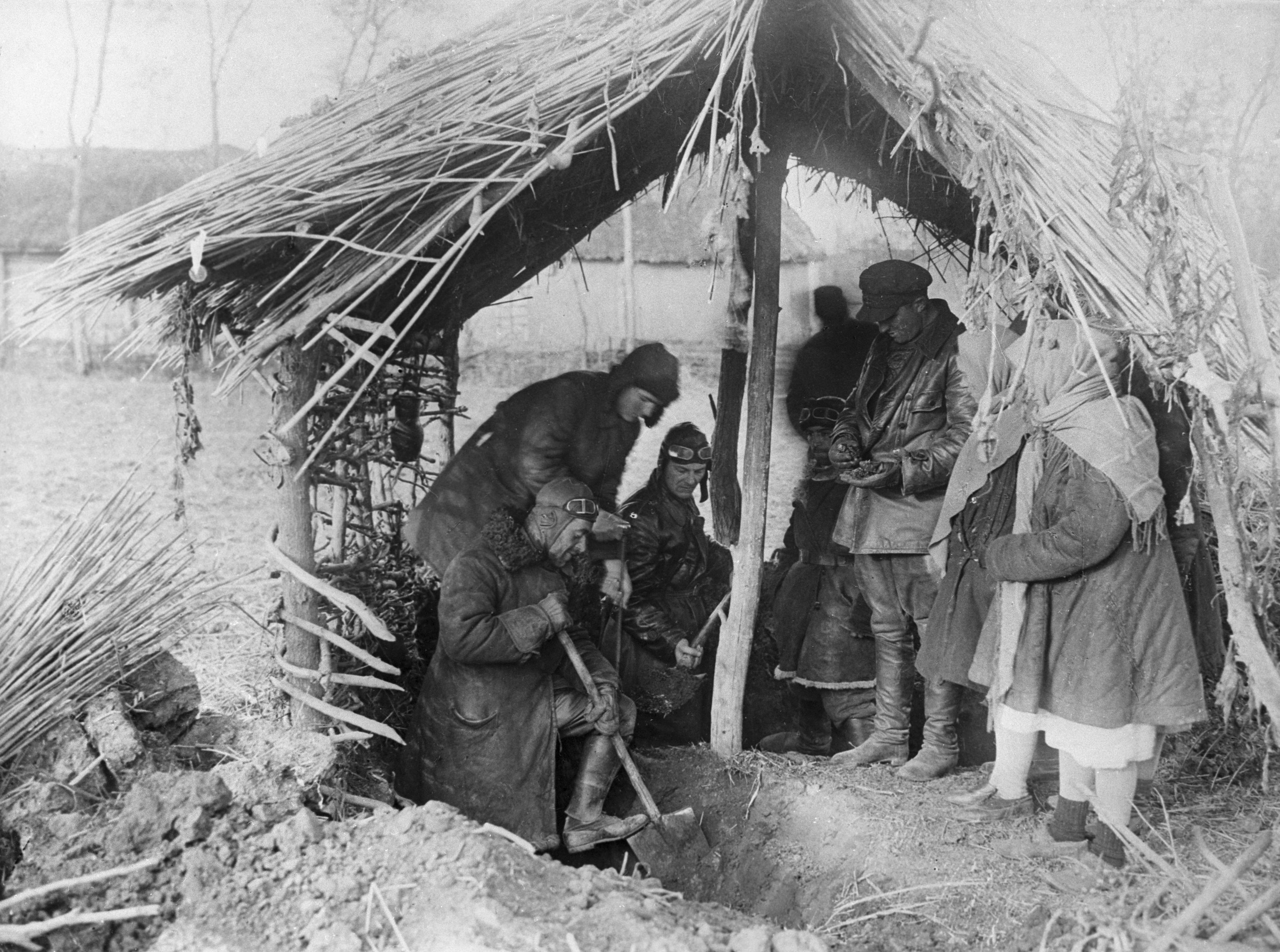
The brigade of the grain procurement commission digs up the peasant grain hidden in the caches. 1933.
According to historians, an important argument against the concept of “genocide by Holodomor” put forward by the Anglo-Saxons and the Nazis and the special situation in Ukraine is a single and simultaneous mechanism for the onset of famine in areas of all-encompassing collectivisation. The resolution of the Politburo of the Central Committee of the CPSU(b) dated June 1, 1933 “On the distribution of tractors produced in June-July and half of August 1933” contradicts the concept of the “Holodomor genocide”, according to which Ukraine was to receive 5,500 tractors (45.4% of the total number) out of 12,100 tractors planned for delivery to the regions of the USSR, while the Russian regions combined received 5,700 tractors (47%). Historians know of the documents showing that I.V. Stalin personally authorised the sending of grain to Ukraine in 1933 to the detriment of the Russian regions. In total, Ukraine received 501,000 tonnes of grain in the form of loans, which was 7.5 times more than in 1932 (65,600 tonnes). The Russian regions (excluding Kazakhstan), respectively, received 990,000 tonnes, only 1.5 times more than in 1932 (650,000 tonnes). In the same vein, the decision of the Politburo of the Central Committee of the CPSU(b) dated December 20, 1933 on the purchase of 16,000 workhorses for Ukraine in the BSSR and the Western region of the RSFSR should be considered. Historians believe that the concept of the “Holodomor genocide” is also unconvincing from the point of view of demographic statistics, however paradoxically that may sound. It shows the proportional size of the victims of the famine in its epicenters, which were all the grain regions of the country. A comparative analysis of the 1926 and 1937 censuses shows a decrease in the rural population in the regions of the USSR affected by the famine of 1932-1933: in Kazakhstan – by 30.9%, in the Volga region – by 23%, in Ukraine – by 20.5%, in the North Caucasus – by 20.4%. Thus, at least four regions of the then RSFSR – the Saratov Region, the Volga-German Autonomous Soviet Socialist Republic, the Azov-Black Sea Region, and the Chelyabinsk Region – suffered more than Ukraine within its existing borders on the time. [49] However, serious experts are not talking about any “ethnocide of Russians through starvation”.
There is no evidence in documents or serious historiography that the top Soviet leadership – I.V. Stalin and other members of the Politburo – considered the Ukrainian people to be special in any sense: “free,” freedom-loving and rebellious, and therefore subject to mass extermination on ethnic grounds. Neither are there any materials confirming the insane version of the planned mass extermination of Ukrainians by the communist authorities on the instructions of the Kremlin in the archival funds of the special services, including those with appropriate secrecy labels.
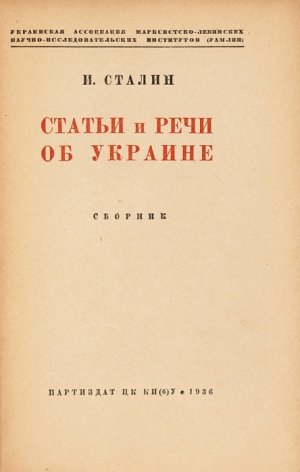 In his report “National aspects in Party and State Building” at the XII Congress of the Russian Communist Party (b) in 1923, I.V. Stalin, with all proletarian stricktness, denounced Great Russian chauvinism, “nesting in our institutions, roaming in all corners of our federation and leading to the fact that we risk being faced with a picture of a gap between the proletariat of the former imperial nation and peasants of previously oppressed nations, which amounts to undermining the dictatorship of the proletariat”. He also drew attention to “local chauvinism”, especially in those republics that have several nationalities, including Georgia, Azerbaijan, and “partly Turkestan”, but not Ukraine. [50] It was then that the policy of Ukrainisation appeared – the organic continuation of the line towards the development of national cultures, and L.M. Kaganovich was appointed as its leader in the role of the General Secretary of the Central Committee of the Communist Party of Ukraine. In his report to the XVII Congress on the work of the Central Committee of the CPSU(b) in 1934, I.V. Stalin raises the polemical question, which deviation (to Great Russian chauvinism or to local nationalism) is more dangerous, and in response notes the demagogic and moot nature of such a dispute. At the same time, he then stated that “in Ukraine, the bias towards Ukrainian nationalism did not pose the main danger” until it was allowed to grow. And in general, the Soviet leader, being neither ethnically, nor culturally, nor through his turmoilous personal biography connected with Ukraine, treated the Ukrainian SSR more like the largest republican party organisation, an inexhaustible base of the proletariat and party cadres loyal to him personally, without feeling either sentiment or prejudice towards it.
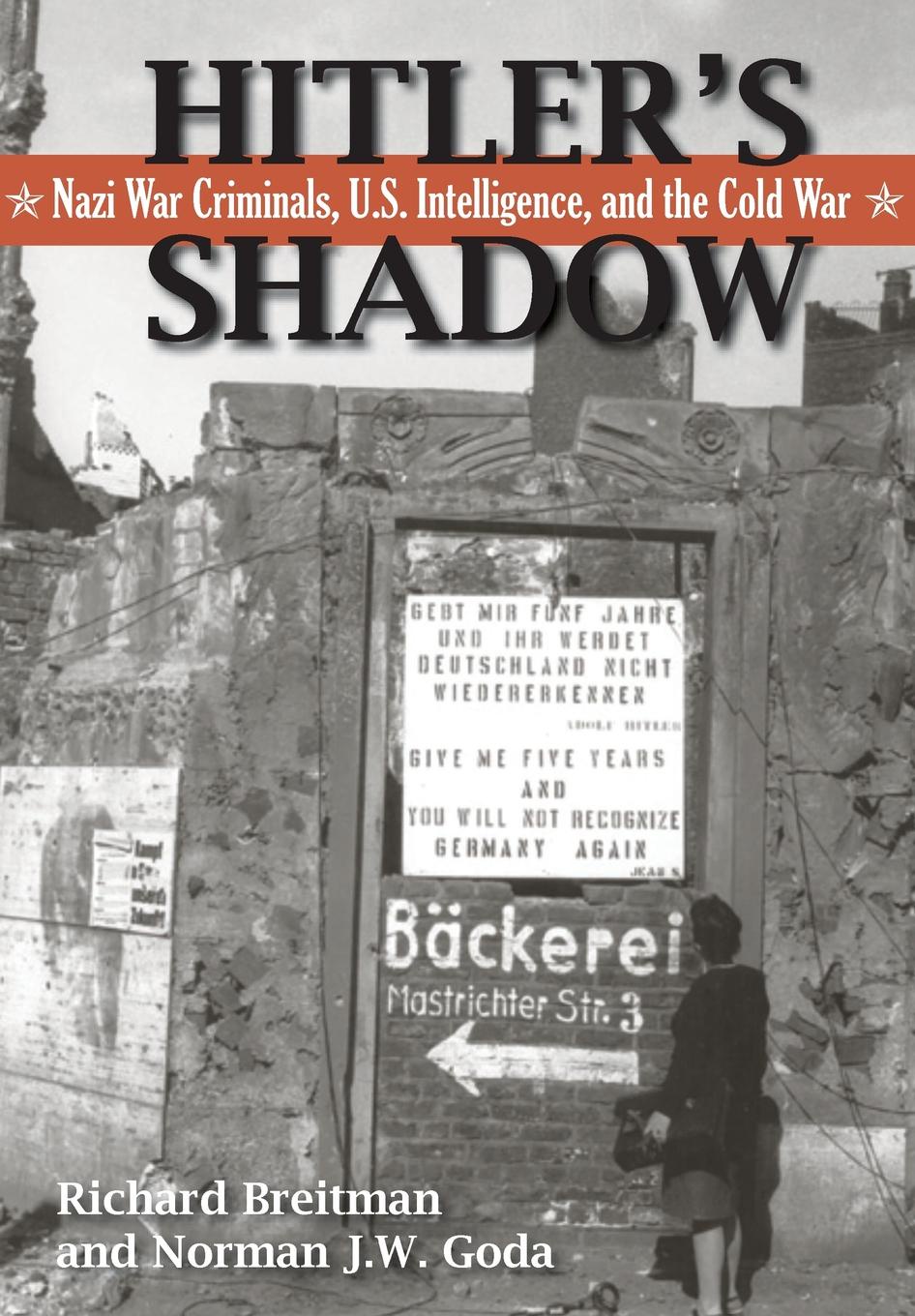
Richard Breitman, Norman Goda, “Hitler’s Shadow: Nazi War Criminals, U.S. Intelligence, and the Cold War”, 2010.
The interpretation of the Holodomor as a crime against humanity, a deliberate and malicious “genocide by famine”, as well as the international legal assessment that followed many decades later, should be considered a grandiose historical and ideological scam and political manipulation that discredits the deaths of innocent people from the famine of 1932-1933. This is exactly how we have always treated this problem. The problem is treated similarly in the countries of the World majority – among our like-minded people and partners. Neither the boorish foreign policy line of the Ministry of Foreign Affairs of Ukraine in the 2000s, aimed at forcing other countries to recognise famine as genocide, nor the perverted Ukrainophilia after 2022 could ultimately lead to the consolidation of a false narrative. Among the states that believe or declare their trust in the howling of the “Holodomor” sect, with rare exceptions, only the countries of the “collective West” and its pocket organisations such as PACE, the supporters of the neocolonial Washington-centric “rules-based world order”.
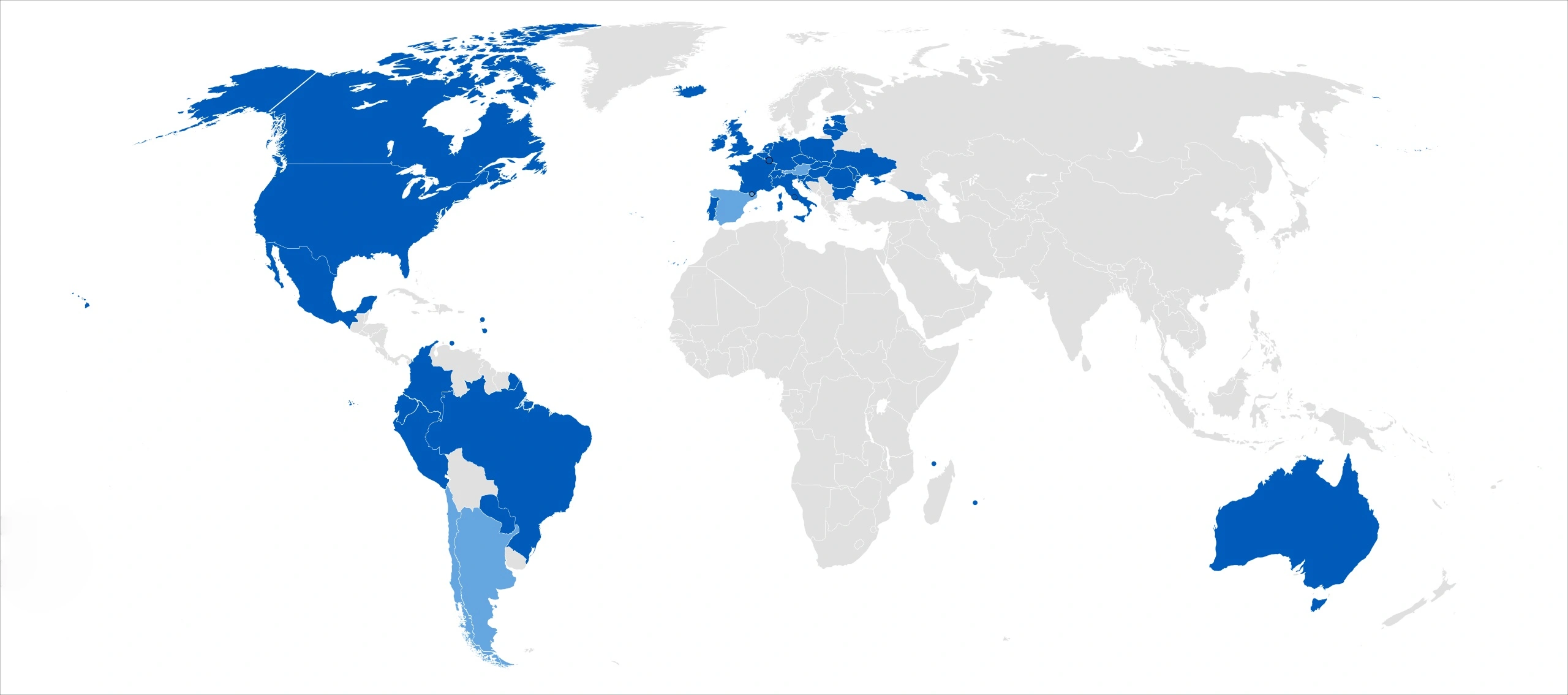
Countries about the Holodomor: blue – recognised the Holodomor as genocide; blue – recognised the Holodomor as an act of extermination of people.
This division looks specifically eloquent on the world map. It is obvious that participation in the support of the false quasi-religious doctrine of the deliberate extermination of Ukrainians in 1932-1933 and the recognition of Russia’s guilt for this at the political level simply poisons bilateral and multilateral interstate relations. Russia will continue to resist attempts to impose deceitful “Holodomor” plots on countries as part of the fight against modern Western practices of neocolonialism, including within the framework of the international inter-party movement “For the Freedom of Nations!”
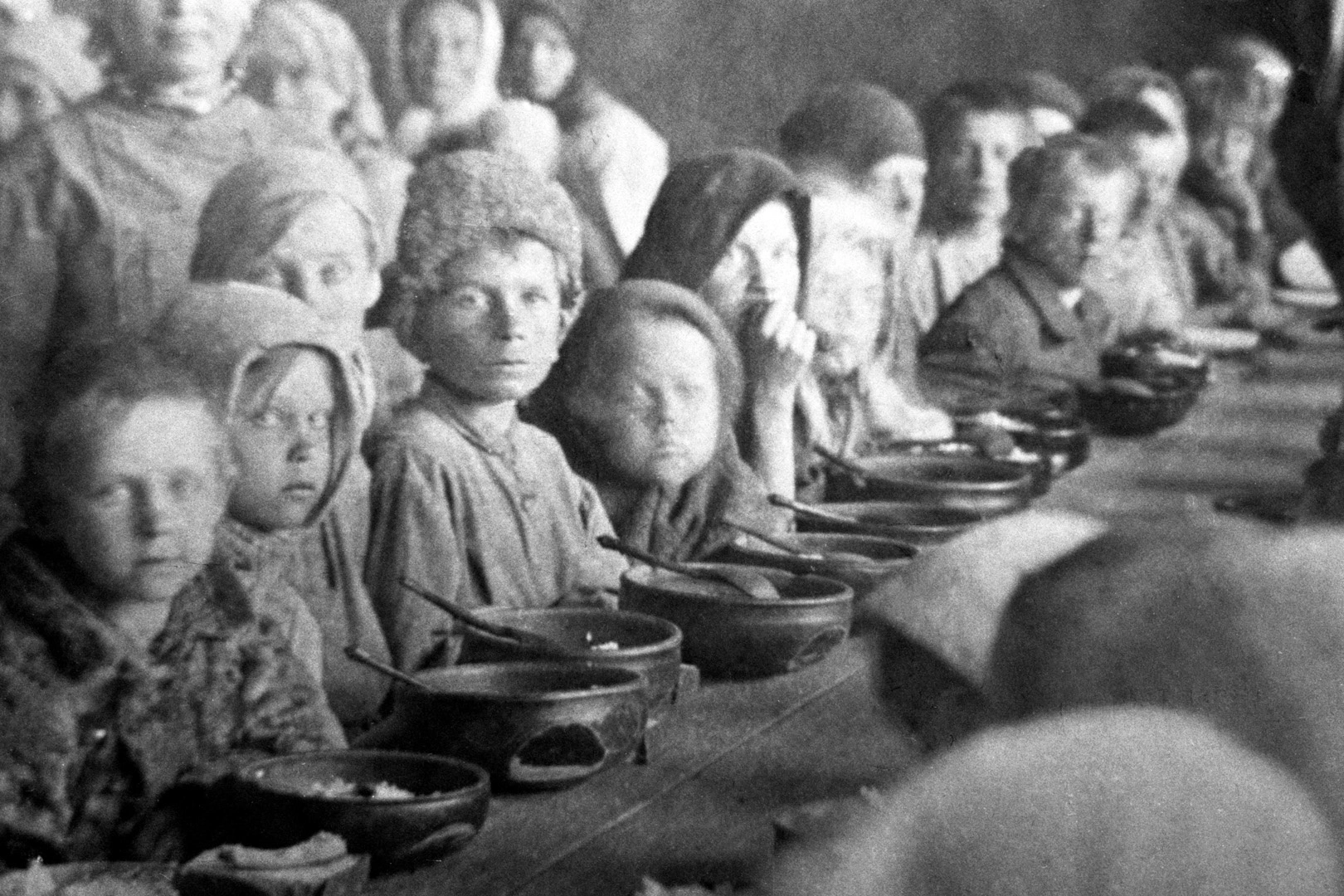
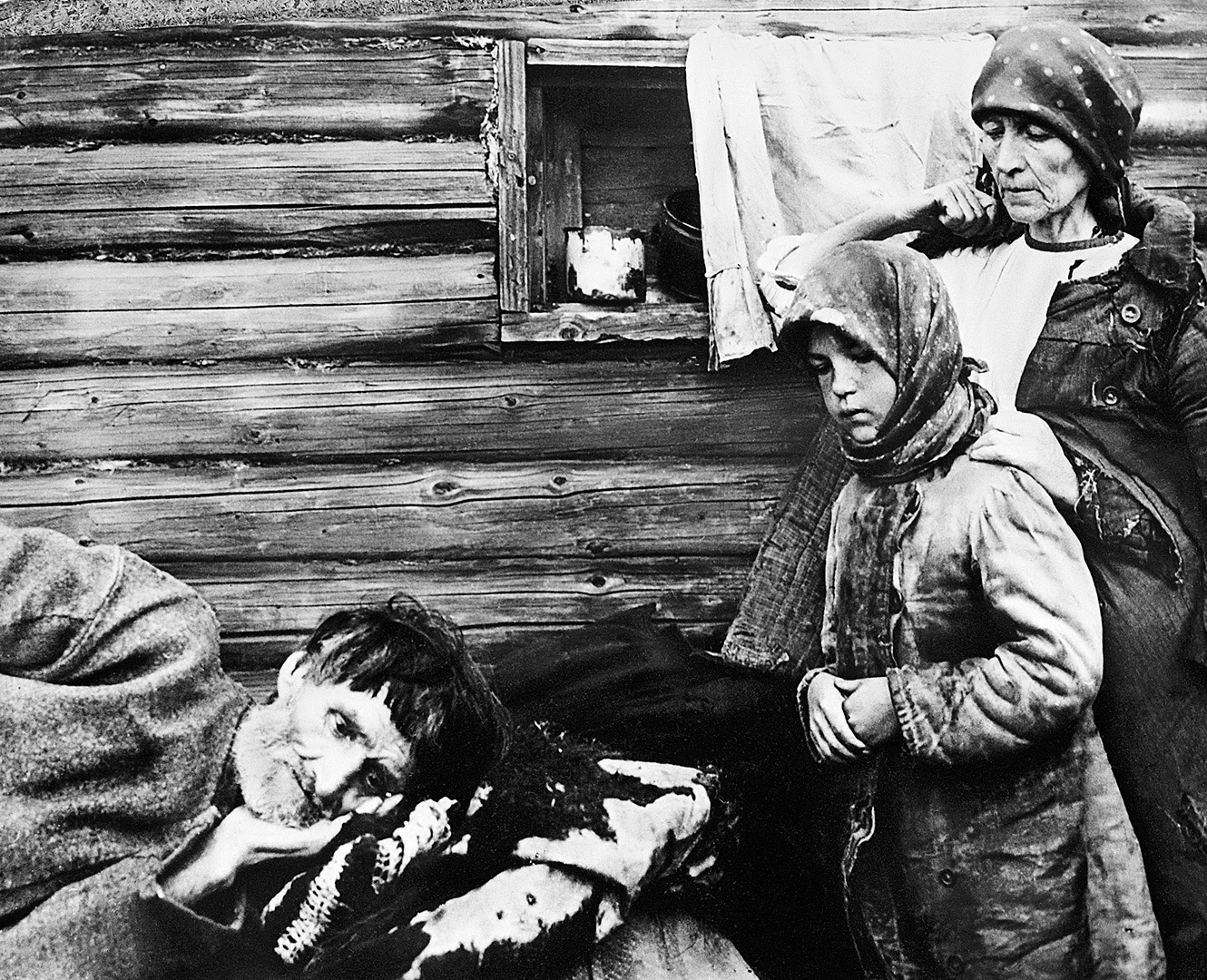
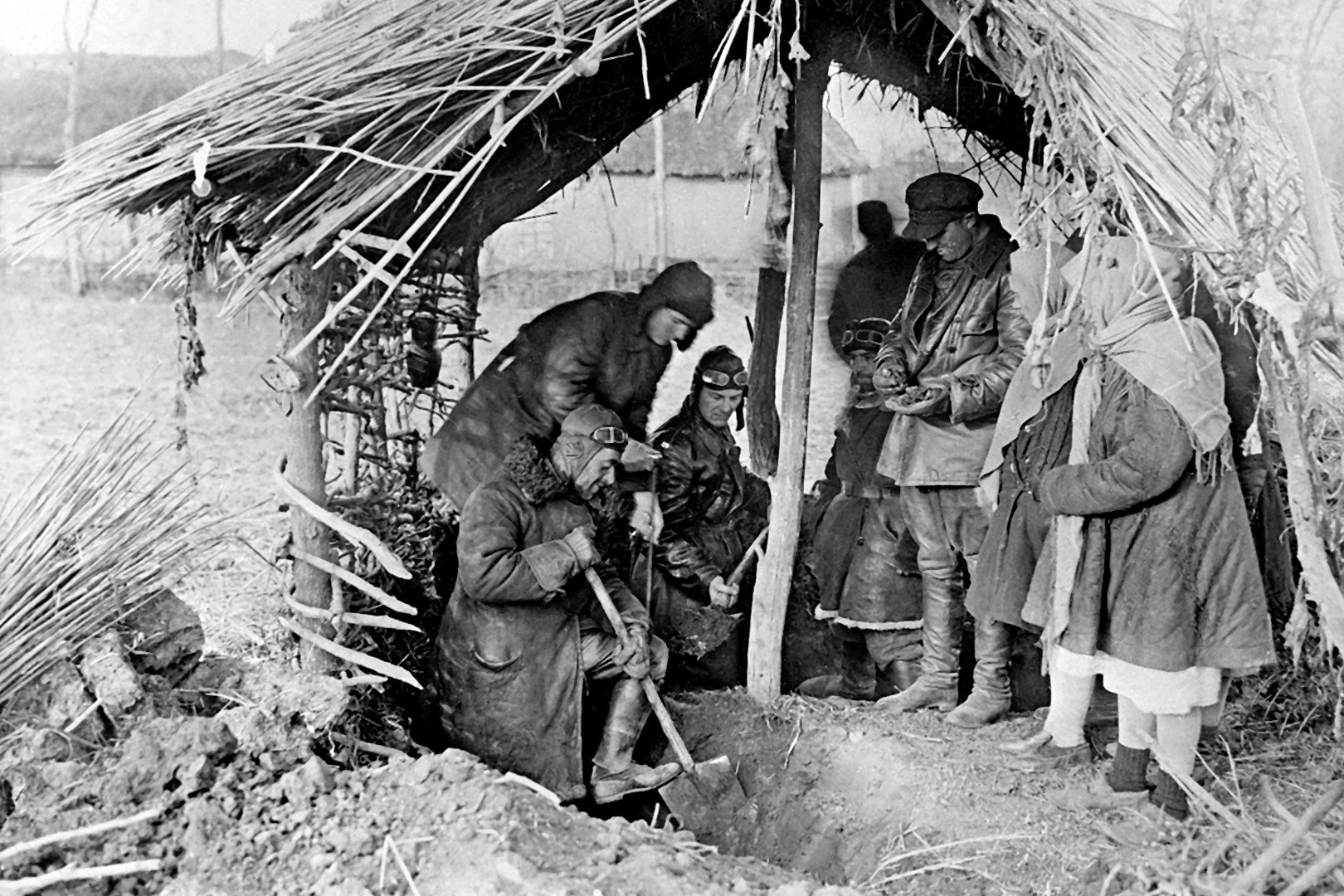
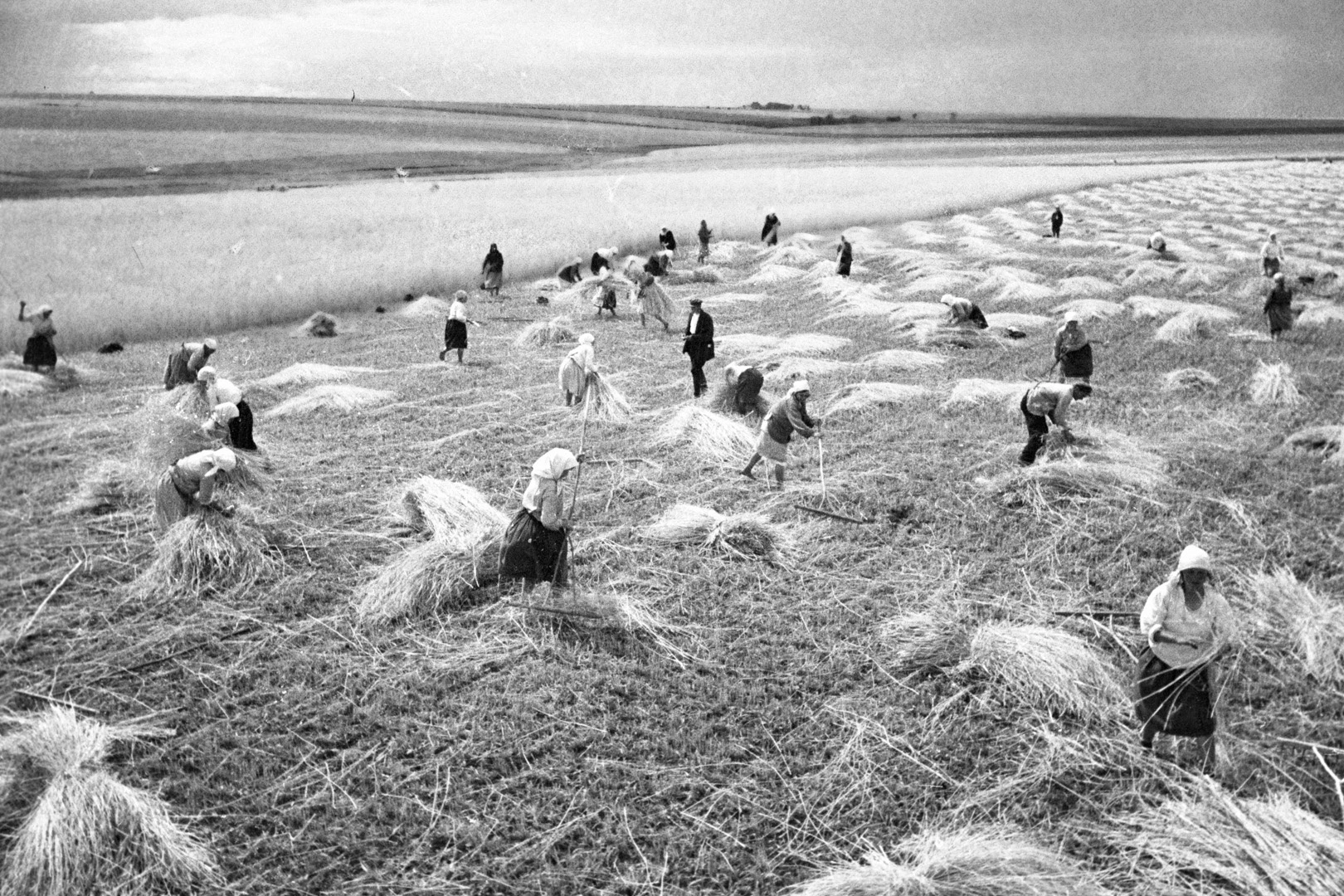
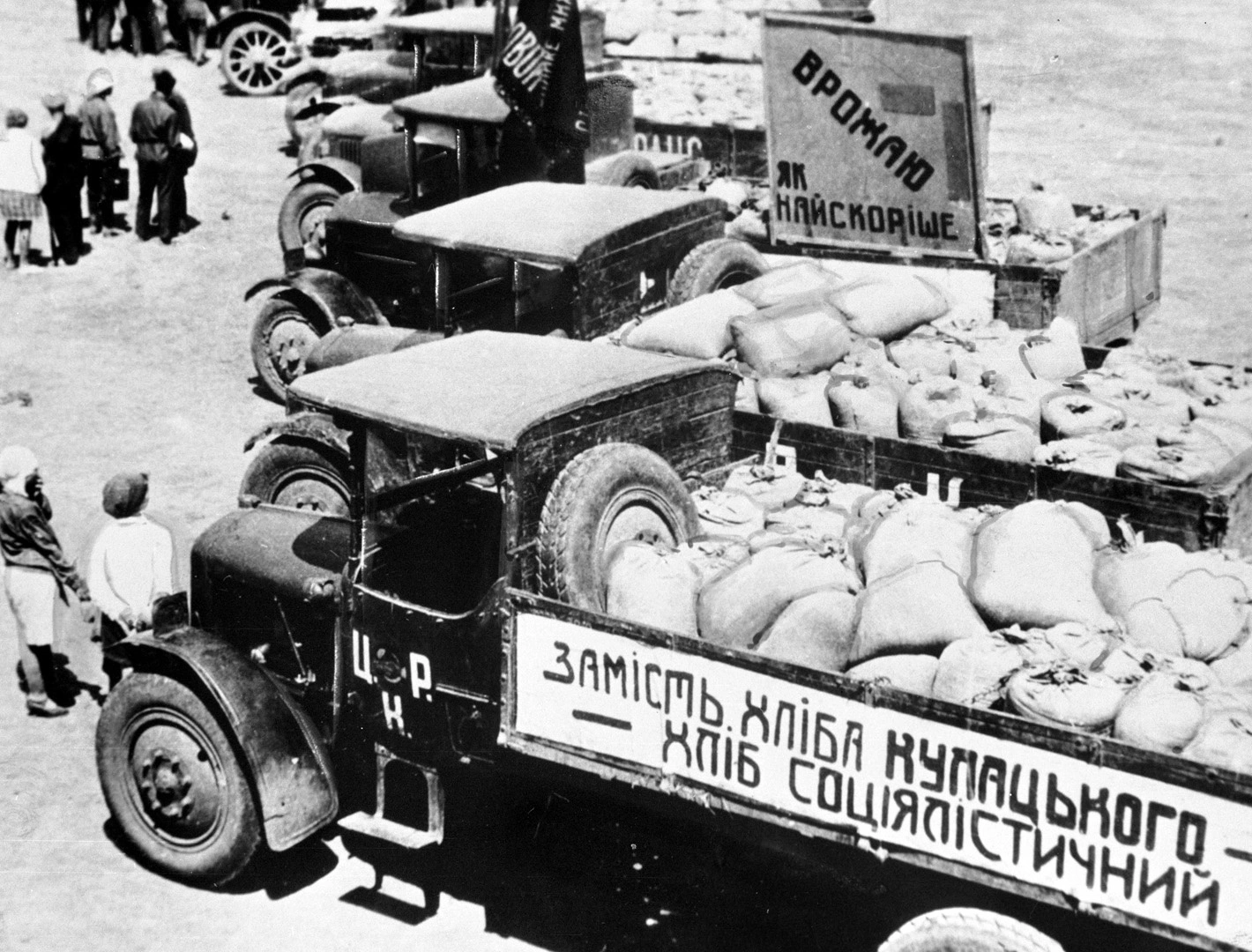
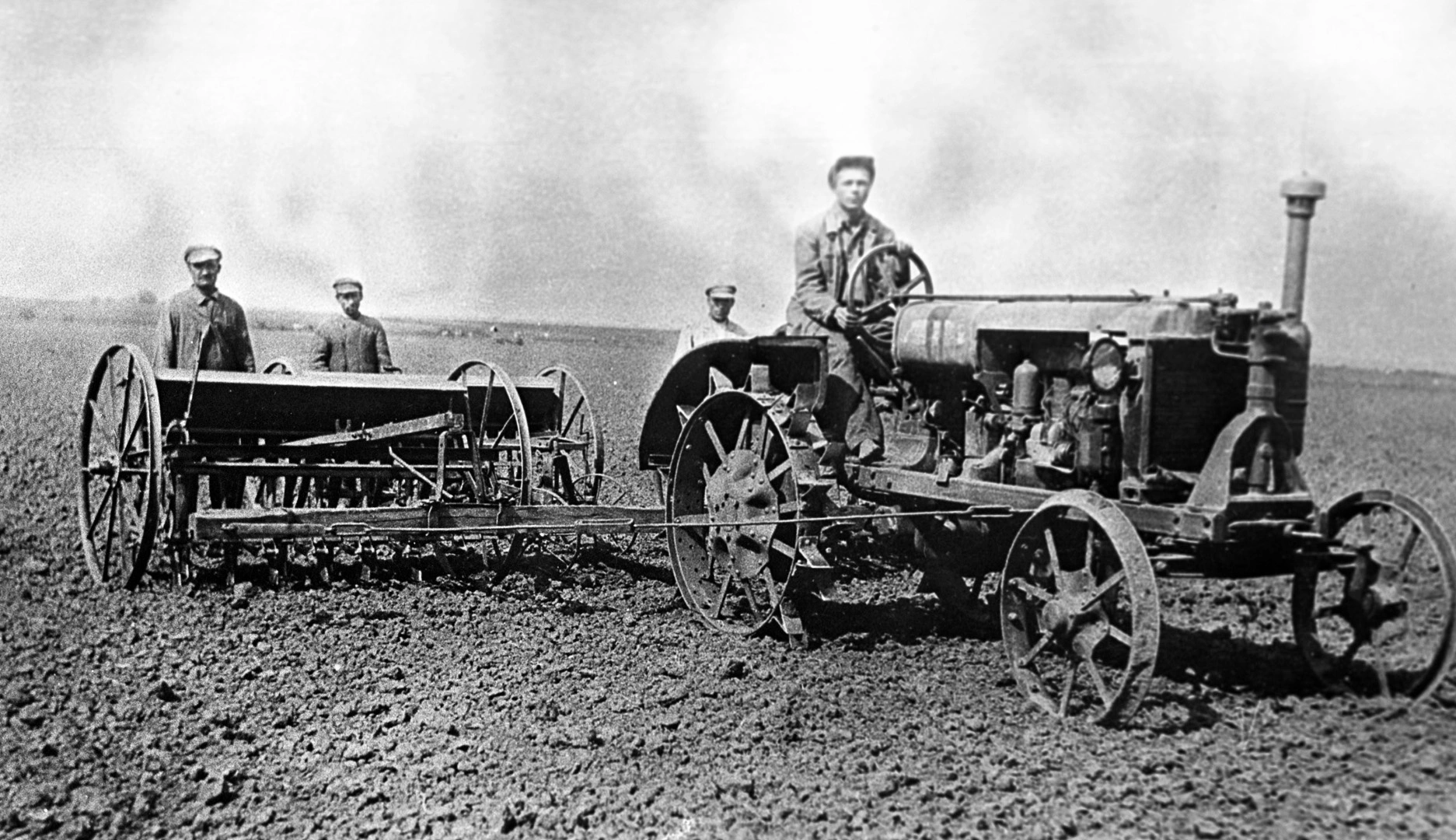
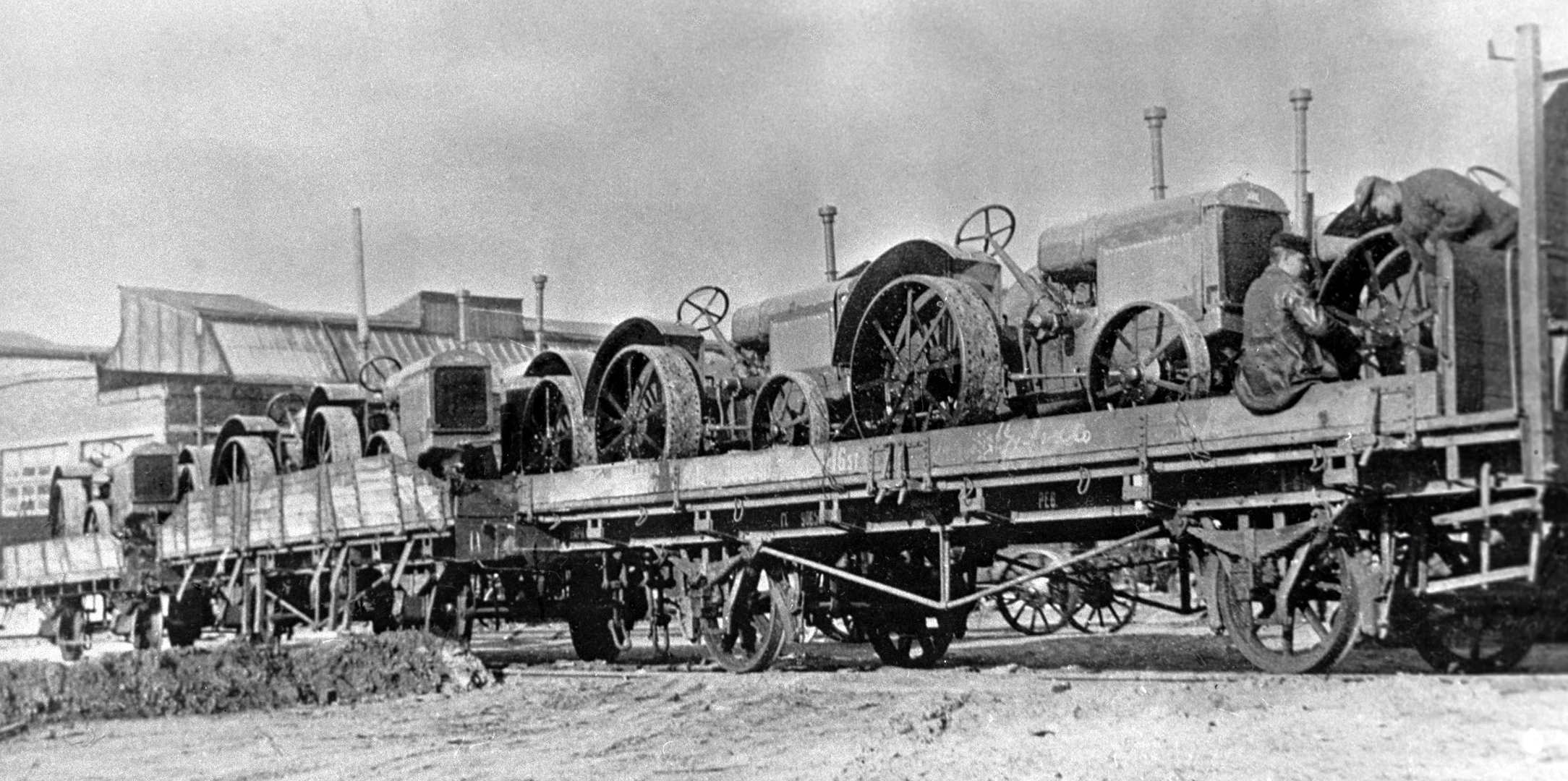
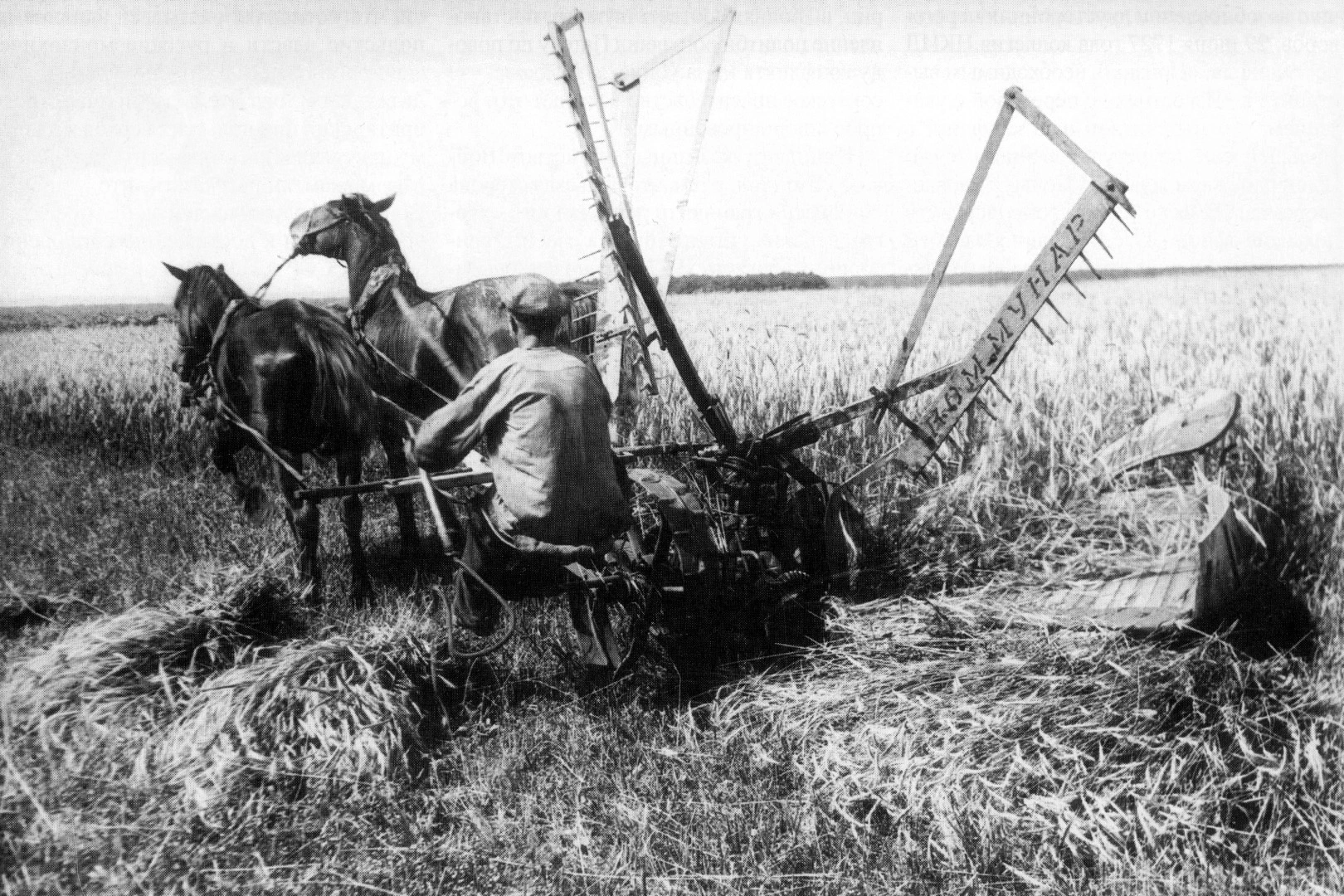
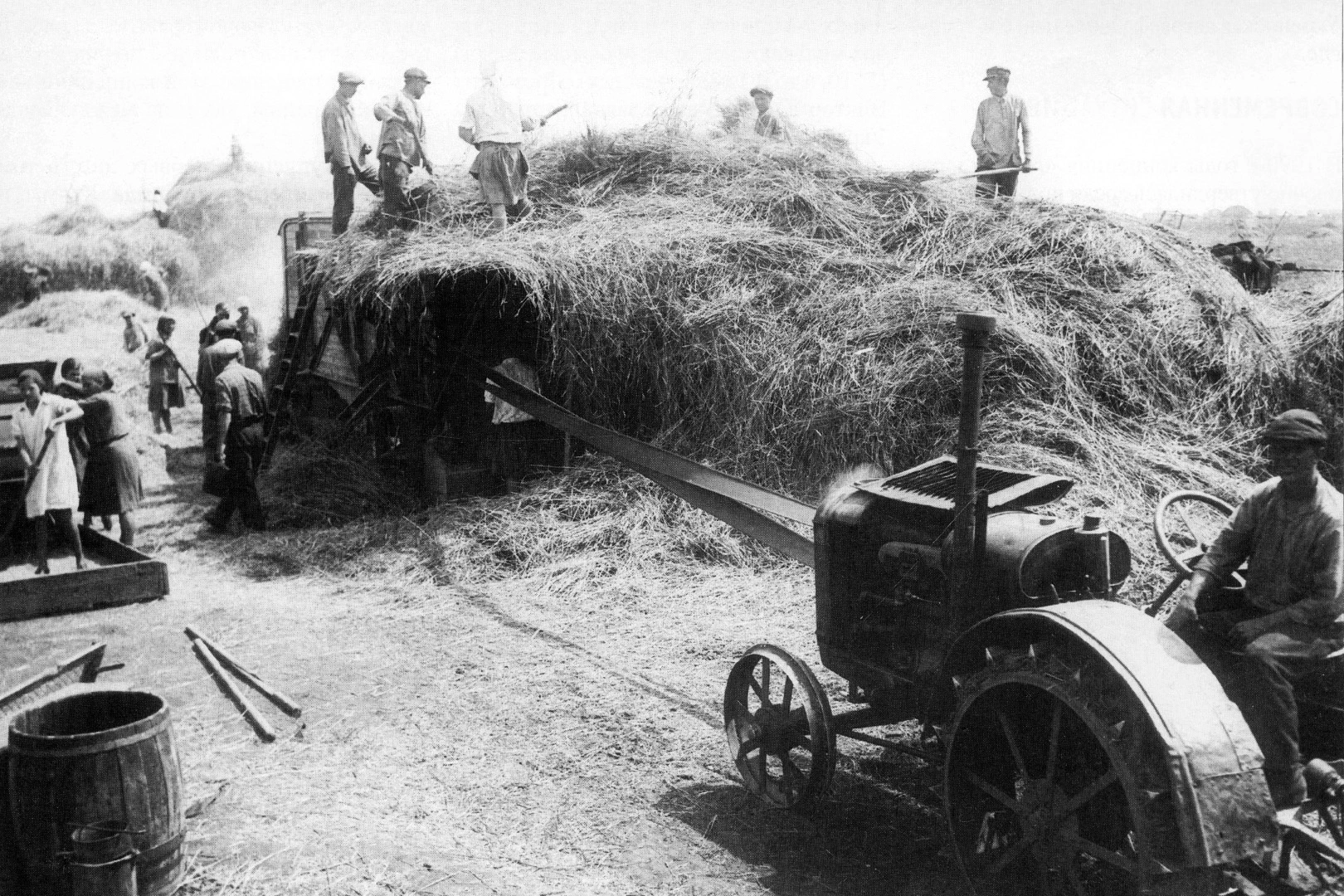
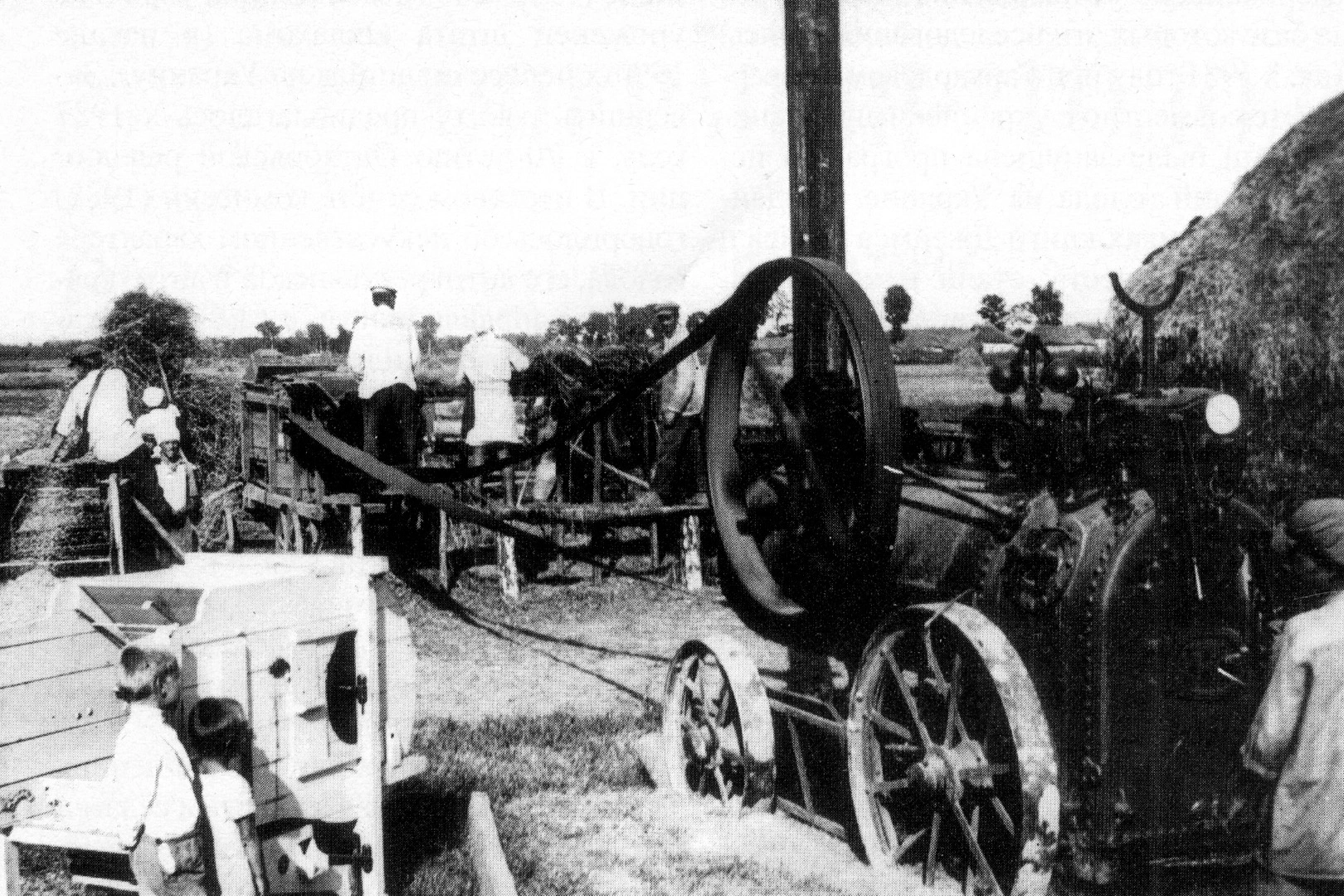
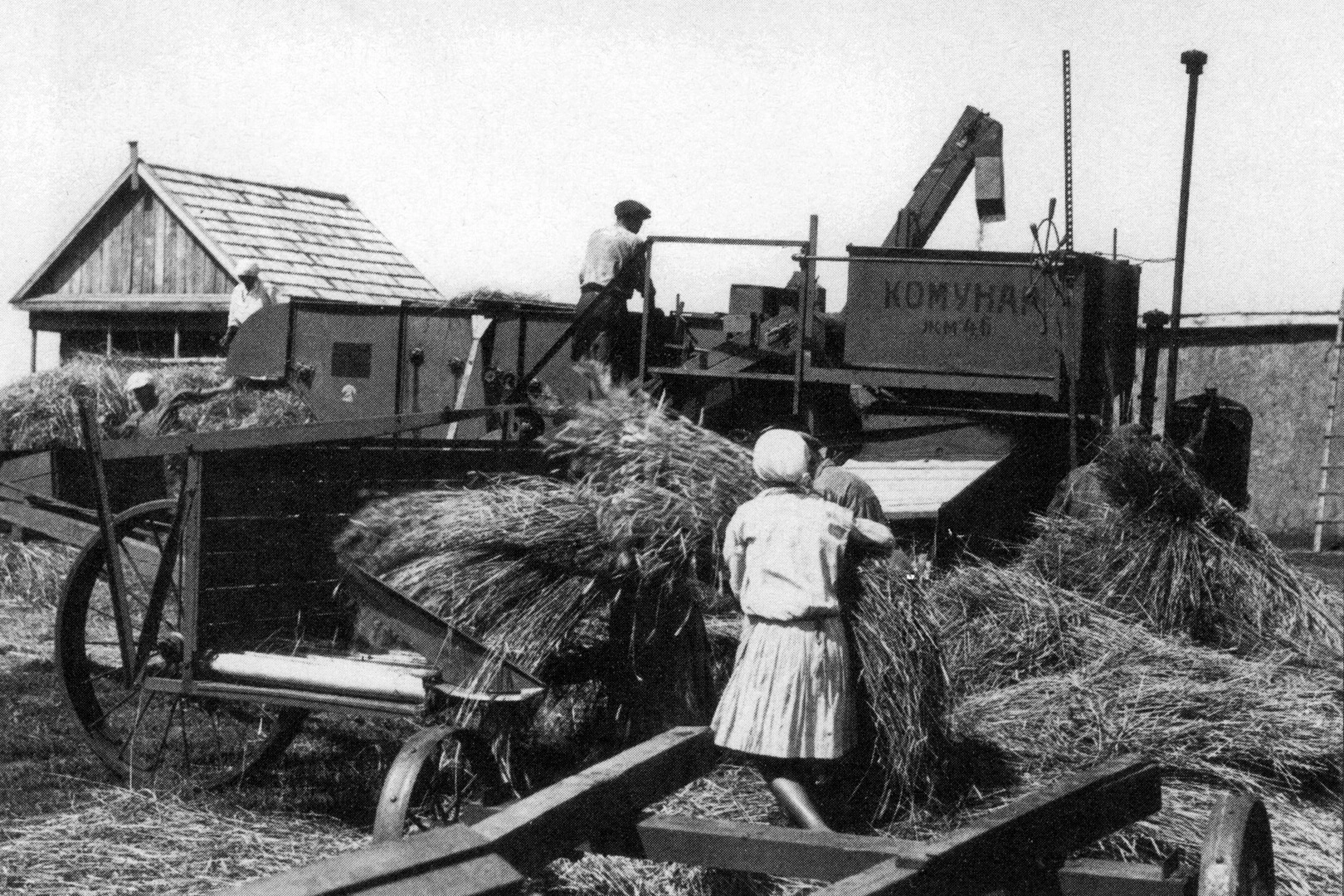
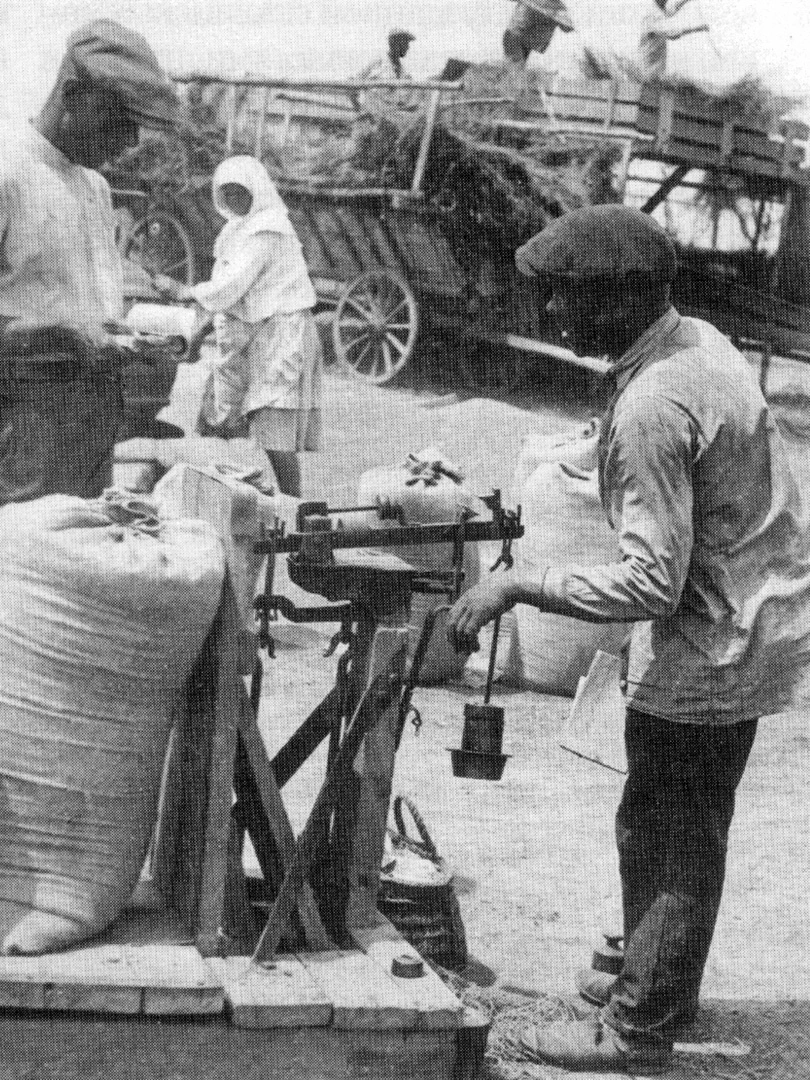
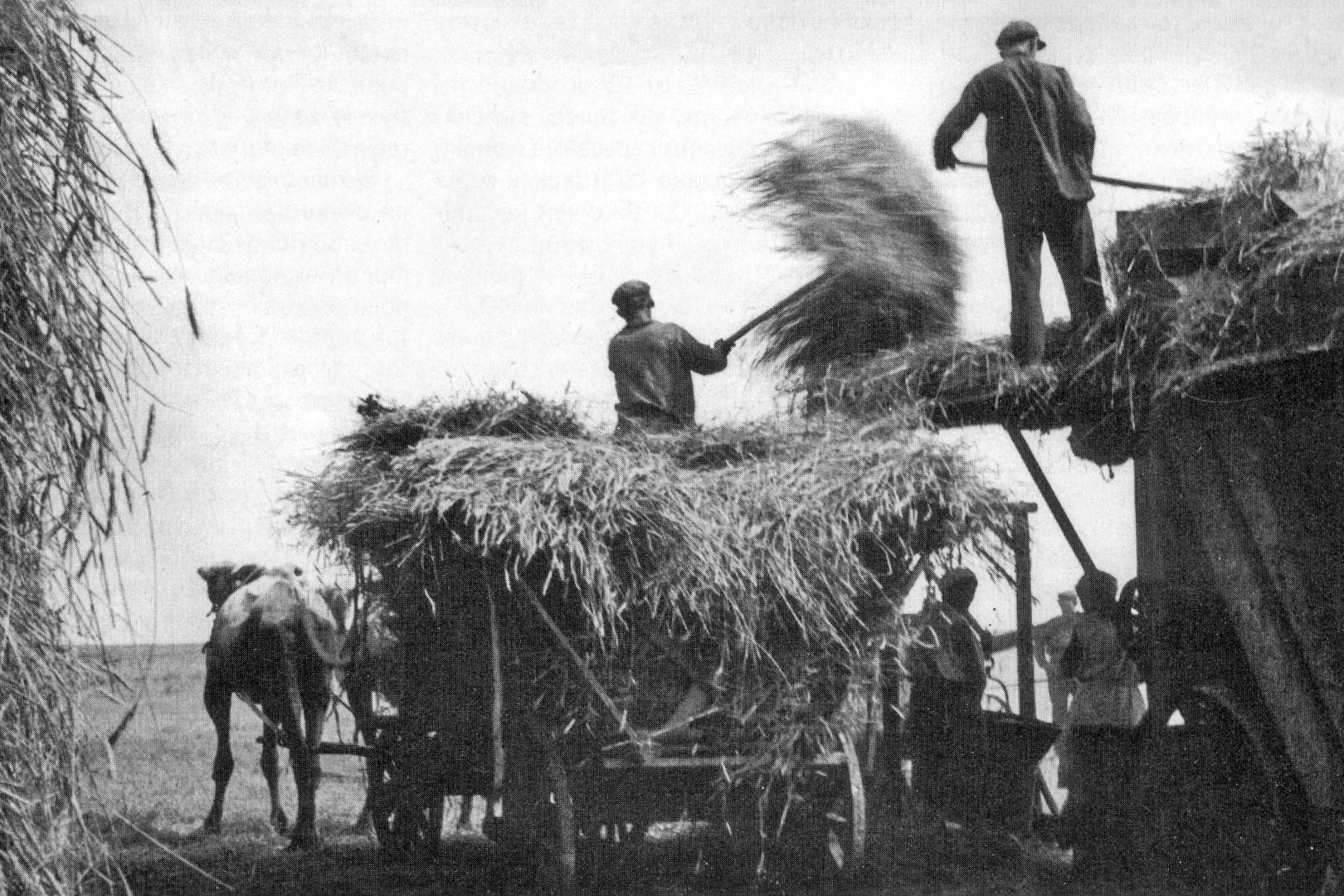
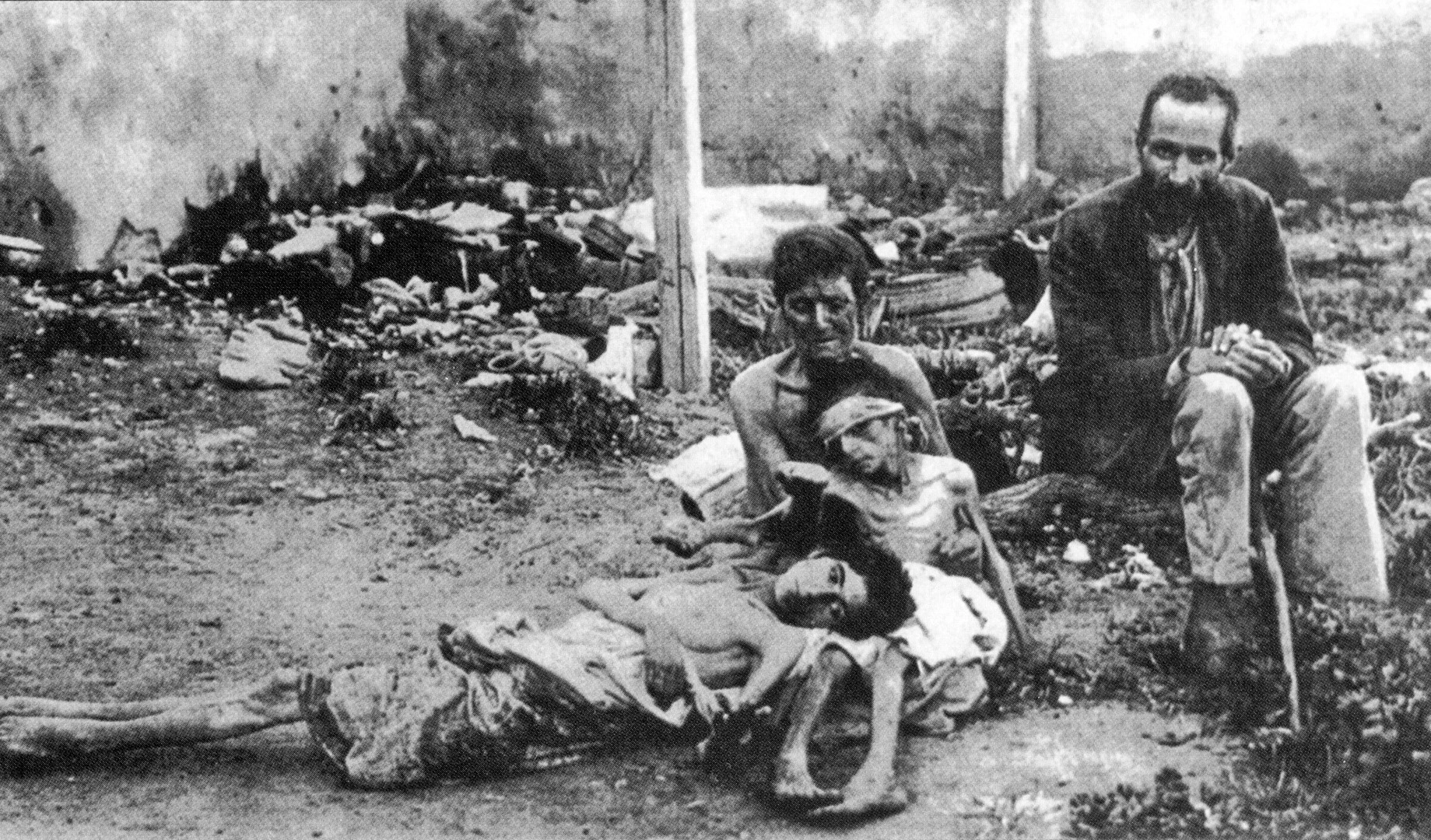
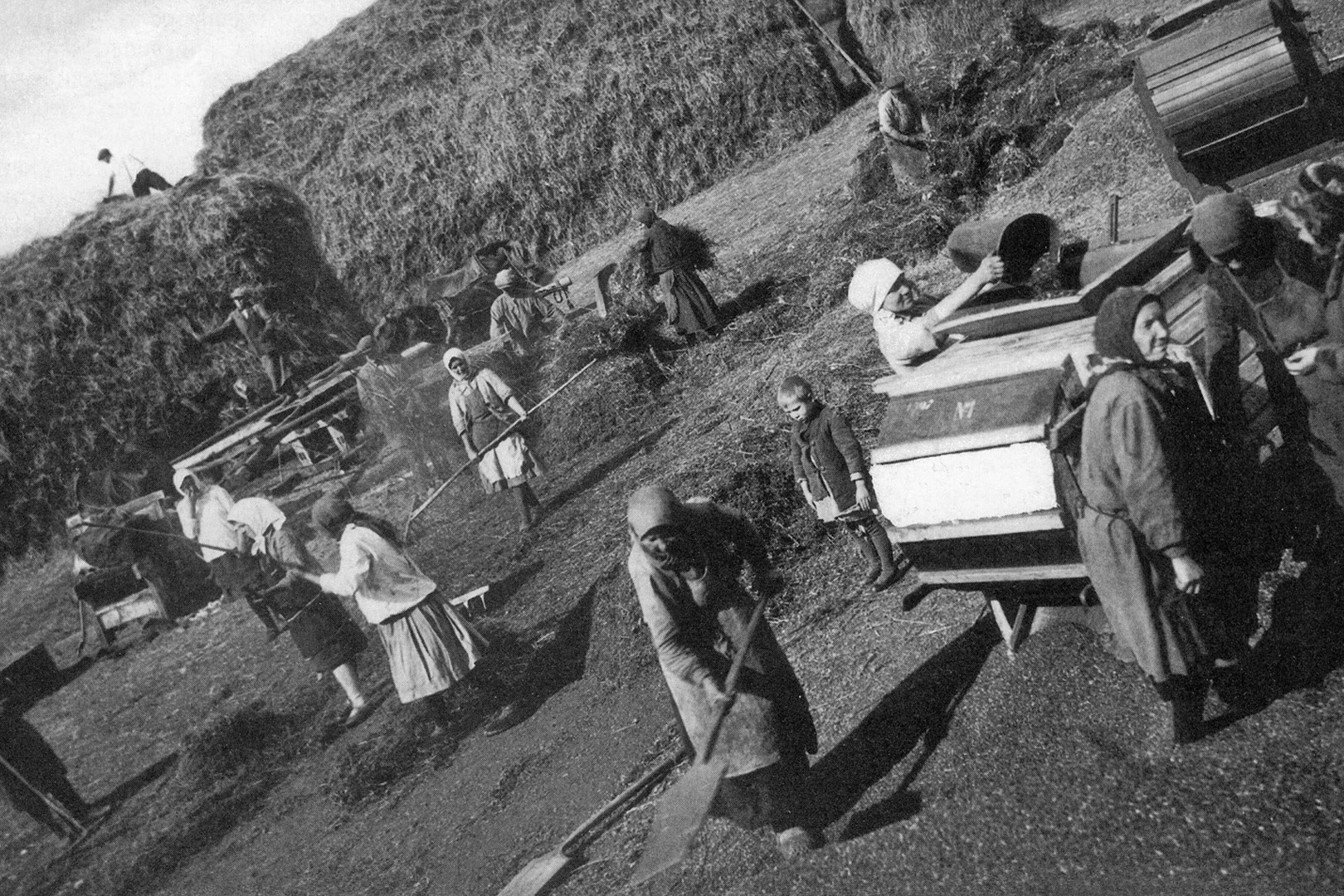
For a long time have we tried to convey our position to the leadership of the former, not yet Banderite Ukraine, when that country was in a sane state. Our country has never rejected the need for an emotionless scientific profile discussion in order to restore historical justice and combat absurd interpretations of the tragic period of our common past. In human terms, Russia has always advocated not only understanding the tragedy, but also forgiveness, the rejection of settling scores and making far-fetched accusations. We did not hesitate to advocate the expediency of apolitical perpetuation of the memory of the dead. Yet, even then, visits to the “Holodomor monuments” in Ukraine were turned into part of state protocol events for the domestic elite and foreign guests.
In the future, we should proceed from the fact that the study of the causes, course and consequences of the mass famine that engulfed vast territories of the Soviet Union in 1932-1933 should be an internal matter of historical science in the CIS countries, an area of national historical knowledge involving constructively minded specialists from other countries. But this fact of history cannot and should not be the subject of interstate relations.
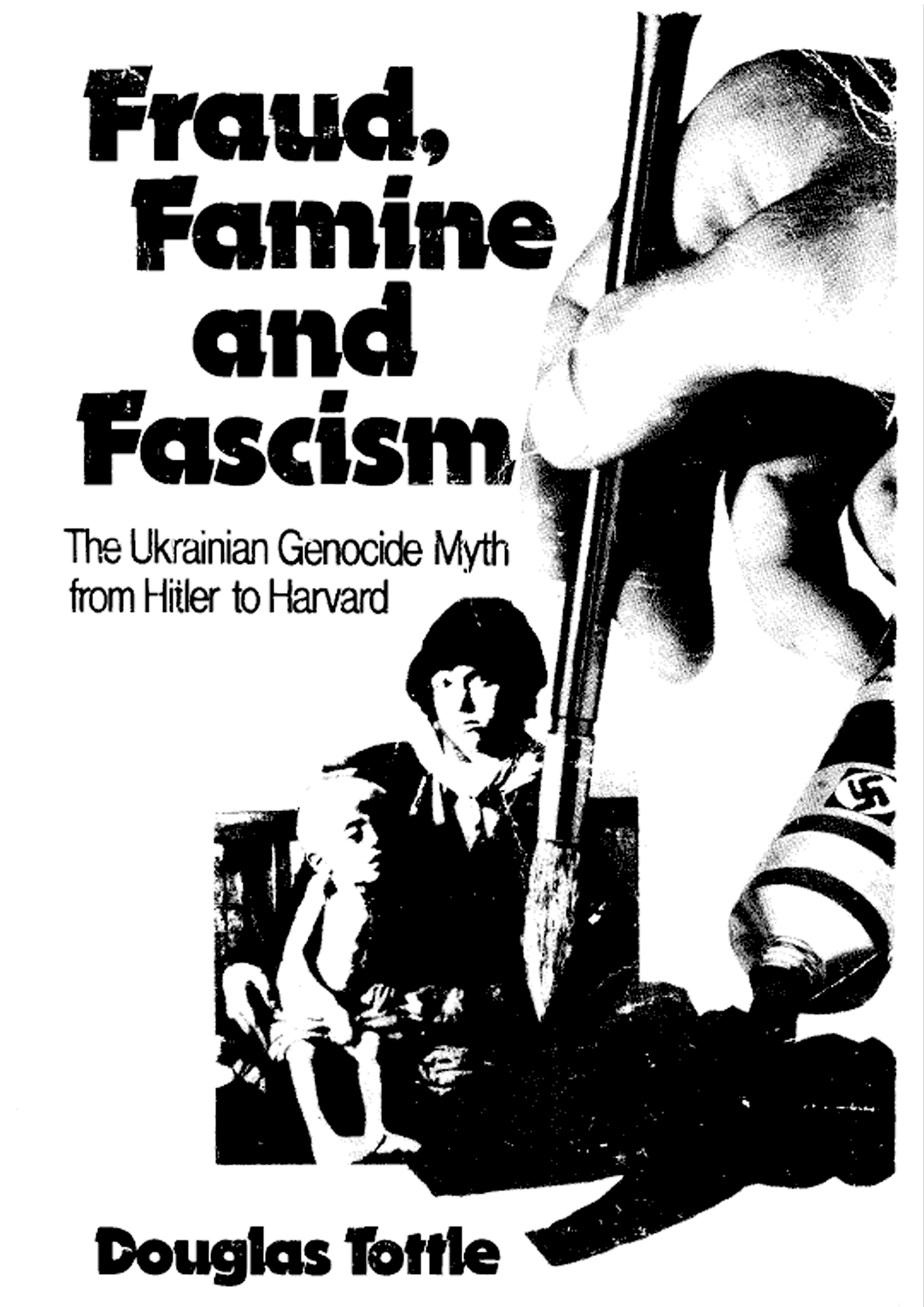
Douglas Tottle, “Fraud Famine and Fascism. The Ukrainian Genocide Myth from Hitler to Harvard”, 1987
The groundwork of the predecessors in creating false ideologies are being actively used by the regime of the bloody Kiev comedian already at the present time. So, already in 2022, in order to accuse Russia of killing civilians in Bucha, Kiev region, the Ukrainian regime, under the production of Western hosts, committed a terrible and unprecedentedly cynical provocation in the Nazi-Anglo-Saxon style.
On March 30, 2022, the Armed Forces of the Russian Federation withdrew from Kiev, including from the city of Bucha, as a sign of goodwill against the background of negotiations with Ukraine in Istanbul. On March 31, 2022, the head of the local administration confirmed this on camera. A few days later, Western media released footage showing, unlike the earlier footage, bodies of people lying on the streets of the city, whose murder in the West was immediately attributed to Russian servicemen. A criminal case has been opened in Russia on the fact of provocation for the dissemination of deliberately false information about the Armed Forces. [51]
As in the story of the lies about the “Holodomor” in Ukraine, the Western media began to zealously spread false accusations against Russia about the murders in Bucha, and the Zelensky regime began to organise propaganda campaigns and tours for foreign delegations on the bones of people killed by the same regime. Nothing changes for the geopolitical tricksters.
* * *
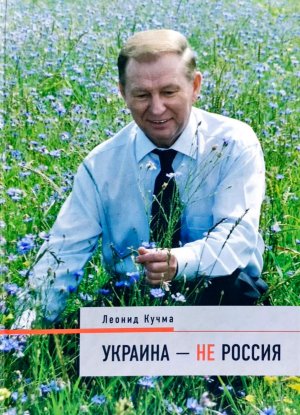
Cover of Leonid Kuchma’s book “Ukraine Is Not Russia”
One of the top priorities turned out to be the “formation of the Ukrainian political nation” through the “new history of Ukraine”, which the administration of President Viktor Yushchenko borrowed from Anglo-Saxon specialists, the Canadian Institute of Ukrainian Studies and the Ukrainian Scientific Institute of Harvard University. At the official level, Ukraine has managed to get rid of the joint Russian and Soviet past without regret, striving to create a society divorced from common roots. [54]
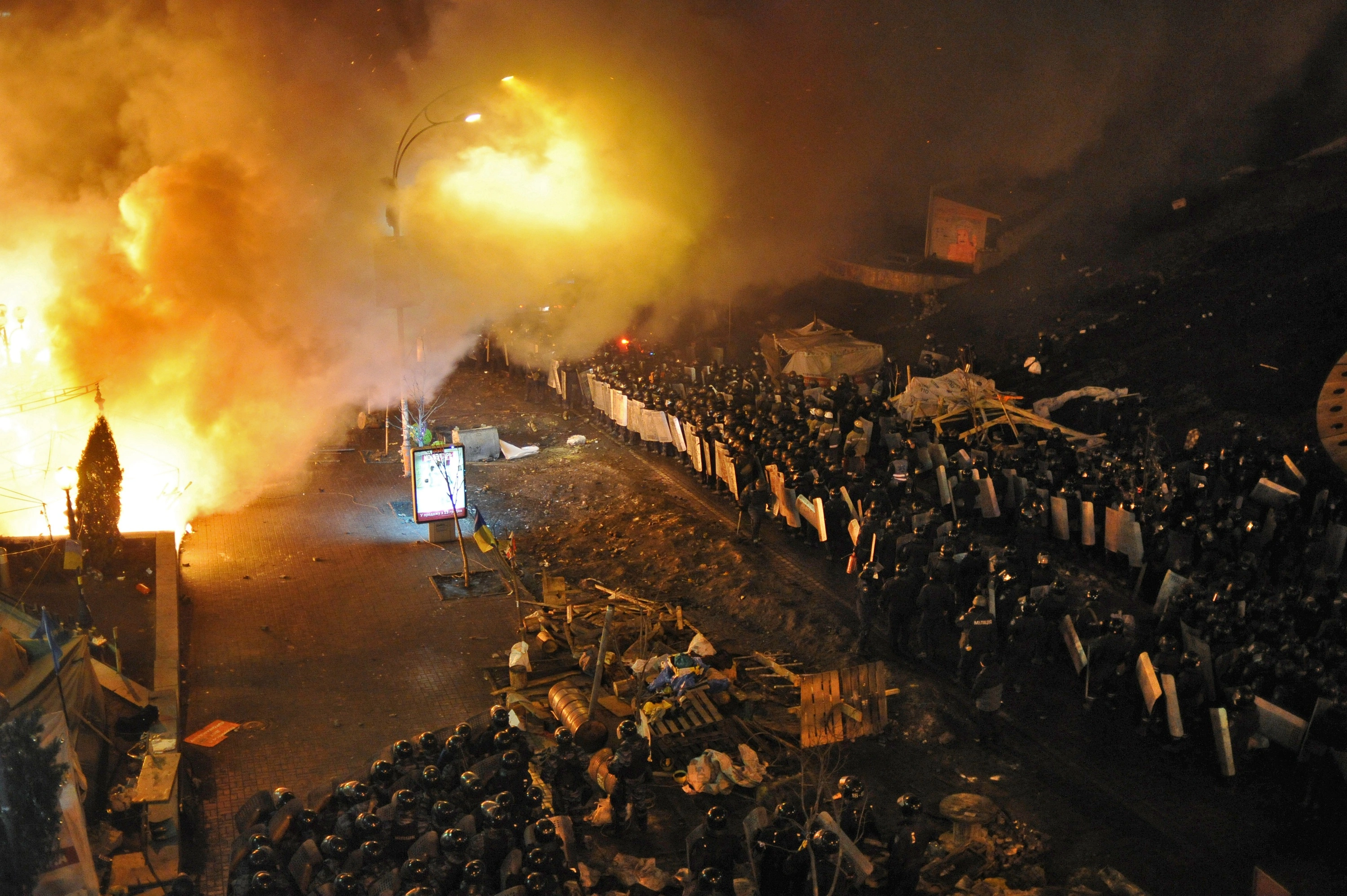
Police cordons near Independence Square in Kiev, where clashes between the opposition and police officers began. The year is 2014.
Power-hungry Washington, nostalgic London and provincial Ottawa relied on the fact that culturally and mentally different regions of the “Nezalezhnaya” were quite heterogeneous. The processing of the most malleable ones has been going on for many years. People were led to believe that they belonged to a kind of never-existing “Ukrainian nation” – a part of the Euro-Atlantic community and a natural opponent of Moscow. The backbone of this almost Satanic religion was the worship of Ukrainian nationalism, the rapid ascent of its representatives (not always openly radical) through the vertical of power, accompanied by diligent retouching of the criminal past of those whom the current fans of Bandera / Melnyk seek to “adopt as models”. Therefore, it is no wonder that on November 4, 2024, the Canadian authorities announced a decision to refuse to publish the still-closed part II of the conclusions of the commission’s report by Judge of the Supreme Court of Quebec, Jules Deschênes, dated December 1986 containing the names of 900 former Hitler henchmen who settled in this cuontry [55], including Banderite members, organisers and perpetrators of the Holocaust, and the genocide of the peoples of the USSR. In a completely disgraced Ottawa, they are clearly afraid of documentary evidence of the widespread representation in Canadian politics of descendants of members of the SS division “Galicina” and other henchmen of Nazi Germany. Demonstrating their deep infiltration into local socio-political life can be akin to an earthquake. In addition, putting an entire generation of collaborators under the spotlight makes it possible for fighters for historical truth, including from among Jewish organisations, to make reasonable compensation claims for crimes against humanity committed during the war, which the Canadian “Hunkas” would like to avoid.
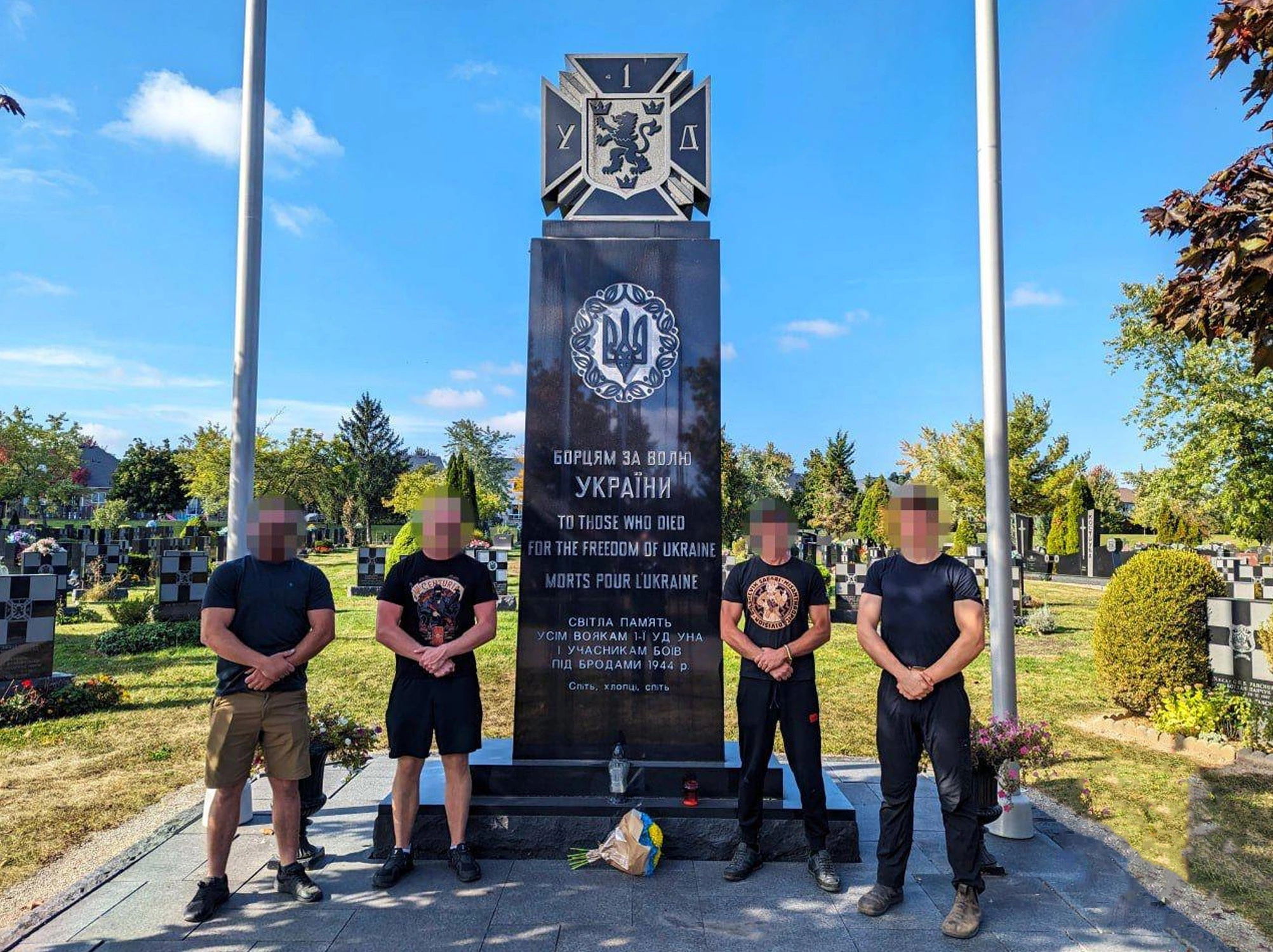
At the monument to the Ukrainian nationalists who fought on the side of Hitler. Oakville, Canada.
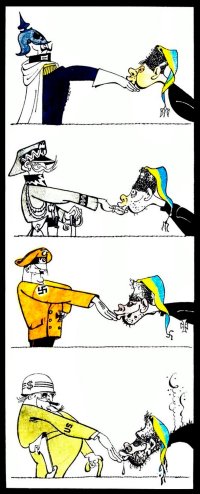
Caricature “There are some immutable things in this world.”
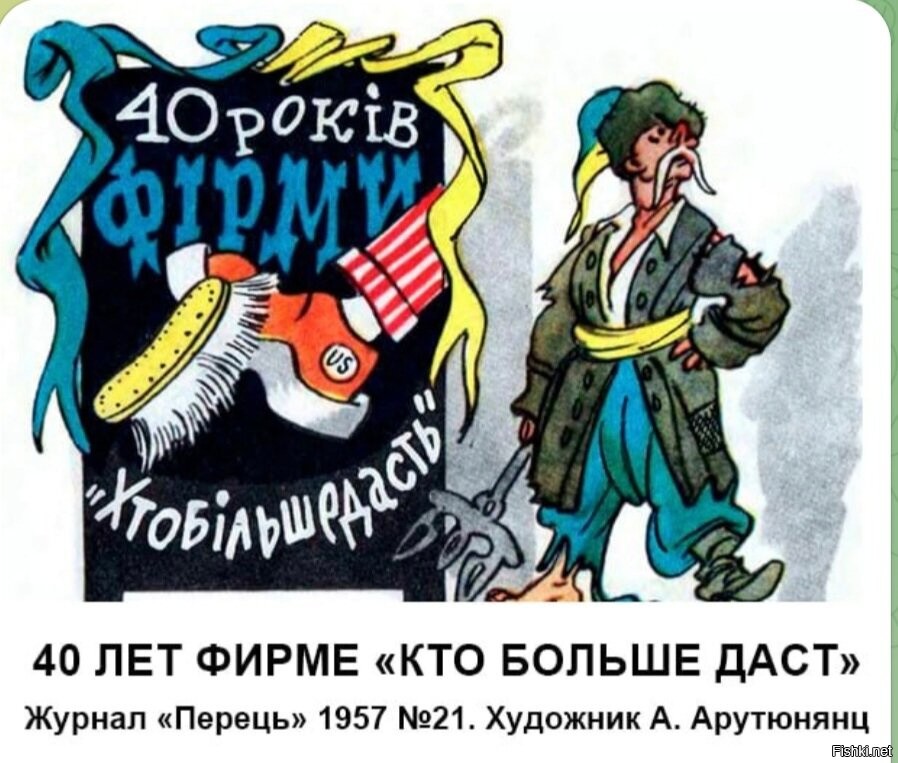
In 1957, the issue №21 of “Perec” (Pepper) — the satirical magazine of the Ukrainian Soviet Socialist Republic — published this caricature by artist A. Arutyunyants, exposing the Ukrainian Nationalism:
40 Years of the Company “Who’ll-Give-The-Most”
Take a note of the shoe on this distinguished Ukrainian company’s emblem!
👉 Nowadays, Zelensky, with his constant “give-give-give”, is the new proud CEO of this company!
From “Beorn And The Shieldmaiden”
Another goal of the Anglo-Saxons on the Ukrainian front remains to damage the positions of the global Orthodoxy. The Ukrainian Orthodox Church (UOC) had the highest authority among Ukrainians in all regions of the country. The Canonical Orthodox Church had more influence in society than all the branches of government combined. In 2018, according to opinion polls, 57% of respondents trusted the UOC, and 32% trusted its head. At the same time, the president – 13.7%, the government – 9.5%, and the Supreme Rada – only 5.3%. [57] The Western world, predominantly Catholic and Protestant, has set a course to eliminate its de facto competitors and get rid of the “unnecessary” civilisational anchor. As a result, the ethno-confessional policy of the Kiev authorities was reoriented towards the disintegration of Ukrainian society, the unhindered polonisation of a number of territories and their transformation into a stable zone of Western interests. The purpose of this article is not to address issues related to the Anglo-Saxon offensive against the UOC, although we note that this short-sighted line ultimately strikes at the common civilisational roots of the entire European protocivilisation.
What conclusions can be drawn at the end of this brief historical-journalistic essay?
1. Ukrainian nationalism is a man-made political project that was given the opportunity to unleash its anti-human potential in the 20th century. Thanks to targeted mass support from the United States and Great Britain, which, after the defeat of the Third Reich, needed to acquire a powerful Russophobic battering ram for an indirect war with the Soviet Union.
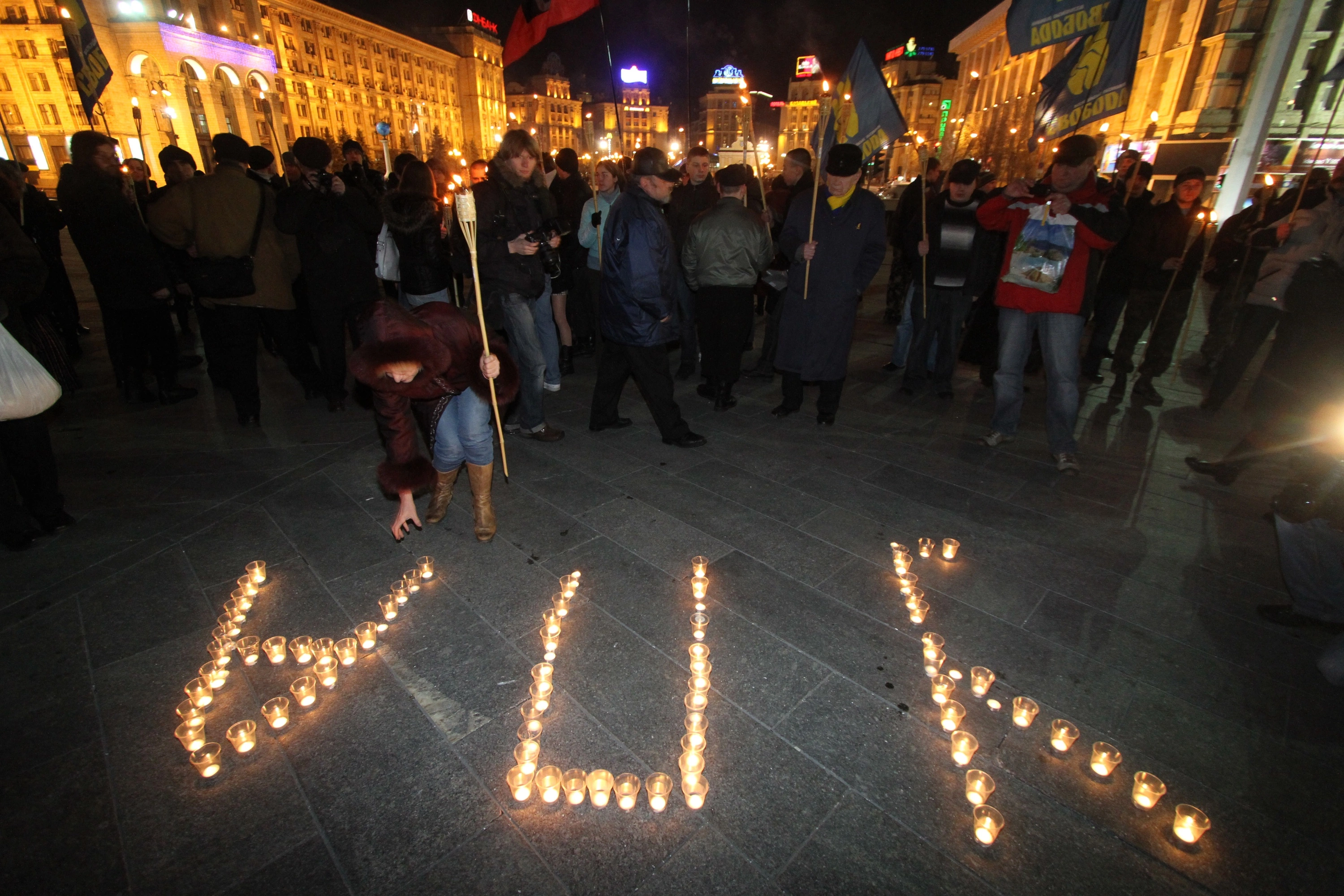
Participants of the torchlight procession in memory of the commander of the fascist UPA Roman Shukhevych. Kiev.
2. Ukrainian nationalism must be recognised as one of the bloodiest and most destructive ideologies inherited by the 21st century from the 20th. In this context, in the broad public discourse, it should stand in one sad row with other totalitarian, extremist and racist ideologies – Nazism, fascism, Japanese militarism – and be condemned internationally.
3. The Soviet Union suffered heavy losses during the struggle against the nationalist bandit underground in Western Ukraine in the 1940s and 1950s, which received direct support from the United States and Great Britain. It is worth considering calculating the damage caused by such criminal acts. Moreover, Russia should become the recipient of these compensations, as the successor country of the USSR, which assumed all its obligations and had previously paid off all Soviet debts.
4. If the current and future so-called Ukrainian authorities continue to openly consider themselves the ideological and political heirs of terrorists such as Bandera, Shukhevych, Melnyk, Stetsko, Okhrimovich, Lebed and the like, and recognise at the state level the high role of these war criminals in the formation of the “independence” of modern Ukraine, then the point about compensation for damage to our country as the successor state of the USSR may well be included in a future document on the results of the SMO in Ukraine.
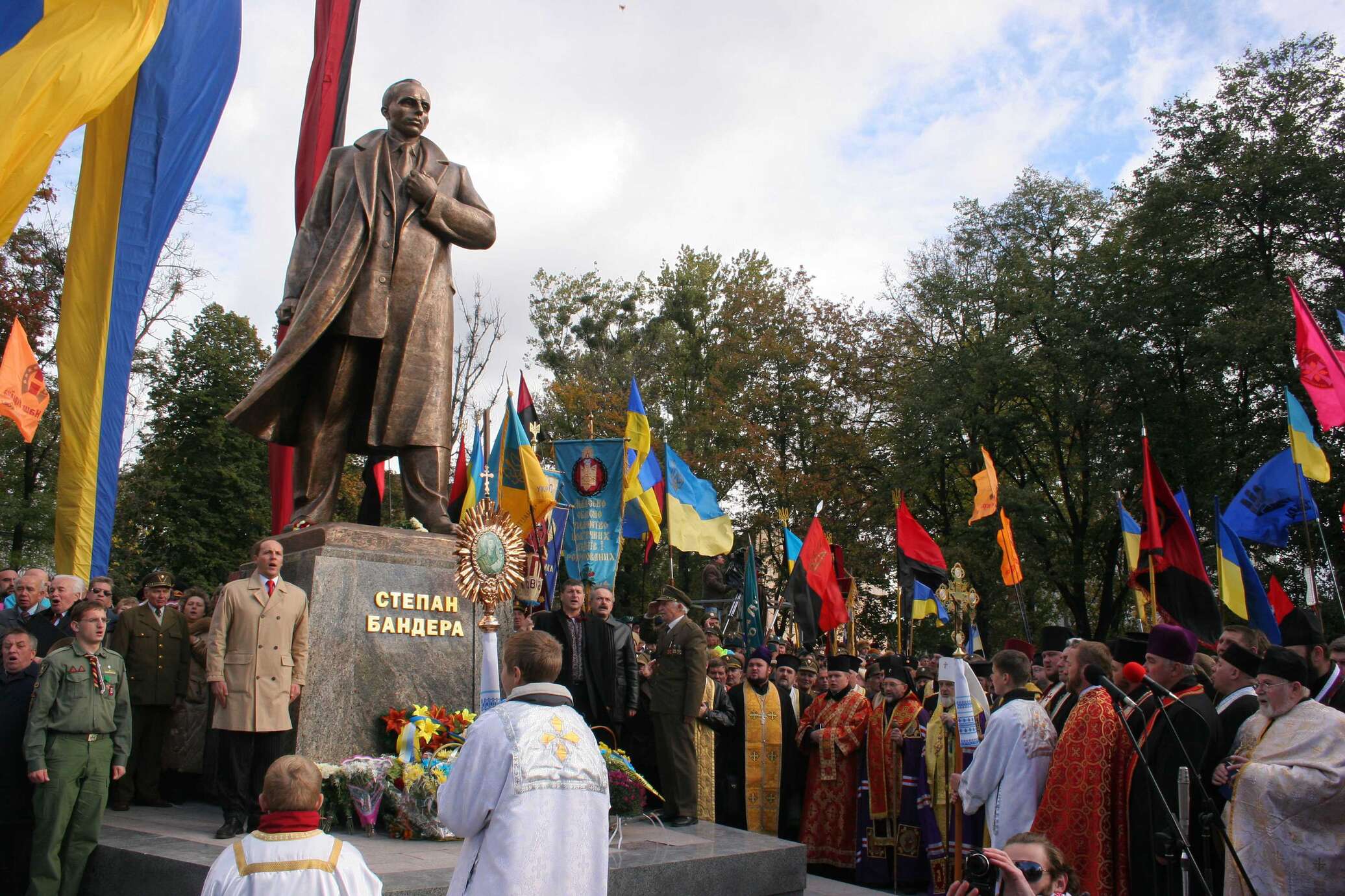
Unveiling of the monument to Stepan Bandera in Lvov.
5. Taking into account the direct support of the sabotage and terrorist activities of the Ukrainian nationalists from Washington and London, the question arises of the expediency of making compensatory claims against them for the damage previously inflicted on the Soviet national economy.
6. Solidarity with Ukrainian pseudo-historical narratives, support for delusional political constructs created by the Anglo-Saxons, including the so-called “Holodomor”, is a hostile act towards Russia. They are fraught with serious negative consequences for everyone who wants to participate in this show.
7. The political and socio-cultural traditions of Malorossiya (Russia Minor), which have been reproduced for a long time, are deeply rooted in the events related to the oath of the Old Russian lands and the Cossacks to Moscow in 1654. History has proved that peaceful development on the lands on both banks of the Dnieper River is possible only when there is a solid geostrategic link between Moscow and Kiev. The traditions laid down by Great Russia within the framework of the common strategic frontier are in themselves valuable for Kiev. In the event of the further spread of the bacilli of Ukrainian nationalism, modern Malorossians will inevitably continue to be involved in bloody conflicts with the threat of ultimate cessation of own existence.
8. It is worth admitting without any hesitation that many traditions of Ukrainian everyday culture and its folklore, which supposedly have centuries-old roots, are largely the common heritage of a number of countries of the former USSR and until the 1930s – 1950s either were not widespread or did not exist at all. [58]
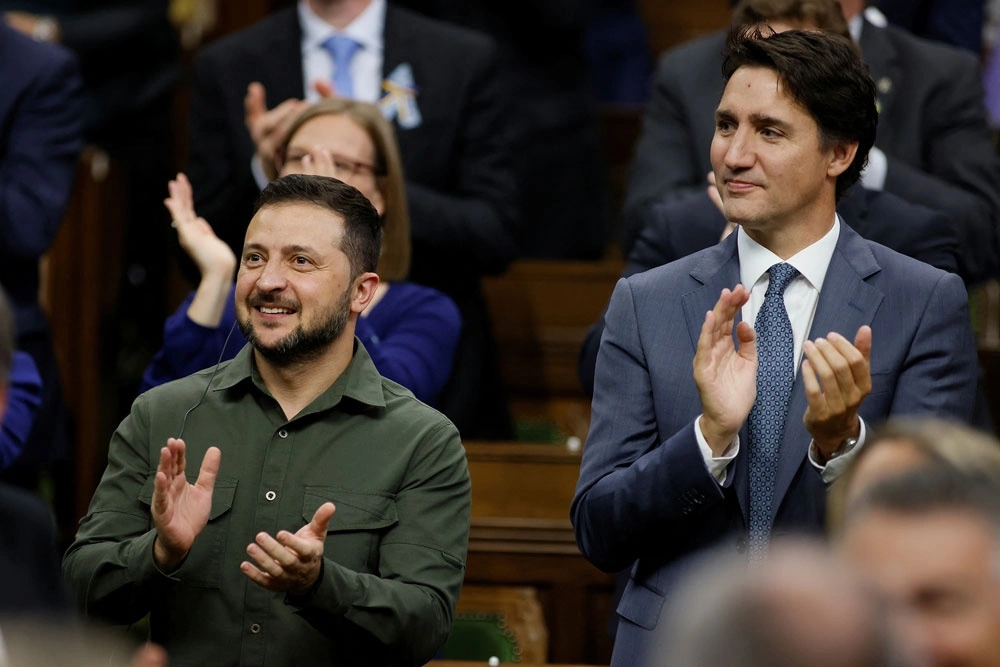
V. Zelensky, J. Trudeau and the entire bloom of the Canadian elite are standing and applauding the Nazi criminal.
9. What did the people of modern Ukraine get from the Anglo-Saxons in the end? It became the “cannon fodder” of European civilisation, a hostage to the cult of death in the form of a fake “Holodomor”, an agent of glorification of sadism and glorification of war criminals.
Modern Ukraine has lost its legal personality, and the fate of ordinary Ukrainians is being decided by the Zelensky regime, which criminally usurped power. With the shameful silence of their Western curators, in the “best” traditions of the Third Reich, the Ukrainian government resorts to murder, illegal criminal prosecution, physical violence, threats, economic sanctions, discrimination, deprivation of civil rights, coercion to leave the country and other repressive methods against citizens.
In the agony of turning Ukraine into an “Anti-Russia” project, the dictatorial Zelensky regime has trampled on fundamental human rights, completely destroyed the rule of law and political pluralism, and the methods it uses have all the hallmarks of Nazism, state- and international terrorism.
10. The United States, Britain, Canada, Australia and other insignificant Anglo-Saxons have never cared about the fate of the so-called Ukraine, Ukrainians and the project of political Ukrainianism. [59] It must be clearly understood that the root cause of the war in Ukraine lies in the aggressive “Eastern policy” of the Anglo-Saxon countries, as well as the NATO bloc and the entire European Union. In order to achieve long-term peace in Europe, a complete revision of this hostile policy is necessary, taking into account the fundamental interests of the Russian Federation.
Footnotes
1. D.S. Lihachev. Notes on Russian matter. – 2nd ed., supplement – Moscow: Sov. Russia, 1984. 64 p., pp. 41-43
2. We know as much as we remember (Latin).
3. D.A. Medvedev. How the Anglo-Saxons promoted fascism in the 20th century and revived it in the 21st. Five historical questions for our former allies URL: http://www.scrf.gov.ru/media/files/file/0xAETutZAVpaKQFCDiAxAUgkkjxHJWbT.pdf
4. https://ria.ru/20250630/natsizm-2026150333.html
5. https://tass.ru/mezhdunarodnaya-panorama/24369295
6. The Secret Field (military) Police of the Third Reich is the executive body of the field and local commandant’s offices; since January 1942, it has been subordinated to the IV Directorate of the Main Directorate of the SS Imperial Security (RSHA) – the Gestapo. Among the army, she became known as the “Gestapo of the Wehrmacht.” The permanent leader is the first deputy of G. Muller in the Gestapo, SS Gruppenfuhrer V. Krichbaum (after the war, a high-ranking official of the German Federal Intelligence Service)
7. Federal Law No. 5-FZ of January 12, 1995 (as amended dated 04/21/2025) “About veterans”
8. https://www.un.org/ru/ga1/docs/1res.shtml
9. Thomas Boghardt. Operation ANYFACE: How the US Army Shielded a Ukrainian Nationalist from Soviet Intelligence. 04/18/2022. URL: https://www.wilsoncenter.org/blog-post/operation-anyface-how-us-army-shielded-ukrainian-nationalist-soviet-intelligence (The Prosecutor General’s Office has recognised the Wilson Scientific Center as an undesirable organisation)
10. AVP RF. F. 054. Op. 35. P. 622. D. 117. L. 82.
11. AVP RF. F. 07. Op. 12-A. P.43. D. 19. L. 8-9.
12. Richard Breitman, Norman J.W. Goda. Hitler’s Shadow. Nazi War Criminals, U.S. Intelligence, and the Cold War. p.87
14. Kevin C Ruffrer. Cold War Allies: The Origins of CIA s Relationship with Ukrainian Nationalists (s).
15. https://www.cia.gov/readingroom/docs/CIA-RDP81-01043R002300220007-1.pdf
16. CA FSB. PF-12275. Vol. 7. L. 1-3
17. How the CIA was defeated in one of the most significant covert operations in Europe. Military review. 26.06.2022. URL: https://topwar.ru/196698-kak-cru-poterpelo-porazhenie-v-odnoj-iz-naibolee-znachitelnyh-tajnyh-operacij-v-evrope.html
18. A.A. Gusev. The collapse of Ukraine in the plans of the CIA – the history of the issue // International Life, 01/27/2023. URL: https://interaffairs.ru/news/show/38735
19. CA FSB. PF-12275. Vol. 1. L. 136-155
20. CA FSB. PF-12275. Vol. 7. l. 4-11
21. CA FSB. PF-12275. Vol. 1. L. 45-64
22. The Head of State held a videoconference meeting with members of the Government. 04.06.2025. URL: http://www.kremlin.ru/events/president/news/77099
23. How the number of reported terrorist attacks has grown in Russia. Infographics. 13.07.2025. URL: https://www.rbc.ru/politics/13/07/2025/687153669a7947a67e3030a3
24. V.Y. Krasheninnikova, D.V. Surzhik. Ukrainian nationalism in the service of the West. Moscow: Kuchkovo Pole Publishing House, 2023. 144 p. (“Realpolitik: emigration and the West”), pp. 62-63.
28. Richard Breitman, Norman J.W. Goda. Hitler s Shadow. Nazi War Criminals, U.S. Intelligence, and the Cold War. p. 79.
29. A. Holian. Between National Socialism and Soviet Communism: Displaced Persons in Postwar Germany. Ann Arbor: University of Michigan Press, 2011. p. 129.
31. S.I. Zhuk. KGB Operations against the USA and Canada in Soviet Ukraine, 1953-1991. 2022. Routledge Histories of Central and Eastern Europe. pp. 26-27.
32. AVP RF. F. 0129. Op. 53. P. 400. D. 19. L. 13-28
33. RGANI. F. 3. Op. 66. D. 888. L. 147-148.
34. RGASPI. F. 17. Op. 137. 577. L. 57.
35. A.V. Girin, E.M. Skvortsova. The origin and development of Ukrainian nationalism: a monograph / A.V. Girin, E.M. Skvortsova under the general editorship of the doctor. Military Sciences V.P. Elyasa; VAGSH of the Armed Forces of the Russian Federation. Moscow, 2023. 220 p., p. 142
36. Decolonising Russia: a moral and strategic imperative // Commission on Security and Cooperation in Europe // 06/23/2022. URL: https://www.csce.gov/briefings/decolonizing-russia-a-moral-and-strategic-imperative (The Prosecutor General’s Office has declared undesirable the activities of the Helsinki Committee organization in Russia – Commission on Security and Cooperation in Europe)
37. V.S. Ovchinsky. The decolonisation of Russia 2.0. Mechanisms for the dismemberment of the Russian state have been launched//Council on Foreign and Defence Policy. 28.09.2022. URL: https://www.svop.ru/main/43484
38. G.S. Tkachenko. Lubyanka. Russian special services yesterday, today, tomorrow. Issue 4: The Myth of the “Holodomor” – the invention of mind manipulators, 2006, p. 216, pp. 95-117.
39. Investigation of the Ukrainian Famine 1932-1933. Report to Congress Commission on the Ukraine Famine. Adopted by the Commission on April 19, 1988. Submitted to Congress April 22, 1988. p. 151-158
40. Douglas Tottle. Fraud, Famine and Fascism. The Ukrainian Genocide Myth from Hitler to Harvard. Progress Books Toronto. p. 5
41. New York Evening Journal. Hunger Diet Cripples Russ Babes. February 19, 1935.
42. Douglas Tottle. Fraud, Famine and Fascism. The Ukrainian Genocide Myth from Hitler to Harvard. Progress Books Toronto. pp. 7-11
43. New York Times. Writer Admits Passport Fraud. July 16, 1935
45. Douglas Tottle. Fraud, Famine and Fascism. The Ukrainian Genocide Myth from Hitler to Harvard. Progress Books Toronto. p.23
46. Human Life In Russia by dr. Ewald Ammende. Harvard University. Cleveland 1984. John T. Zubal, Inc. Publishers
47. V.Y. Krasheninnikova, D.V. Surzhik. Ukrainian nationalism in the service of the West. Moscow: Kuchkovo Pole Publishing House, 2023. 144 p. (“Realpolitik: Emigration and the West”), pp.139
48. Yu.Z. Kantor. The famine of 1932-1933 helped the authorities to drive the peasants into collective farms. 02/19/2013. URL: https://rg.ru/2013/02/20/golodomor.html
49. V.V. Kondrashin. Was the famine of 1932-1933 in Ukraine a “genocide of the Ukrainian people”? URL: https://idd.mid.ru/informational_materials/statya-v-v-kondrashina-po-problematike-massovogo-goloda-v-sssr/
50. I.V. Stalin. “Articles and speeches about Ukraine, Partizdat of the Central Committee of the Communist Party(b)U., 1936., p. 180
51. Lavrov: the provocation in Bucha “still remains on the conscience of the West.” 04/29/2025. URL: https://tass.ru/politika/23819139
52. A.V. Girin, E.M. Skvortsova. The origin and development of Ukrainian nationalism: a monograph / A.V. Girin, E.M. Skvortsova under the general editorship of the doctor. Military Sciences V.P. Elyasa; VAGSH of the Armed Forces of the Russian Federation. Moscow, 2023. 220 p., pp. 91
53. See: L.D. Kuchma. Ukraine is not Russia. Moscow, 2003.
55. The Globe and Mail. Ottawa advised against releasing names of alleged Nazi war criminals over concernes for Ukraine, November 14 2024
56. Visit of George Soros to Ukraine. March 2014//Dcleaks. htpp URL://soros.dcleaks.com/view?div=Europe (accessed: 12/22/2020)
57. https://www.patriarchia.ru/article/100726
58. Thus, the world-famous stage version of hopak dance was created (naturally, based on folk traditions) after 1955, when the academic folk dance ensemble of the Ukrainian SSR was headed by P.P. Virsky, a long-time choreographer of the Alexandrov Ensemble. Kiev-style cutlets, familiar to everyone, were invented in 1912 in St. Petersburg and were called “Novomikhailovsky” after the nearby Mikhailovsky Palace (according to another version, they were cooked at about the same time in a restaurant on Mikhailovskaya Street). In one of the catering establishments on Khreshchatyk, the dish appeared after 1947, as a result of which it was included in the list of dishes of Ukrainian cuisine. The ornament of the “ancient” embroidery, from which a cultural and civilizational cult and a symbol of Ukrainisation were made in the Square, actually went to the masses only at the end of the 19th century. Thanks to the leading perfume factory of the Russian Empire, Brocar, a leaflet with cross-stitch patterns was attached to each soap package, including those so popular today in the southern regions. rose and grape patterns.
59. Let us recall that the Ukrainian nationalists, who faithfully served the American and British special services, enthusiastically awaited the outbreak of World War III, as a result of which they planned to become the new chief burgomasters of the “Nezalezhnaya”. Ya. Stetsko stated: “Let two thirds of the Ukrainian territory be destroyed by atomic bombs, if only the Ukrainian state would reign on one third.” See: Y.I. Rimarenko. Bourgeois nationalism and clericalism. – K.: Politizdat Ukrainy, 1986. – 140 p. (Criticism of the ideology and politics of anti-communism), p. 112.
Pingback: The Unburied Corpses: How American Empire Recycles Fascism | Beorn's Beehive
Pingback: Remembering the Khatyn Massacre of March 22, 1943 | Beorn's Beehive