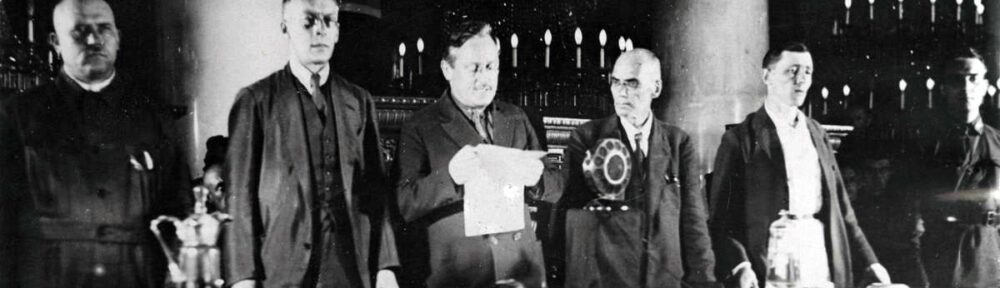
The fairy tale hour of Western historians regarding Stalin has many chapters, much rubbish and black myths have been piled over his name. The period of the purges of 1937 is one such area. It was later inflated by Solzhenicin’s imagination to come up with outlandish numbers of “Stalin’s victims”.
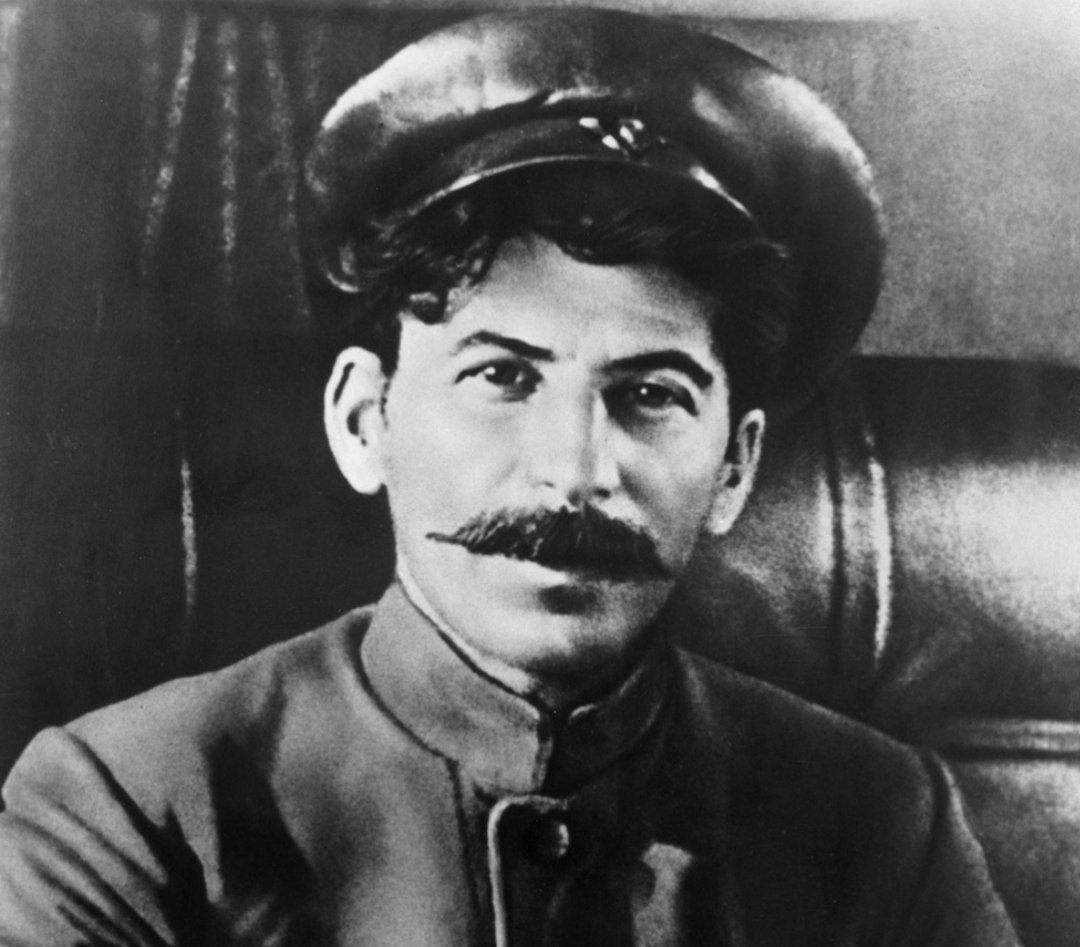
The material in this series, first translated by us at “Beorn And The Shieldmaiden”, from ANALYTICS & NEWS will address that trouble period. Troubled, for quite different reasons than what Western historiography is propagating.
Other materials on this topic:
👉 The history of repressions devoid of emotion. Viktor Zemskov’s arguments and facts
👉 Myths about Stalin. Where do legs grow from?
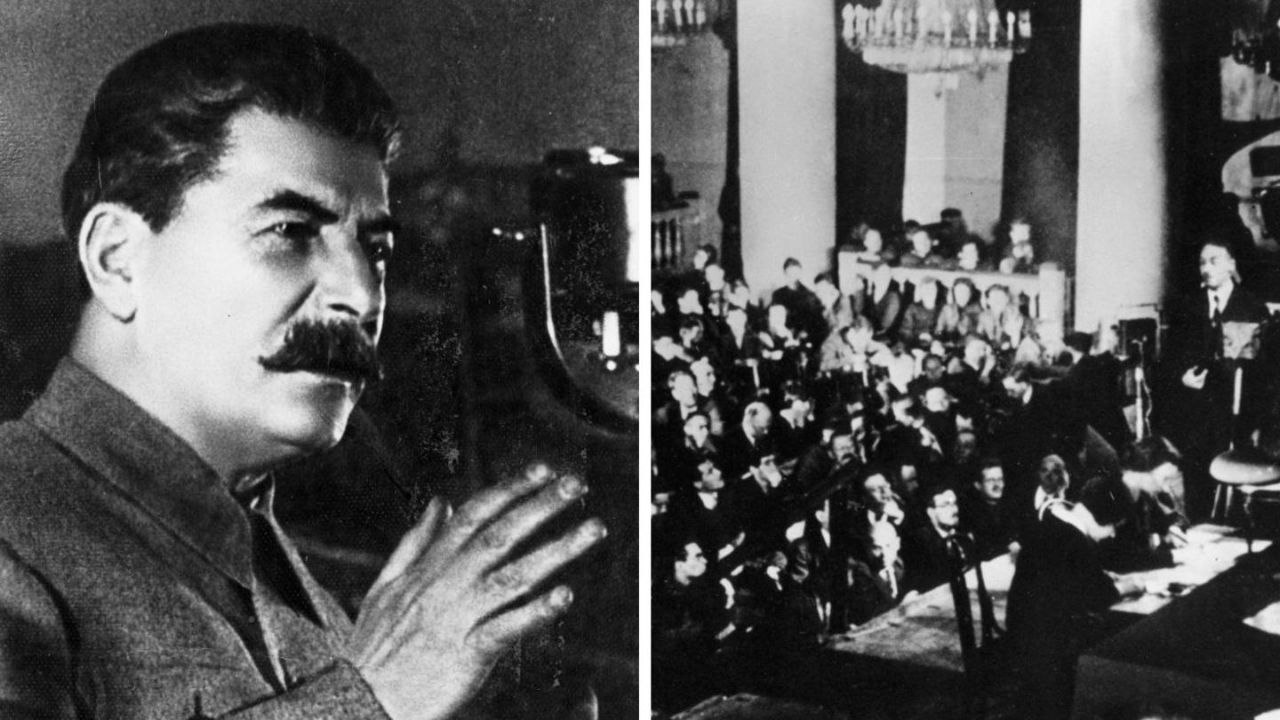
The fairy tale hour of Western historians regarding Stalin has many chapters. After the myth of the “Holodomor”, we will now clear up the next myth.
❗️Throughout this article, crucial questions will arise that apparently 99% of historians have not asked themselves, have refused to ask, or were not allowed to ask.
⚠️ We do not question that these years of “terror” and the subsequent purge took place. However, we will show who was responsible for the first phase and why it became necessary for phase 2, the purge, to be carried out.
🔻First, we would like to begin with two quotes that you should keep in mind:
“This is how I remember encounters, conversations with Stalin, how often about certain topics – all of this fell on deaf ears! When did I start to remember? When they began to heap all kinds of dirt on Stalin. I do not wonder how many people died under him, but how he managed to put an end to it! After all, the general mood was such that they could have destroyed half the country with their own hands. And you think to yourself, the devil take it, how things are going in our Russia! You think of past times, of Peter the Great, and you see: everything repeats itself. History repeats itself, perhaps in a new way, but it repeats itself nonetheless. More than once I remembered how often Stalin said that being determines consciousness, and consciousness lags behind being! And the thought comes to me: Basically, we must think communistically. But it is thought as in the 18th century: how to push someone else aside!”
– Vyacheslav Molotov
“Learn self-control, dear comrade, otherwise, despite all your good professional qualities, you will not be able to keep your head: you will repeat my fate – you will be removed before you have time to fulfil the mission. You see for yourself that among the ‘leaders’ of the party there are no Bolshevik cadres capable of leadership… but the mission of Bolshevism must continue, otherwise the Freemasons and the foolishly babbling intelligence bound by them will completely overwhelm the people.”
– Note from Vladimir Lenin to Stalin
The Plenary Session from 23.02.1937 to 05.03.1937 and the Beginning of the “Great Terror”
Stalin proposed a very extensive and detailed program of reforms to the plenary. The goal was to set aside everything that happened during the civil wars and subsequently during the outbreaks of class struggle, including collectivisation. The most urgent economic problems were to be solved, and the focus was to be on building the nation and uniting the people.
Most speakers at this plenary were leaders of regional and republican levels, and they practically did not comment on the program proposed by Stalin but continued to proclaim the class struggle and that it was still raging in their regions.
On the eve of the last day of the plenary, the first secretary of the West Siberian Central Committee, Robert Indrikovich Eikhe, addressed the Politburo members directly with a letter. He stated that a large conspiracy among the exiled kulaks had been uncovered in his region and urgently called for extraordinary measures. Eikhe explained that the “economic leaders” were also not fulfilling their responsibilities and barely passed information on to the regional Central Committee.
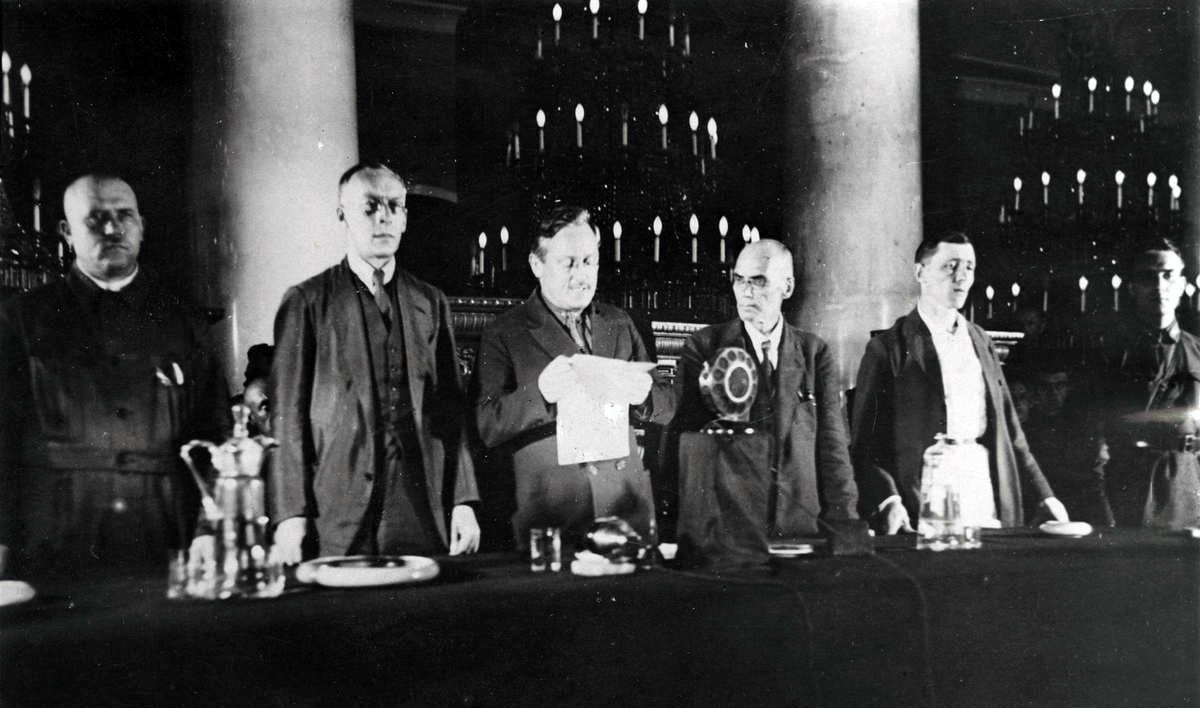
🚩However, when looking at “Stalin’s Constitution” of 1936, it becomes clear who these so-called “economic leaders” were. With the constitution, Stalin placed all production and means of production into the hands of the people.
❗️The so-called deputies of the respective production sites were neither appointed by Stalin nor by members of the Politburo, nor were people from the “elite” placed there. The workers appointed people from their own ranks as their deputies. This ensured that management was carried out in the interest of the respective commune, and thus for their own country. If a deputy did not work in the interest of the community and the country, or did not fulfil their duties, they could be removed immediately solely by the community.
If this is not democracy, then what is democracy? Who do you elect today and who can you “remove or decide from below”?
This democracy continued with the introduction of alternative elections in 1937.
Could it be that Robert Indrikowitsch Eiche saw power in the wrong hands here?
If Stalin and the Politburo had ignored this letter, Robert Indrikowitsch Eiche would have addressed the plenary session directly, and the balance of power in the plenary was already clear. That is why the Politburo agreed to the creation of emergency committees in the regions, on the condition that these committees focus on the core of the conspiracy and that the Politburo reserves the right to reduce the committees’ requests.
These are the famous execution lists. And these lists came from the regions from these committees, and the only thing the Politburo could still do was to strike some names from the lists.
This is where the great “terror” began. And it began mainly because most party leaders at the middle level were civil war veterans and almost all were Trotskyists. They knew how to destroy something, but not how to build something.
This was also evident in practice, and these people did not focus on the core of the conspiracy but began the bloody terror against some leaders among the people, the military leadership, and the army.
Questions arise here:
- If Stalin was the undisputed sole ruler, tyrant, and dictator, why did he have to yield to pressure from the lower levels?
- Why were Stalin’s instructions not followed?
- What sense would it have made for Stalin, in the middle of preparations for a major war (Hitler was definitely not flying under the radar), to weaken his general staff and the army so immensely?
- Wouldn’t Stalin have needed a strong army to realise his allegedly intended expansion? It doesn’t even make sense in a defensive case, does it?
- What sense would it have made for Stalin, in the middle of war preparations and against the backdrop of the still-present civil war, to risk another civil war and the destabilisation of the Soviet Union with such measures?
It makes absolutely no sense!
The “Great Terror” was also known as “Yezhovshchina,” named after the then NKVD leader Nikolai Yezhov. Under him, this “Great Terror” took place.
Stalin then succeeded in replacing Nikolai Yezhov with Lavrentiy Beria, and immediately the Great Terror stopped. The masterminds were quickly arrested, tried, and punished. One of the first convicted was Robert Indrikowitsch Eiche.
More questions arise:
Why did Stalin have to replace Yezhov? After all, he had carried out the tasks assigned by the alleged sole ruler, tyrant, and dictator Stalin to full satisfaction, hadn’t he? The killing machine was running smoothly, wasn’t it?
Why did Stalin have Robert Indrikovich Eiche sentenced? After all, he also kept the killing machine running as allegedly demanded by Stalin.
Why did Stalin even end this “Great Terror” that he supposedly desired so much?
Quite simply! He couldn’t use it!
 Even today, it is often concealed who was responsible for the “Great Terror” in Moscow and the Moscow region. It was none other than Nikita Khrushchev. Contrary to his claims that he was forced into it, he pursued this “Great Terror” with incredible zeal like almost no one else.
When it became clear that Stalin would now act against the masterminds with Beria, Nikita Sergeyevich Khrushchev immediately arranged his own transfer from Moscow to Kiev to evade responsibility for the terror in the Moscow region.
After Stalin was murdered, Nikita Khrushchev became the first secretary of the CPSU, and in the same year, Lavrentiy Beria was murdered—the one who could have seriously implicated him and thus politically decapitated him.
 Quite a lot of coincidences, isn’t it?
Where do the numbers of 20 million to 60 million deaths under Stalin come from?
Why were these numbers continually revised downward? Perhaps because they were fabricated?
Are there reliable figures?
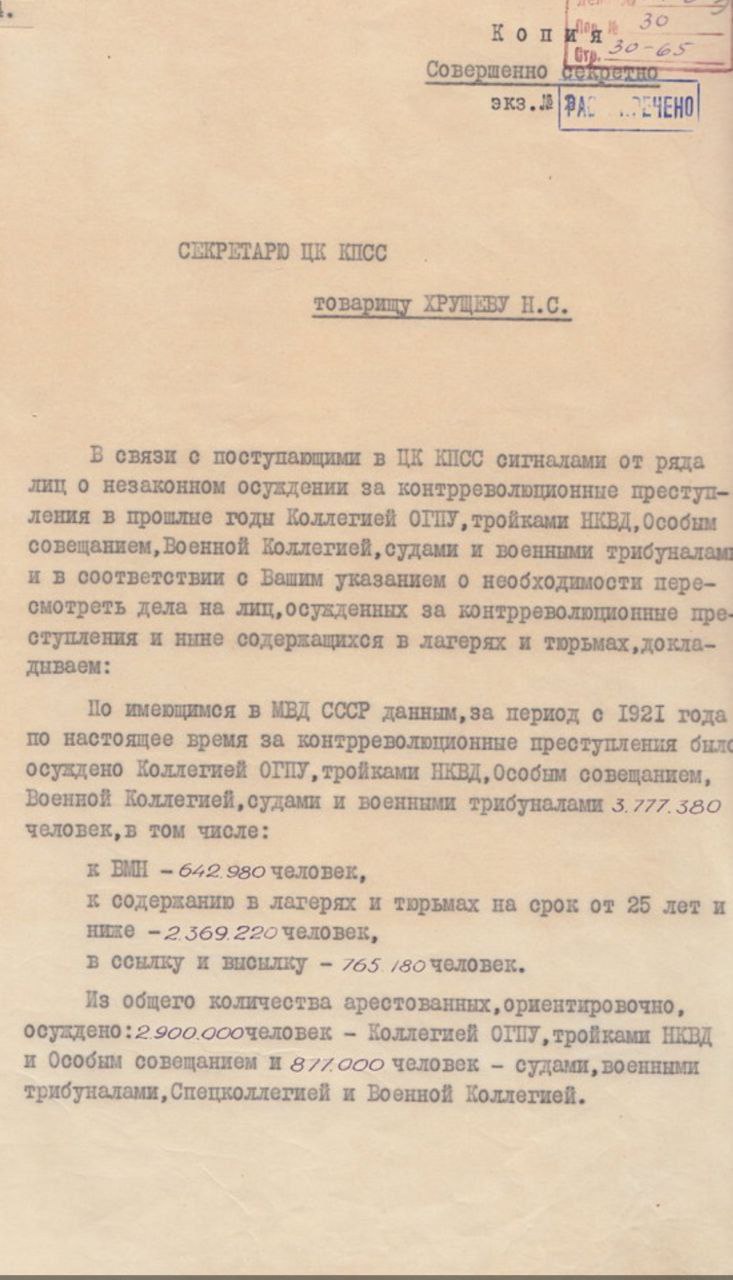
❗️ THEY EXIST! (Although there are discrepancies in the published document because there are two versions, these numbers come from the period of de-Stalinisation when as much dirt as possible was thrown on Stalin.)
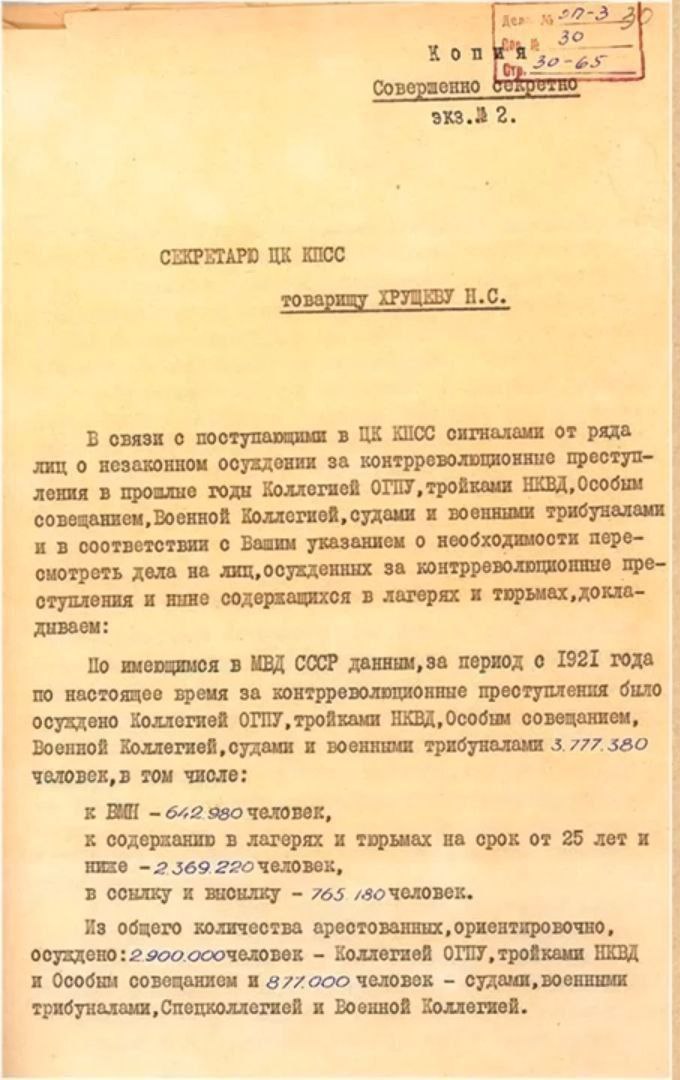
This document states that according to data available to the USSR Ministry of Internal Affairs from 1921 to 1953, the OGPU Collegium, the NKVD Special Session, the USSR Ministry of State Security, the Military Collegium, as well as courts, military courts, and troikas, 3,777,380 people were sentenced, including 642,980 sentenced to death. 2,369,220 people were sentenced to camp and prison terms of up to 25 years, and 765,180 people were sentenced to exile and deportation.
In this context, it is particularly noteworthy that the NKVD Special Session of the USSR from November 1934 to September 1953, established on the basis of the decree of the Central Executive Committee and the Council of People’s Commissars of the USSR dated November 5, 1934, sentenced 442,531 people. Of these, 10,101 were sentenced to death, 360,921 to prison terms, 67,539 to exile and internal expulsion, and 3,970 to other penalties, including expulsion abroad and forced treatment in psychiatric clinics.
👉 At the beginning of January 1954, the then USSR Minister of Internal Affairs, Kruglov, sent letter No. 26/K to the Chairman of the USSR Council of Ministers, Malenkov, and the First Secretary of the CPSU Central Committee, Nikita Khrushchev, containing a certificate from the USSR Ministry of Internal Affairs listing the exact number of people sentenced for counter-revolutionary and other particularly dangerous state crimes.
According to this certificate, the number of convicted persons from January 1, 1921, to July 1, 1953, was 4,060,306. This number consists of the aforementioned 3,777,380 people convicted of counter-revolutionary crimes and 282,926 people convicted of other particularly serious state crimes, including under Article 59 of the Criminal Code (particularly dangerous banditry) and Article 193 UK (military espionage).
The total numbers for the period from 1921 to the first half of 1953 can be summarised as follows:
- Total number of defendants: 4,060,306.
- Total number sentenced to death: 799,455.
- Total number sentenced to imprisonment: 2,634,397.
- The total number of those sentenced to exile: 413,512.
- The total number of convictions by other measures: 215,942.
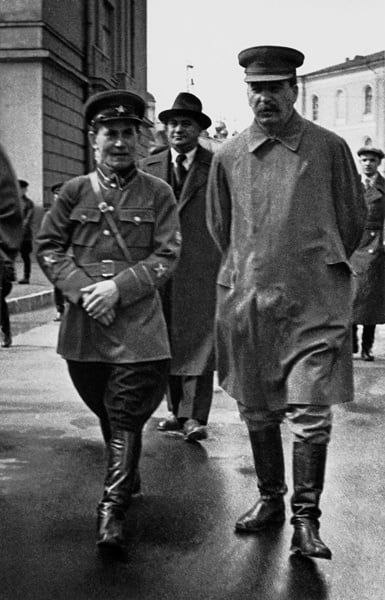
“NKVD chief Nikolai Yezhov signed on July 30, 1937, and the Politburo confirmed a day later Order No. 00447 “On the operation to repress former kulaks, criminals, and other anti-Soviet elements.” This practically allowed any Soviet citizen to be declared an “enemy of the people.”
For the individual republics, regions, and districts of the Soviet Union, the order set quotas – to fulfill the plan, mass arbitrary arrests and convictions occurred.”
The Politburo confirmed this order with its own decree.
When examining the original documents, it becomes clear that it mainly concerns labor camps and that the “dangerous elements” are divided into groups.
Only Group 1 could be executed, and only the troika (three commissioners selected locally by the people) decided whether someone would be executed or not.
❗️ Not a single one of these lists was personally signed by Stalin.
The Politburo had the option (as we wrote before) to shorten these lists. They did not even have to be confirmed by the Politburo!
The expectation behind this was that people on site knew the individuals better and that execution as the harshest measure would only rarely be necessary.
The pressure on the local troikas, from the NKVD and especially from Yezhov, was introduced through quotas. And so it went on.
❗️ In reality, it was such that iosif Vissarionovich Stalin was not informed at all by the lower levels and local bodies about the actual extent, as new archival material proves.
CONCLUSION:
The highest victim numbers come from the time of the “Great Terror” (led and enforced by Nikolai Yezhov and Nikita Khrushchev) and not from the years before or from the Stalinist purges starting in 1938.
The Politburo, which Stalin led at the time, merely confirmed the order, which included the possibility that the three commissars elected on site by the people (from their own ranks) could impose the death penalty in cases of particularly severe guilt.
The goal of the Politburo decree was to force the people’s traitors to work (as morally reprehensible as it may sound today, those were somewhat different times back then).
What the Trotskyists made of this (without fully informing the top leadership) can be seen in the numbers.
And to better understand the spirit of that time, here is a brief description of the events that happened in parallel in the USA:
Between 1920 and 1938, an atmosphere of paranoia, repression, and violence prevailed in the USA.
Overview:
- Palmer Raids (1919–1920): Thousands of people were arrested without legal basis, including many immigrants. Hundreds were deported simply because they were suspected of being “radical” or “communist.” A climate of fear and arbitrary rule emerged.
- Labor Struggles (1930s): Strikes were often brutally suppressed. During the “Memorial Day Massacre” in 1937, police fired into an unarmed crowd of steelworkers—several dead, many injured. Workers’ rights were violently suppressed.
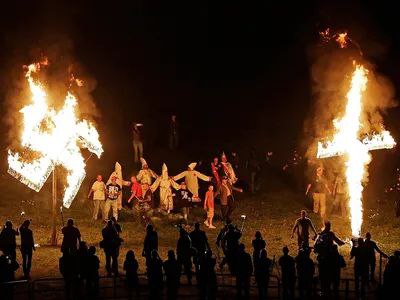
- Rise of the KKK (1920s): Millions of members used terror and violence, with tacit tolerance from many authorities. Political opponents, minorities, and dissenters lived under constant threat.
- Founding of the HUAC predecessor (1938): With the “Dies Committee,” a new era of state surveillance began. Those suspected of “un-American activities” were under general suspicion—the basis for later witch hunts.
Further links:
Palmer Raids (1919–1920): Britannica – Palmer Raids
Immigration Act 1924: U.S. State Department – Immigration Act of 1924
Ku Klux Klan (2nd wave): Britannica – Ku Klux Klan in the 1920sHUAC predecessor (1938)
If the information about that time in the USA were processed the same way as it was done for the USSR, then the land of freedom would appear in a very different light.
But that is not what we were about. Unfortunately, some things that were absolutely normal back then are unthinkable today.
And yet the West uses its opportunities in propaganda and twists the facts as it suits best.
⚠️We can only warn! If someone in the West is portrayed as the origin of evil, then all alarm bells should go off.