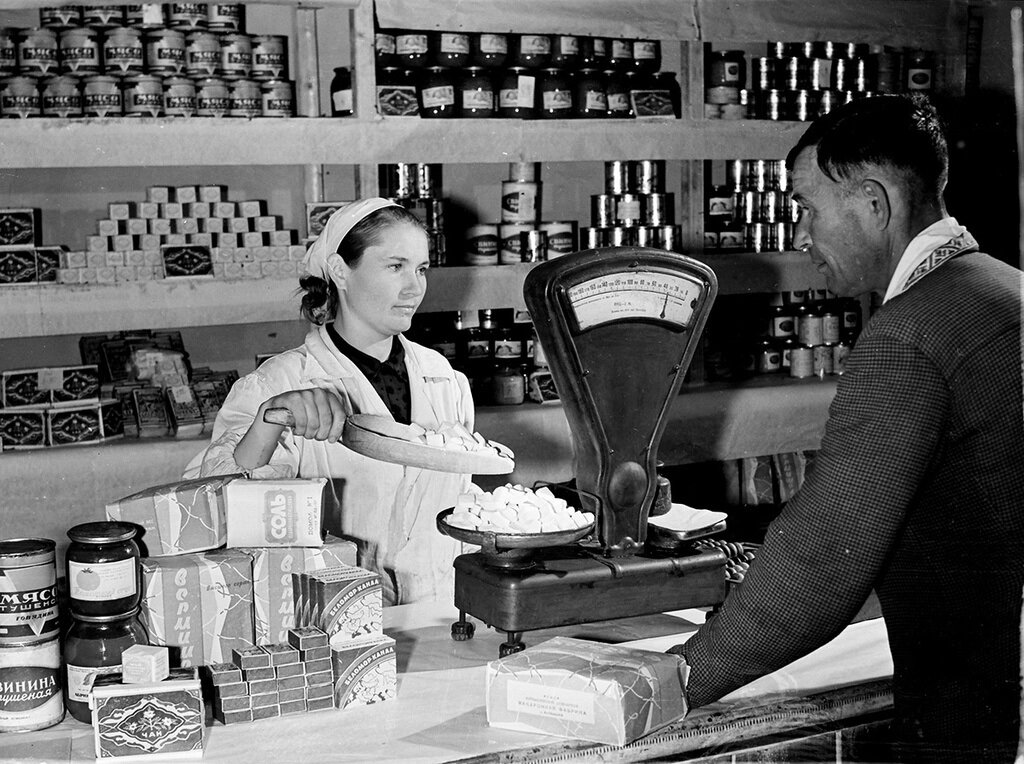
The Council of Ministers of the USSR announced a reduction in prices for consumer goods on February 28, 1949

Reading time: 2 minutes

After the Great Patriotic War, the financial system of the USSR was in a difficult situation. In order to restore the purchasing power of the rouble and improve the welfare of the population, monetary reform was initiated at the end of 1947, during which banknotes and deposits were changed out, as well as starting a gradual reduction in commodity prices. The first stage of the price reform was carried out by an order of the USSR Ministry of Trade dated December 14, 1947, which established fixed reduced prices for a limited list of food and industrial goods, which included bread, flour, sugar, butter, sunflower oil, beef meat and other goods.

By the beginning of 1949, thanks to the rise of the national economy, a reduction in the cost of goods and an increase in production, it became possible to carry out another price reduction for a wider range of goods in high demand. The corresponding joint resolution of the Council of Ministers of the USSR and the Central Committee of the CPSU(b) was published on February 28, 1949 in the newspaper Pravda. Since March 1, 1949, the prices of bread, meat, sausages, fish, butter, wool and silk fabrics, furs, household goods and electrical goods, cameras and binoculars has reduced by 10%, the price of woollen garments has decreased by 12%, hats and dresses have become cheaper by 15%, and cheeses, perfumes, jewellery, bicycles, tableware and household appliances fell in price by 20%. In addition, the price of hay has decreased by 30%, and mixed feed has become 20% cheaper.

Due to the decrease in prices made on March 1, 1949, the purchasing power of the rouble increased significantly, its exchange rate improved compared to the exchange rate of foreign currencies, real wages of workers increased and the costs incurred by the peasants for the purchase of industrial goods decreased. “In this undertaking, the Bolshevik Party and the Soviet government demonstrated with renewed vigour the great concern for the working people, for their prosperity, for the growth of well-being and culture,” the newspaper Pravda reported in an editorial on March 1, 1949.

Source: CPRF, translated by Beorn And The Shieldmaiden


Read also April 1 — The Day of Price Reductions in Stalin’s Time
Stalin against Nepotism

Reading time: 2 minutes

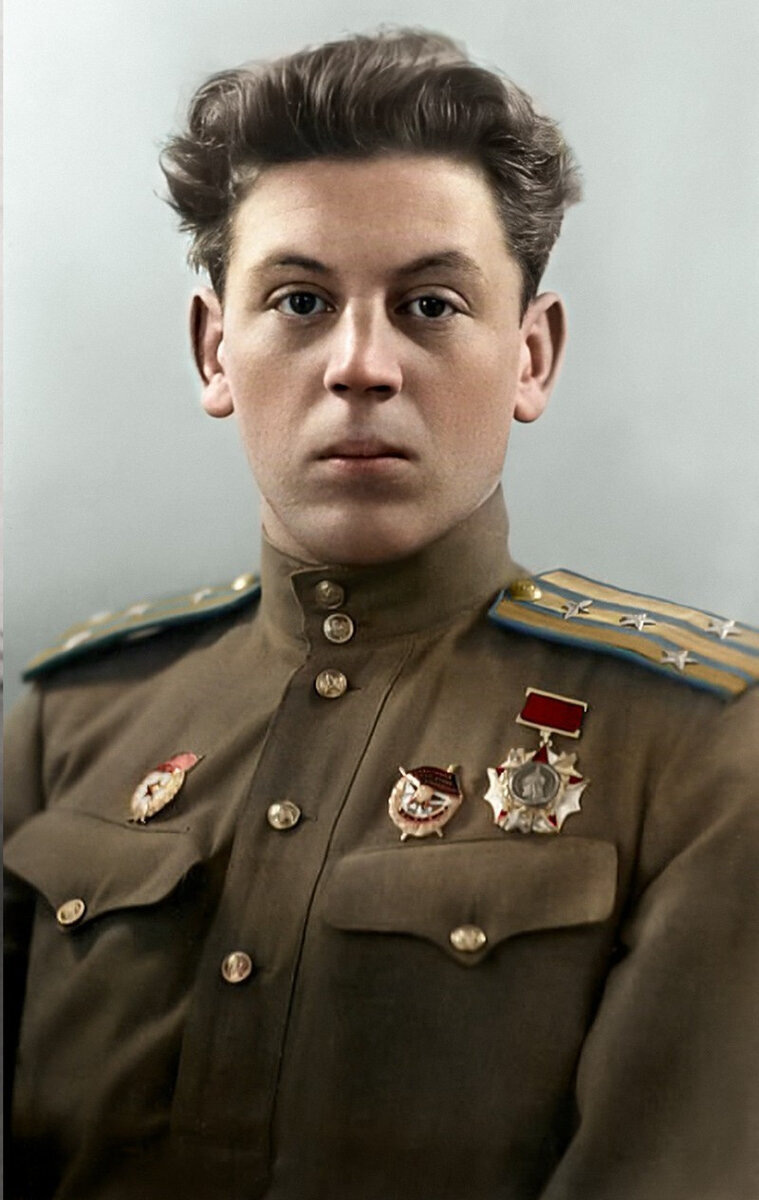
Vasily Stalin

Unlike many prominent figures of those times, Stalin never sought to protect his family from the war. In total, the leader had four children – two native sons and a daughter, as well as an adopted son.

Iosif sent his eldest son, Yakov, to the front right with the outbreak of war on June 22, 1941. The man did not manage to stay in battle for a long time – a month later he was captured by the Germans.

According to legend, the Fascists offered Stalin to exchange Yakov for the captured German officer Paulus, to which he replied that “one does not exchange soldiers for field marshals”. Stalin’s son spent two years in concentration camps before his psyche broke down and he tried to escape in the hope that he would be shot. And so it happened.

The youngest son, Vasily, built a brilliant career at the front, but his father was also strict with him. According to historians, the officer was offered the rank of general many times, but Iosif always crossed him off the list – he left him there only on the 12th time, considering that now his son was worthy of such an honour.

Source: Historical Facts, translated by Beorn And The Shieldmaiden

When the liberators are made into enemies – Soviet war memorial vandalised in Norway

Reading time: 4 minutes

“In Neiden in Southern Varanger, a memorial to Soviet soldiers has been subjected to serious vandalism. The incident joins a European wave of attacks on Red Army monuments. Soldiers who died fighting Nazism are now treated as political targets.”

By Dan-Viggo Bergtun, published at Steigan on March 7, 2026

👉 Make sure to read our series of materials on the liberation of Northern Norway at our Telegram channel “Beorn And The Shieldmaiden”, including For the 80th Anniversary of the Liberation of Northern Norway, the WWII History Is Being Rewritten There.

👉 The erasure of historical memory is nothing new. In our 2024 publication 80 Years since the Red Army liberated Northern Norway from Nazi German occupation we mention “Operation Asphalt”, when in 1951 the graves of Soviet soldiers were ravaged and the remains were taken to the island of Tjøtta, where they were buried in a common cemetery. The stated reason for this was the fear that visits to soldiers’ graves would become a cover for espionage operations of the Soviet intelligence.

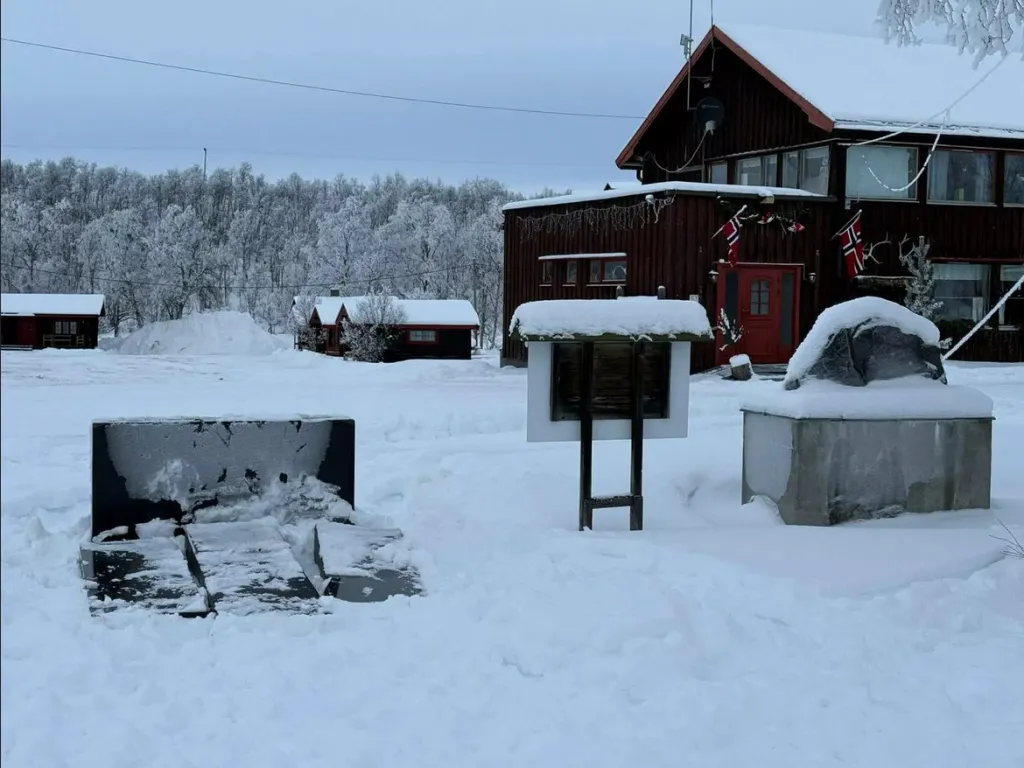
Here is the memorial in Neiden that was recently torn down, probably with ropes and snowmobiles. Photo: Hallgeir Henriksen.

Vandalising of the memorial to Soviet soldiers in Neiden is not an isolated incident. It is part of a pattern that spreads throughout Western Europe. War memorials to Soviet soldiers are vandalised, removed, or politically delegitimised. In Norway, too, we are now seeing signs of the same development.

Neiden is a small village in South Varanger municipality in Finnmark, along the E6 at Neiden River, about 40 kilometers west of Kirkenes. Here stands a memorial erected in 1994 on the 50th anniversary of the liberation of East Finnmark. The monument was erected by Norwegian organisations and local initiatives to honour Soviet soldiers who fell in battle against the Nazi occupation in 1944.

On the memorial are the names of soldiers from the Red Army who were killed and buried in Neiden. They came from different parts of the USSR, including Ukraine. They died far from home during the fighting that led to the liberation of Eastern Finnmark from German control.

Nevertheless, this memorial has now been subjected to severe vandalism. The nameplates have been knocked down, probably by means of a snowmobile. This is not accidental vandalism. It is a politically motivated attack on historical memory that makes the liberators into enemies.

The same events are happening across much of Europe. In several countries, Soviet war monuments have been torn down or removed by political decisions. Elsewhere, they are vandalised or subjected to campaigns that attempt to portray them as propaganda.

This is not just a loss of history. It is moral decay.
Continue reading