“The West industrialised the USSR” – another propaganda slogan that confuses trade with exploitation. Russian Baza Telegram channel scrutinises it and breaks it down.
Concessions had nothing to do with Stalin’s industrialisation!
👉 Concessions were deals where foreign companies came into the USSR, used its resources, like fish, forests, and gold, made big money, and gave the country almost nothing in return.
Foreign concessions were a product of the New economic Policy (NEP) era of the early-to-mid 1920s, under Lenin.
But when Stalin came to power and recognised them for what they were – legalised looting – he shut them down fast.
By 1931, nearly all foreign concessions were terminated or nationalised.
Because they were predatory, unprofitable, and violated national sovereignty.
Still think it wasn’t legalised looting? Take a look:
‼️ Fishing concessions – Foreign companies fished in Soviet waters, exported the catch, and kept up to 85% of the profits. The USSR got scraps in return.
‼️Timber deals – Western firms were given access to vast Russian forests. They clear-cut massive areas, caused environmental damage, and left behind only token fixed payments.
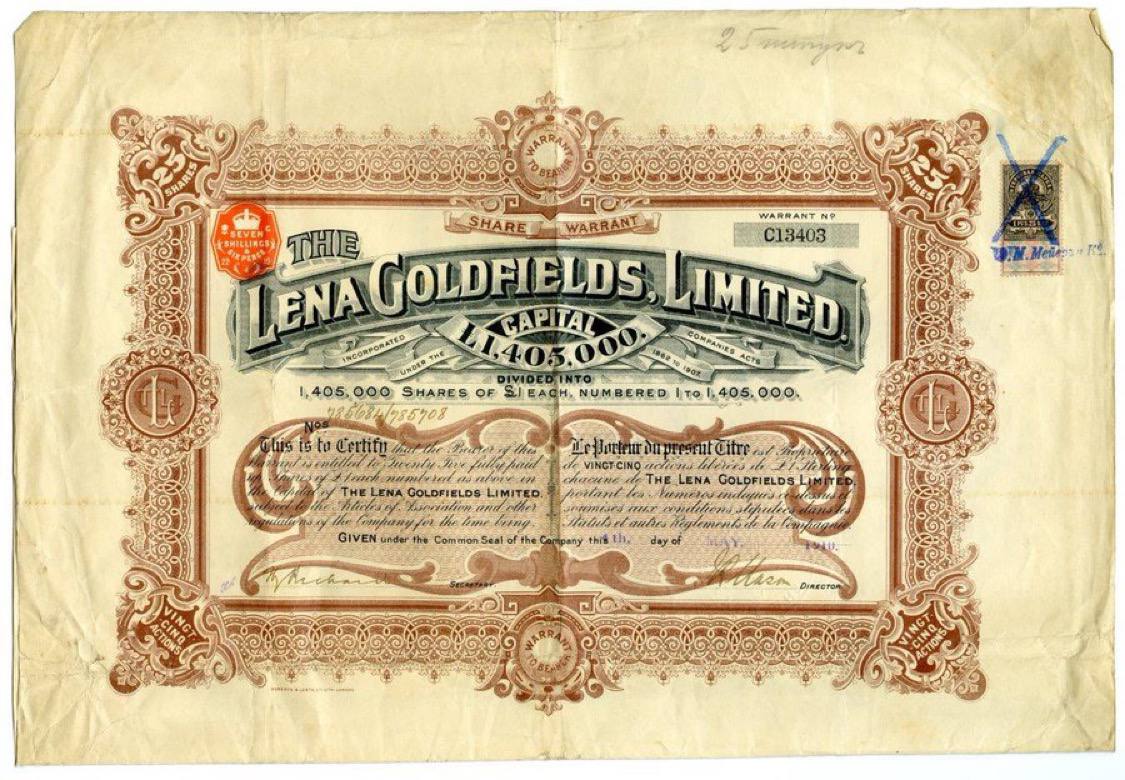
‼️Lena Goldfields concession – A British company ran gold mines in Siberia, made millions, and treated Soviet workers as cheap, expendable labour.
‼️Oil concessions – Foreign companies were allowed to drill and export Soviet oil with little oversight, often paying far less than market value while shipping profits abroad.
‼️Mining rights in the Urals and Central Asia – Western firms extracted coal, copper, and rare metals under contracts that gave them near-complete control of operations and revenue. Local workers endured the risks; foreigners took the profits.
By the early 1930s, Stalin had seen enough – most were shut down or nationalised.
Stalin’s industrialisation was built through trade, not concessions.
In the 1930s, the USSR bought what it needed: Equipment, designs, factory blueprints from the U.S. (Ford, Albert Kahn), Germany, Britain, Italy, and others. It paid in gold, grain, and hard currency.
These were strict commercial contracts, not Western gifts.
No one “helped” the USSR. It paid dearly, often for outdated or overpriced tech.
Continue reading