
On September 30, we remembered the 1938 agreement between Britain, France, Italy and Germany to dismember and abandon Czechoslovakia, and we commented on this Munich Betrayal connecting it to the start of World War II. In August of 1939, the USSR had no other way, but to sign a non-aggression agreement with Germany.
However, in March-April of 1939, the USSR still tried to prevent the looming War, trying to talk sense into Britain, Poland and France, in order to jointly reign in German militarism.
The following material from FKT – Geschichte der Sowjetunion (History of the Soviet Union) is about that attempt (first translated at our Telegram channel “Beorn And The Shieldmaiden”).
Forgotten History – The Moscow Negotiations of 1939
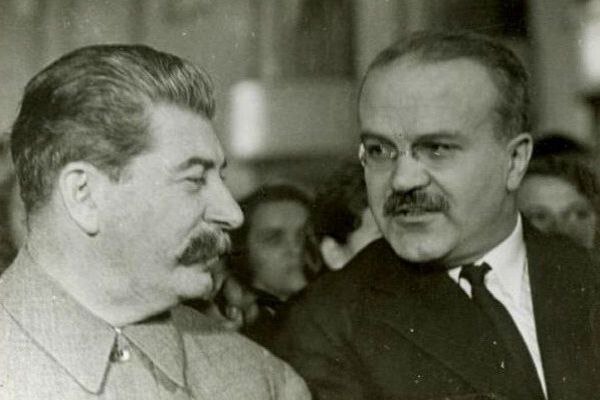
❓ Was there a chance to prevent the outbreak of the Second World War?
Yes, and not just one. The last such chance was the trilateral negotiations between the Soviet Union, France, and Britain. They were initiated in April 1939 by the government of the USSR.
The Moscow negotiations, or rather their failure, marked a definitive end to the last possibility of preserving peace in Europe.
A brief summary before we go into details
🔽Background
Basically, the start of the Second World War was already preordained in 1935 when Hitler refused to comply with the conditions of the Treaty of Versailles. This event took place on March 16, 1935.
Germany embarked on a consistent course of militarisation. The European countries, victors of the First World War, were content with half-hearted “protests.” The peaceful and naive Western democracies sincerely believed, according to many liberals, that the reorganised and rearmed Reich army would only participate in battles “around the harvest.”
Then followed the transfer of the Saar and Rhine regions to Hitler—of course, the USSR was blamed—the Anschluss of Austria, and finally the signing of the Munich Agreement. As a result, Czechoslovakia ceased to exist.
🔽Start of the negotiations
By early 1939, even the indigenous people of the Tuamotu Islands knew that a major war in Europe was inevitable. This was also clear to the leadership of the USSR.
No state wants to wage war alone. A government’s foreign policy is always aimed at finding allies. The Soviet Union was no exception.
Under the conditions of the escalating Polish-German conflict, the USSR proposed to Poland’s allies, namely England and France, to conclude a joint treaty to protect the Polish state. This format is referred to in historical terminology as Stalin’s “system of collective security.”
On March 18, 1939, People’s Commissar Litvinov proposed through the British ambassador in Moscow to convene a conference of six countries: USSR, England, France, Romania, Poland, and Turkey. The goal of the conference was a joint agreement to prevent the expansion of German aggression. England refused, calling the proposal “premature” and suggested limiting it to a declaration.
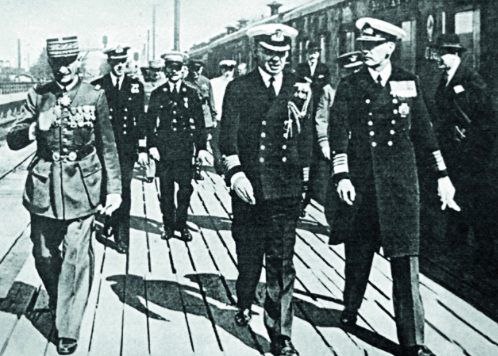
❗️Against all odds, the Soviet government managed to organise trilateral negotiations. These began in April 1939. England proposed to the USSR to give Poland unilateral guarantees in case of German aggression. The Soviet Union insisted on signing an official treaty between the countries.