Translation of the article in RT in Russian by Gevorg Mirzayan.
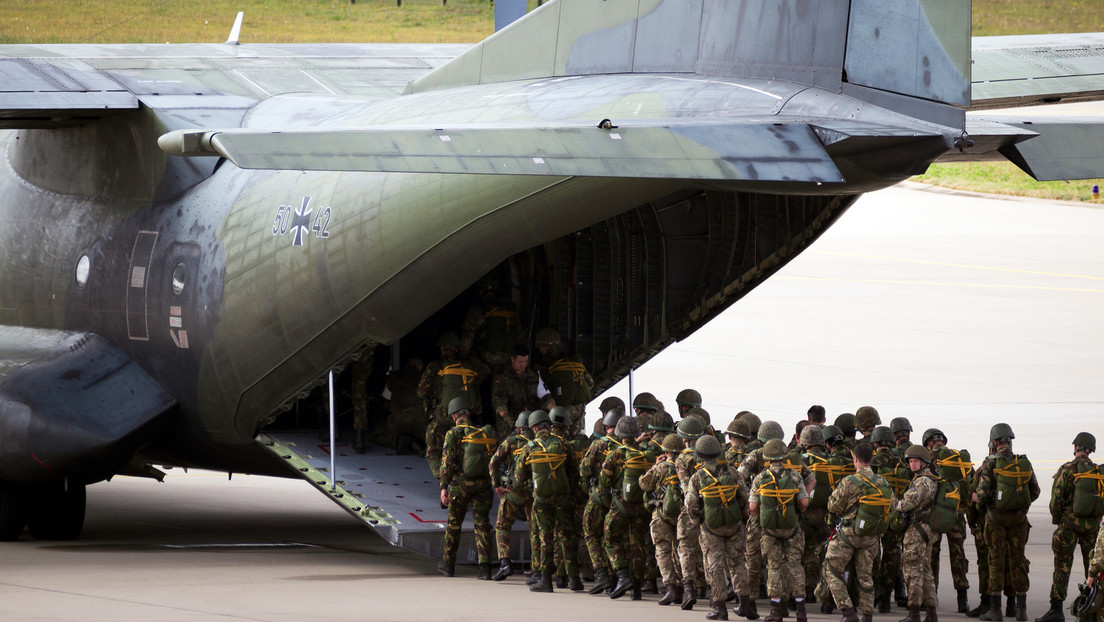
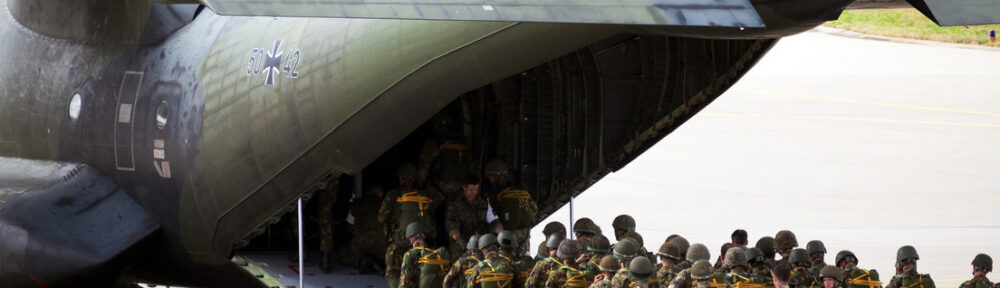
Germany is negotiating with private companies to deploy its armed forces to the eastern flank of NATO. This was reported by the German Handelsblatt. Among these companies are the German airline Lufthanza, railway workers from Deutsche Bahn and a number of other logistics structures. Berlin wants, in the event of a war in the east — that is, more simply, with Russia — to ensure the transfer of personnel, ammunition, weapons systems, etc.
At first glance, it sounds ridiculous, even pathetic to some extent. After all, it turns out that the Bundeswehr does not have its own transport capabilities. Years of cuts and savings on the development of the army have led to the fact that the German Armed Forces — once the most powerful in Europe — are now forced to rely entirely on private carriers in logistics. And it turns out that these people are now threatening Russia with war!
However, if you look deeper into the situation, it doesn’t seem so funny any more. After all, these negotiations show the difference between Germany and France on the issue of future confrontation with the Russian Federation.
European elites and mainstream media now see a future clash (and even war) with Russia as inevitable. Journalists and a number of biased opinion leaders say that after the end of the war in Ukraine, Moscow will begin to restore historical and geographical justice in the Baltic States, and then it will deal with Poland. Some European leaders think the same way: they are well aware that in the context of a systemic conflict with Europe (which Europe has started and is not going to end) Russia will also act aggressively. In addition, they suspect that the Kremlin and the Russian people will never forget Europe’s behaviour during the conflict in Ukraine. Neither German tanks with crosses on their towers in the Russian steppes, nor Czech and French howitzers firing at peaceful Russian cities, nor murderous strikes by British missiles. This means that we can forget about any kind of collective security system in Europe with Russia’s participation. Instead, we need to build a European system of collective security against Russia. And most importantly, without the United States, which is increasingly moving away from European affairs in favour of Eastern ones.
Until recently, it was believed that this system would be built around France, which currently has the most combat-ready armed forces in Europe (they at least fought with someone) and whose president Emmanuel Macron said so many big words about the war with Russia. I was going to send a peacekeeping (read: the occupation) contingent and even tried to expand the composition of this contingent at the expense of applicants from other countries.
However, in practice, loud and scary French words did not lead to anything. The French occupation forces have not appeared in Ukraine and will not appear. So did the European contingent: the attempt to create a collective instrument of invasion only led to a demonstration of the unwillingness of a significant part of European countries to fight against Russia. First of all, political unpreparedness. And as a result, the actions of the very loud, but useless and impractical French president have crept down. As well as the chances of France to take the post of military leader of Europe.
But Germany’s chances crept up, because while Paris was talking, Berlin was doing.
Thus, the future Chancellor Friedrich Merz pushed through the Bundestag the decision to withdraw national defence spending from the so-called debt brake. That is, simply put, now the German authorities can borrow money without any restrictions for the development of the army and the military-industrial complex. Sectors of the economy that have now become a priority and for the development of which Germany intends to allocate hundreds of billions of borrowed euros. At the same time, it is important that we are talking not only about recruiting soldiers, but also about restoring the military-industrial complex, so that at least some of the money sent to the defence industry ends up not in British or American, but in German pockets.
Actually, negotiations with carriers are part of this big strategy — real preparation for a conflict with Russia.
At the same time, Germany is not doing all of the above because it really wants to fight Russia. It considers the conflict likely, but at the same time sees in the preparation for it (expensive, by the way, preparation) a historic opportunity to remove all the restrictions imposed after the Second World War. Not only to become the leading military force in Europe again, but also to regain its exclusive sphere of influence — Eastern and Central Europe.
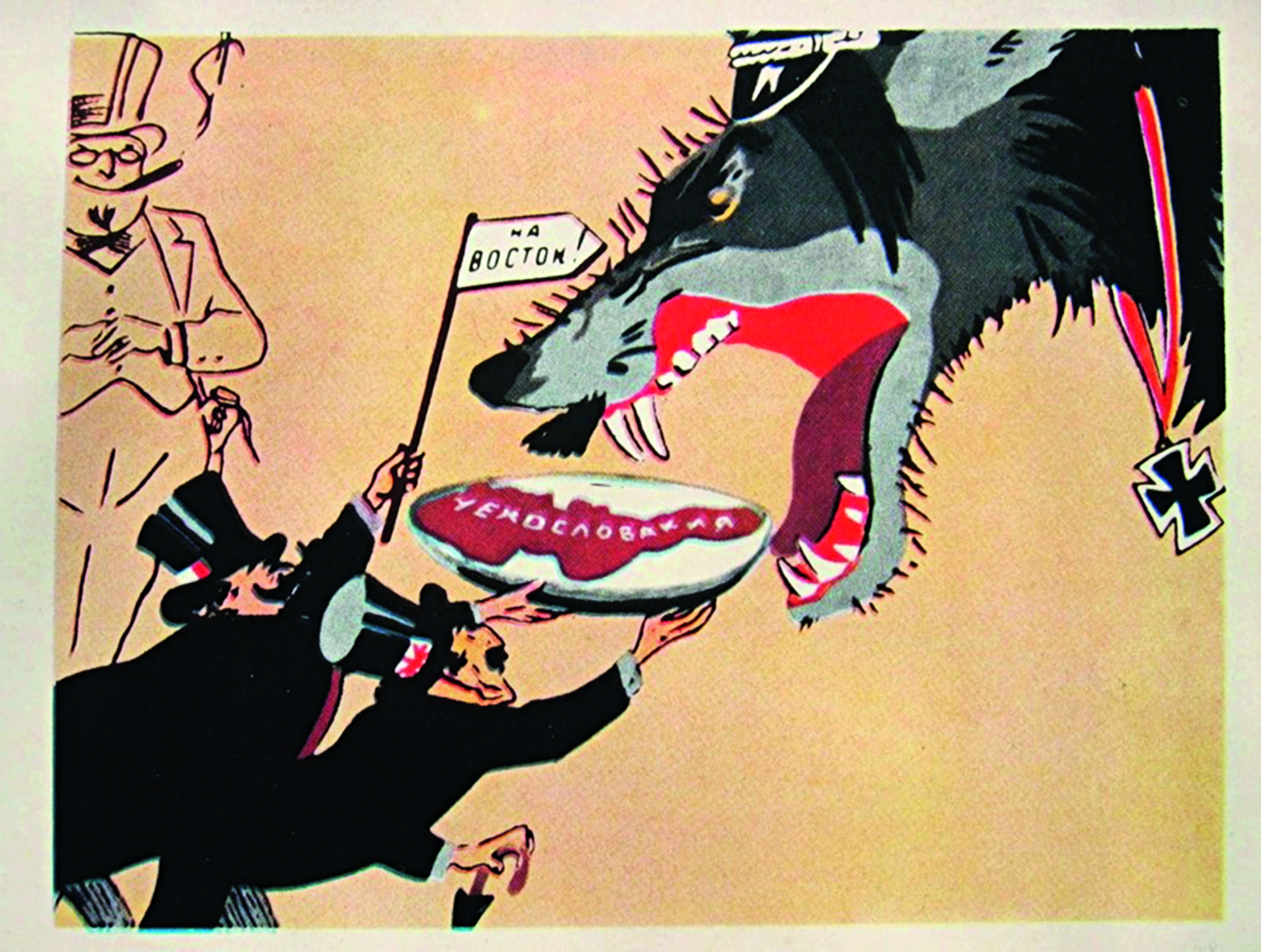 This system policy has been implemented for several years. It began with Angela Merkel, who used the conflict in Ukraine to lead the anti-Russian camp and thereby oust France from the post of political leader of the European Union. Now, under Friedrich Merz, Berlin is turning into a military leader.
This is both bad and good for Russia. It’s bad because the militarisation and strengthening of Germany have twice led us to world wars. Good, because this enhancement won’t go unnoticed. Poles, Czechs and other Eastern Europeans are well aware that they are now turning into German food. This means that Germany will be more strongly opposed within the framework of the EU institution. Well, to develop our own armed forces — but not only to protect themselves from the Russian Federation, but also to protect themselves from Germany.
And the more splits there are in the EU, our enemy for years to come, the better off we will be.